The Story Behind Jennie’s Creation
Tombot’s founder, Tom Stevens, was inspired to create Jennie after his mother was diagnosed with Alzheimer’s disease. She loved dogs but could no longer safely care for one.
That simple yet emotional experience became the foundation for Tombot’s mission of creating safe, comforting robotic companions for people who can no longer have live animals.
Jennie was developed in partnership with healthcare professionals, dementia caregivers, and even Jim Henson’s Creature Shop, the studio behind some of the world’s most lifelike puppetry. This collaboration gave Jennie her realistic appearance, movements, and personality. Her goal is not to replace real pets but to fill an emotional need that traditional therapy tools can’t always reach.
How Jennie Works
Jennie looks and behaves like a golden retriever puppy. She wags her tail, blinks, turns her head, and responds to voice, touch, and movement.
Under her soft, realistic fur are sensors that detect gentle pats and cuddles. Her movements are powered by quiet motors and actuators that mimic natural animal motion.
The design focuses on emotional connection, not just mechanical precision. Every movement is meant to encourage calmness and trust. These are the two things that matter deeply in dementia and memory care.
She can:
- React to touch and petting with lifelike gestures
- Respond to sound and movement in her environment
- Respond to sound and movement in her environment
- Provide comfort through interaction and companionship
Designed to Support Cognitive and Emotional Health
For people living with dementia, loneliness and anxiety are common struggles. A consistent, gentle companion like Jennie can help reduce agitation, promote relaxation, and encourage social engagement.
Caregivers have reported that interacting with Jennie helps patients become more responsive and emotionally balanced. The simple act of petting the robotic puppy can trigger positive emotions and a sense of comfort.
Jennie is also being introduced in:
- Memory care centers, where patients engage more during therapy sessions
- Hospitals and rehabilitation facilities, where stress levels can run high
- Private homes, giving families peace of mind while supporting loved ones
The Funding That Fuels Progress
Tombot’s $6.1 million funding round, led by Caduceus Capital Partners, is a major milestone for the company. The funds will help finalize engineering, scale production, and secure regulatory approvals for distribution.
The company already has a waitlist of more than 16,000 preorders, showing the massive demand for therapeutic robotic companions.
The investment also reflects a broader trend of robotics expanding beyond industry and automation into emotional healthcare and caregiving.
How Jennie Is Different from Other Robots
Unlike robots focused on performance or speed, Jennie was created around human emotion.
Her lifelike behavior isn’t about showing off technology. It’s about providing comfort that feels familiar. She doesn’t talk, clean, or process commands like traditional AI assistants. Instead, she quietly fills a gap of emotional presence that technology often overlooks.
Her realism sets her apart from robotic pets of the past. Jennie doesn’t just react randomly; she’s programmed to mirror how real dogs express warmth and attention.
In this way, she represents a new category of robotics that is emotionally interactive machines that heal through empathy, not efficiency.
The Bigger Picture: Technology That Heals
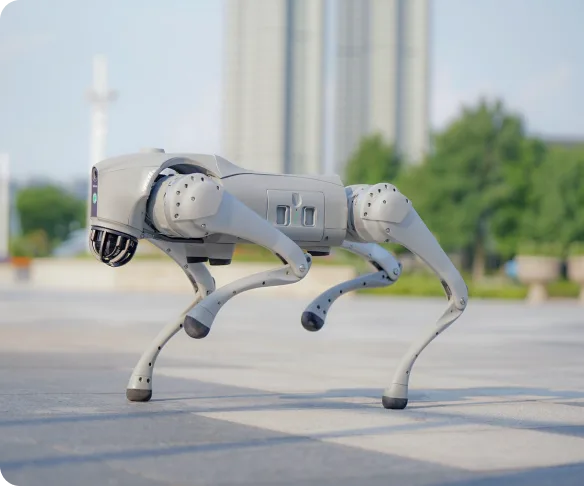
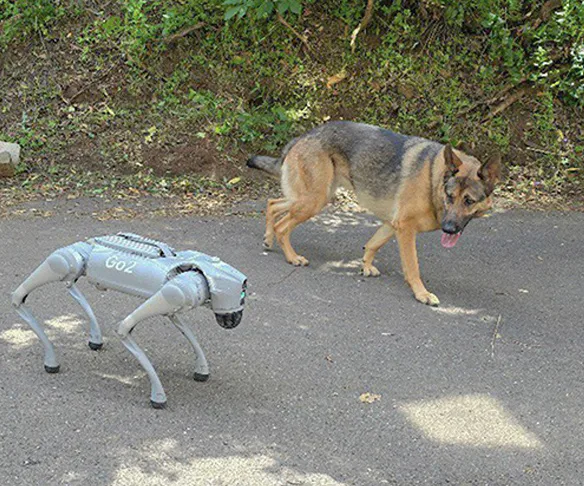
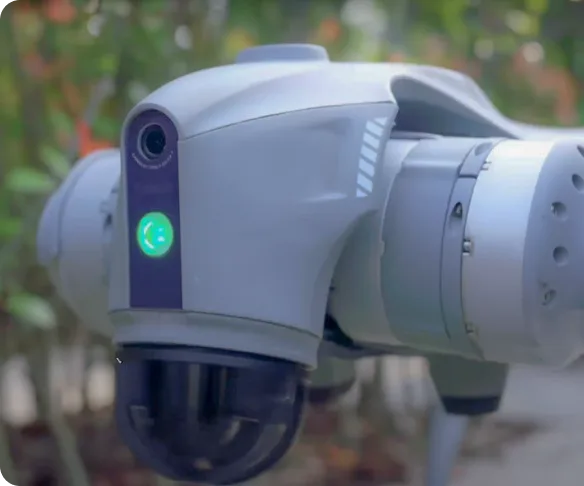
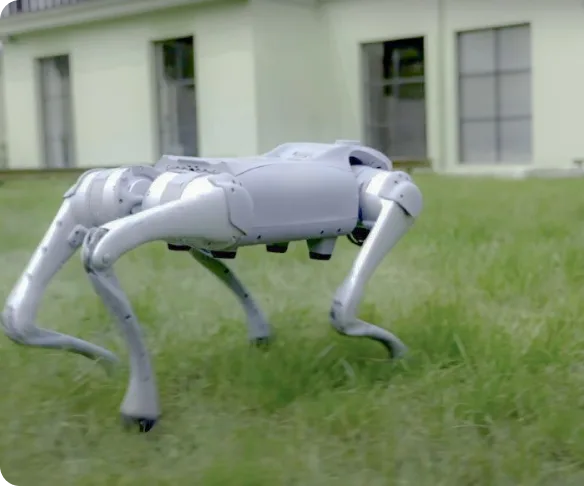
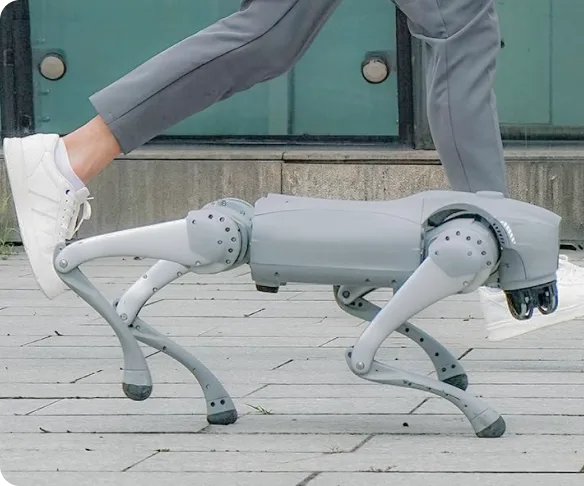
Jennie’s success highlights a growing movement in robotics using AI for mental and emotional well-being. Other innovations, like the Unitree robot dog, show how robotics is advancing in physical ability. But Jennie focuses on emotional intelligence, showing that technology can also nurture, calm, and comfort. As robotics becomes more personal, companies like Toborlife AI are developing systems that merge both physical functionality and emotional connection.
At Toborlife, we focus on designing robots that engage meaningfully with people. Our robots are intuitive, approachable, and adaptable to diverse needs — from therapy and healthcare to education and research.
If you’re exploring ways to bring purposeful robotics into your work or organization, visit toborlife.ai to learn how our solutions are redefining human-robot relationships.
Why Emotional Robotics Is the Future
The demand for emotional support technology is growing fast. Worldwide, over 300 million seniors live with dementia or mild cognitive impairment. Many also experience isolation and depression.
This is where robotics can make a lasting impact.
Emotional robots like Jennie are not replacements for human care. They’re companions that enhance it. They can help reduce caregiver workload, improve patient mood, and make therapy more engaging.
As these technologies evolve, we’ll see them integrated into homes, care centers, and even educational programs focused on empathy and social skills.
That’s where Toborlife AI aims to lead, by making robotics approachable and meaningful for every generation.
The Future of Therapeutic Companions
Jennie’s journey shows how robotics can serve a deeper purpose. With continued research, collaboration, and funding, these robotic companions will only become more realistic and emotionally responsive.
They represent the next evolution in healthcare technology where everyone values connection as much as innovation.
At Toborlife AI, we share that mission. Our goal is to bring forward-thinking robotics to people who value reliability, compassion, and progress.
This is A New Chapter for Emotional Robotics
Tombot’s success and Jennie’s popularity show that robotics has entered a new chapter, one rooted in empathy and accessibility. As robots become more capable and emotionally aware, the lines between technology and therapy will continue to blur. This isn’t just innovation in motion. It’s compassion powered by design. For those ready to explore what’s next, Toborlife AI is making that future available today for you!



Comments are closed for this post.