How Toborlife AI Fits Into This Transition
As interest in robotics grows across the United States, access to reliable platforms becomes increasingly important. Many organizations understand the potential of robotics but lack the infrastructure to evaluate and deploy these systems.
Toborlife AI operates within this gap, providing access to platforms that are already aligned with real-world use cases. Rather than focusing on experimental prototypes, the emphasis is on systems that can be tested, integrated, and adapted to specific operational needs.
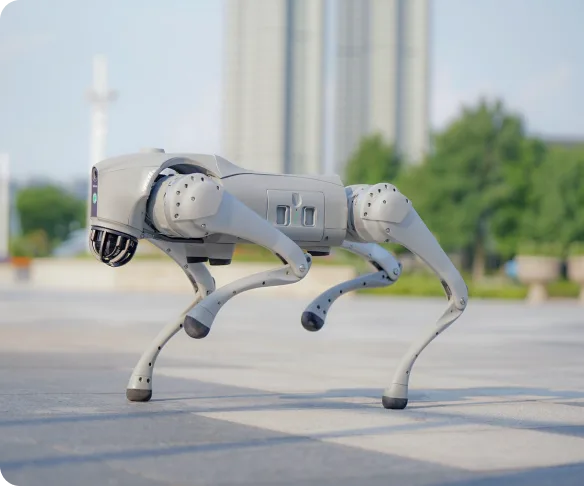
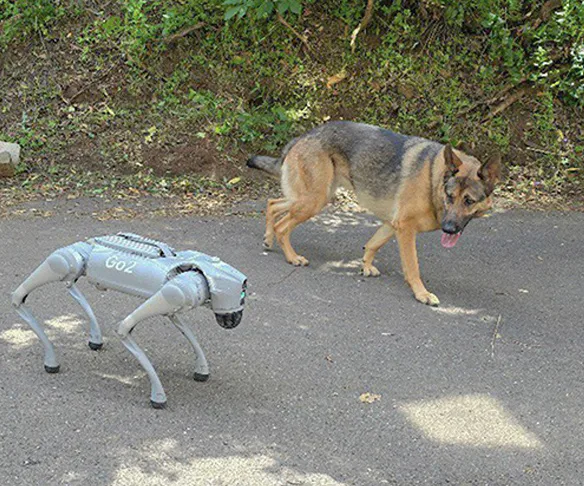
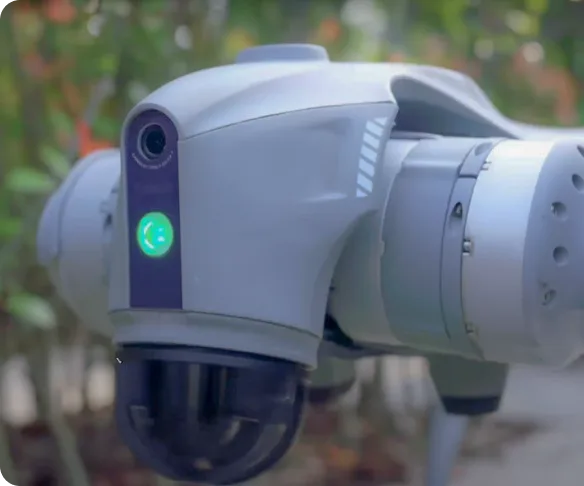
For example, platforms like the Go2 Edu Mid-360 emphasize environmental awareness through wide-angle sensing and continuous monitoring. This type of capability aligns closely with how inspection robots gather and interpret spatial data.
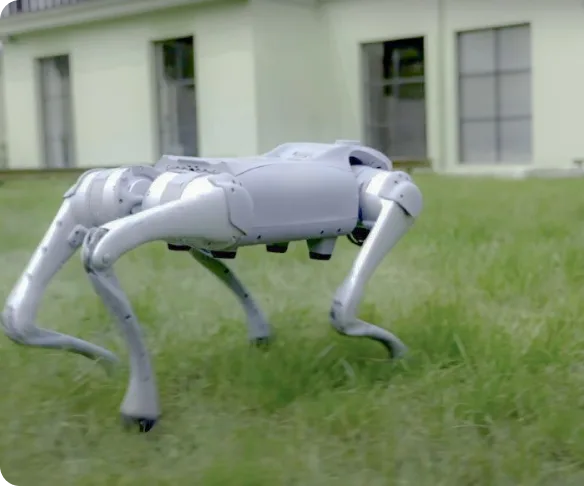
Similarly, the Go2 Edu Plus offers a balance of mobility and perception, making it suitable for applications that require both navigation and situational awareness—key components in the development of autonomous security robots.
Why Security Is Becoming a Data Problem
One of the most significant shifts in security is the transition from human observation to data-driven monitoring. Robots do not simply replace patrols; they generate continuous streams of information.
This data can include:
- movement patterns within a space
- environmental conditions
- anomalies or irregular behavior
Over time, this creates a more comprehensive understanding of how a space functions. Security becomes less about reacting to incidents and more about identifying patterns and preventing issues before they occur.
This is where the role of inspection robots expands beyond maintenance and into broader operational intelligence.
What US Organizations Should Watch Next
The adoption curve for robotics in the United States is still in its early stages, but several trends are becoming clear.
Costs are gradually decreasing as manufacturing scales. AI systems are improving in their ability to interpret real-world data. And public familiarity with robotics is increasing, driven by visible deployments and media coverage.
At the same time, competition among robotics companies is accelerating innovation. As more systems enter the market, organizations will have greater flexibility in choosing platforms that match their needs.
For decision-makers, the key question is not whether to adopt robotics, but when and how to begin.
A Practical Approach to Exploring Robotics
For many organizations, the most effective way to understand robotics is through direct experience. Simulations and theoretical models can only go so far.
Hands-on testing reveals how robots behave in real environments—how they navigate obstacles, respond to changes, and integrate into existing workflows.
This is where platforms like those available through Toborlife AI become relevant. They provide a starting point for experimentation, allowing teams to explore how robotics can support their operations without requiring large-scale commitments.
The Shift Is Already Underway
While political discussions continue, the deployment of robotics across America is quietly accelerating. From campuses to industrial sites, machines are beginning to take on roles that were once entirely human.
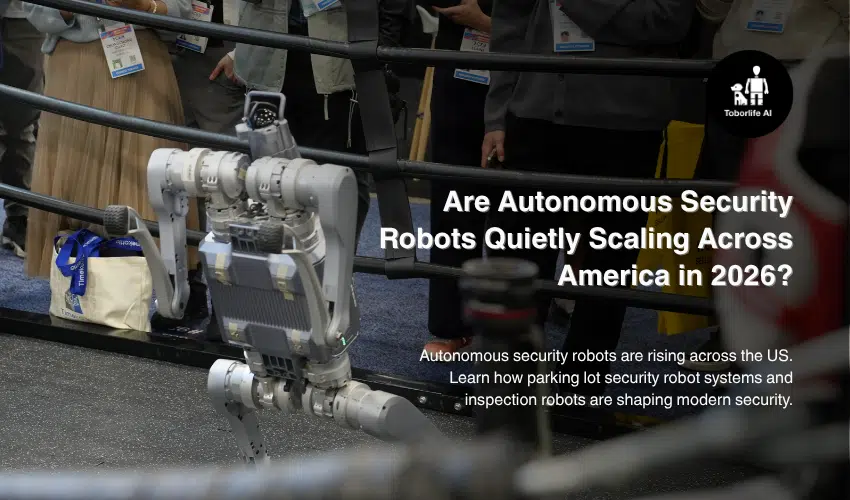
The rise of autonomous security robots, the emergence of the parking lot security robot, and the growing use of inspection robots all point to the same conclusion: robotics is moving from concept to infrastructure.
For organizations willing to explore early, this moment offers an opportunity to shape how these technologies are integrated. The tools are already here. The question is how they will be used.
If you’re considering how robotics might fit into your environment, exploring available platforms through Toborlife AI can offer a grounded starting point—one that connects innovation with real-world application.

Comments are closed for this post.