Japan’s Robotics Push Is Accelerating Fast
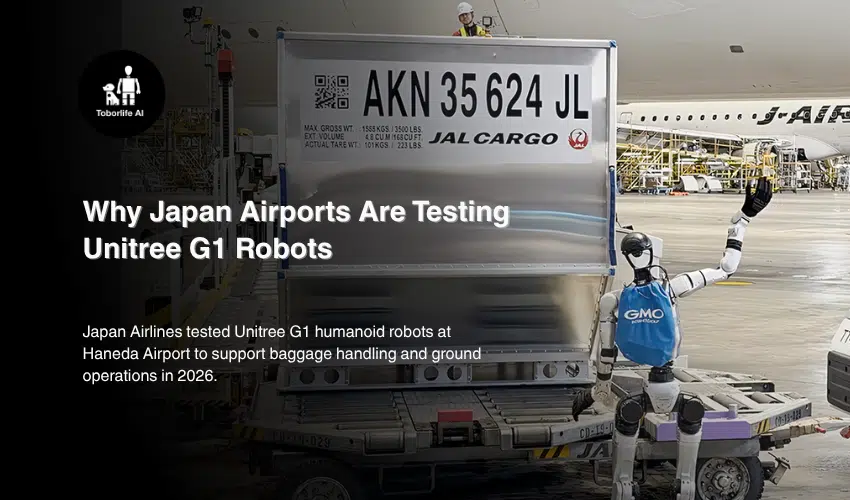
Japan has always maintained a strong robotics culture, but the industry is now moving into a much more deployment-focused phase.
Instead of showcasing robotics inside exhibition halls, companies are pushing humanoid systems directly into operational environments.
That transition changes everything.
The airport pilot reflects a broader industry movement where physical AI is shifting toward:
- Real mobility tasks
- Autonomous coordination
- Public-environment navigation
- Multi-purpose robotics workflows
- Human-robot operational collaboration
The robotics conversation is becoming less about futuristic concepts and more about deployment readiness.
That shift is also influencing how investors and enterprise operators evaluate robotics companies.
The Next Generation of G1 Robots Is Expanding Beyond Research Labs
The airport deployment also highlights how far humanoid systems have evolved in a short time.
Earlier humanoid robotics generations focused heavily on demonstration-style movement. Modern G1 robots are now entering environments that require:
1. Reliable locomotion
Robots must maintain stable movement during long operational cycles.
2. Real-time response systems
Airport environments demand fast motion adjustments and obstacle awareness.
3. Compact robotics architecture
Lighter humanoids can operate more efficiently in crowded environments.
4. Edge AI processing
Onboard processing reduces latency during movement and coordination tasks.
Interest around the g1 humanoid robot category is growing rapidly because these systems are beginning to demonstrate practical value outside robotics research facilities.
That momentum is expected to increase throughout 2026.
Why Robotics Developers Are Watching This Closely
Developers and robotics engineers are paying close attention to the Haneda deployment because it reveals where the industry is heading next.
Several major trends are becoming clear:
- Humanoids are entering public infrastructure
- AI mobility systems are improving rapidly
- Real-world deployment is replacing staged demos
- Human-centered robotics design is becoming commercially viable
- Physical AI is evolving into a scalable industry category
The airport pilot also highlights growing demand for compact humanoid systems that balance mobility, adaptability, and operational efficiency.
Robotics communities are especially interested in how systems like the Unitree G1 handle long-duration operational workloads, movement consistency, and battery management under real conditions. Discussions around topics like unitree g1 battery performance and runtime optimization are becoming increasingly common as deployments scale into commercial environments.
Why Toborlife AI Is Expanding Alongside the Robotics Shift
As humanoid robotics moves deeper into logistics, transportation, and public infrastructure, we are also continuing to expand our robotics lineup at Toborlife AI around emerging mobility systems and next-generation physical AI technologies.
Interest around robotics like the G1 Edu Pro F and G1 Edu Ultimate D is growing rapidly among developers, creators, and educationists exploring real-world AI mobility applications. Discussions around the unitree g1 price are also increasing as more robotics enthusiasts and research teams look for accessible humanoid systems entering commercial and educational environments.
Some of the areas driving that momentum include:
- Advanced humanoid locomotion
- Compact robotics design
- AI-powered mobility systems
- Developer-focused robotics access
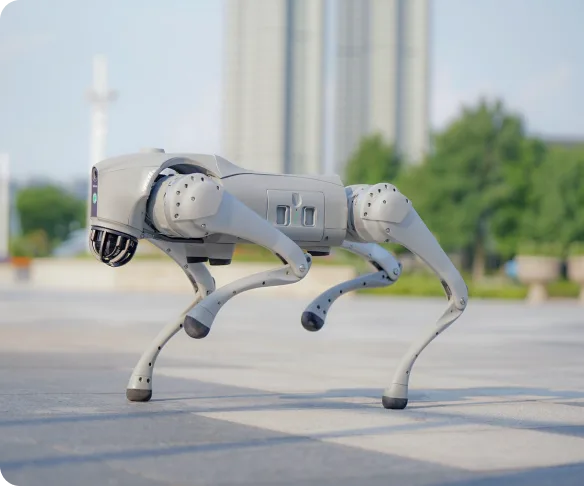
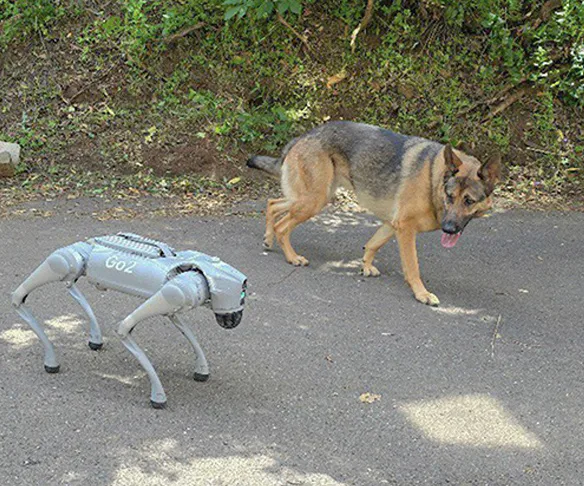
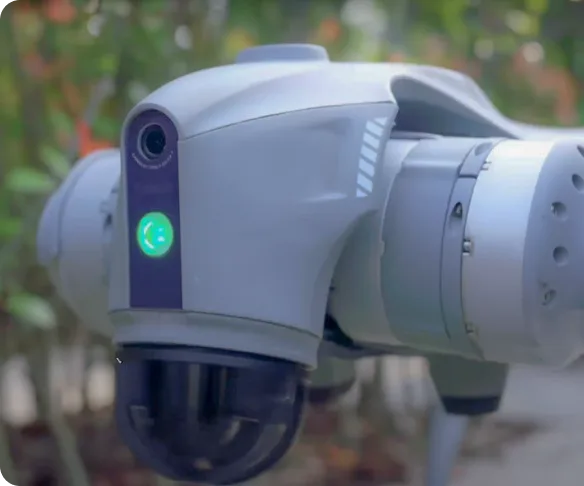
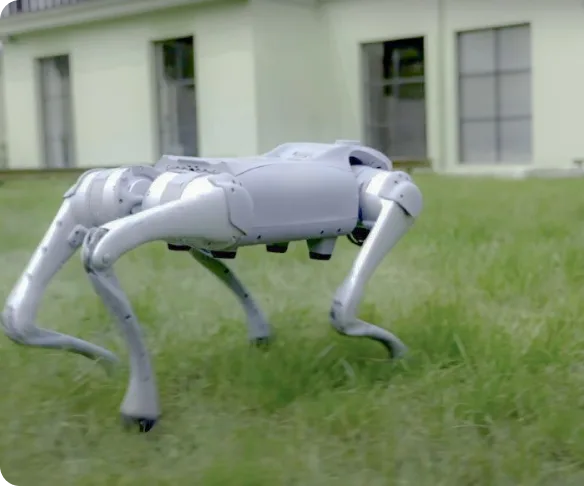
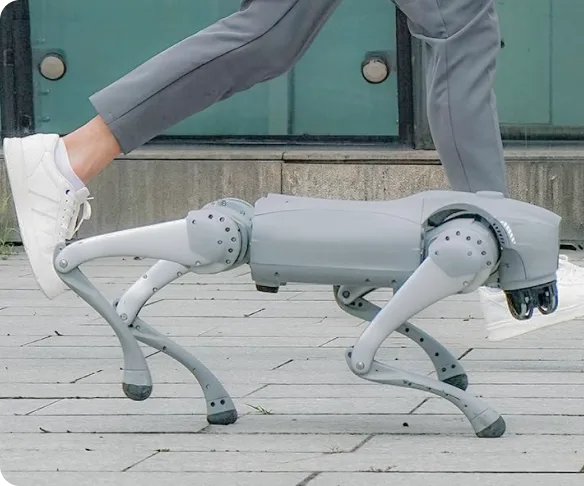
- Expanding humanoid and quadruped robotics ecosystems
As more industries begin testing humanoid deployment at scale, robotics communities are looking more closely at how these systems can integrate into daily operational environments.
Japan’s Airport Pilot Could Shape the Future of Public Robotics
The Haneda Airport rollout may become one of the defining robotics deployments of 2026.
Japan Airlines is not simply testing humanoids for publicity. The company is exploring how robotics can support large-scale infrastructure under real operational pressure.
That shift represents a major milestone for physical AI.
The Unitree G1 showed that compact humanoid robotics can now function in environments that demand coordination, mobility, and adaptability at the same time. As airport automation continues evolving, humanoid systems may soon become a familiar part of transportation hubs worldwide.
The next wave of physical AI is already moving beyond research labs, and we are continuing to expand our robotics ecosystem at Toborlife AI with emerging humanoid robotics, AI mobility systems, and next-generation robotic technologies shaping the future of automation. Interest around where to buy unitree g1 systems is also growing as more industries explore real-world humanoid deployment.
To explore upcoming robotics innovations and future humanoid developments, you can also connect with the Toborlife AI team for the latest updates from the evolving robotics space.

Comments are closed for this post.