How the Condo Robot Trial Works
Yamato’s new delivery system transforms apartment complexes into miniature logistics ecosystems. Here’s how it functions:
- Autonomous route planning: The robot identifies the optimal path from the ground-level hub to specific condo units, adapting in real time to obstacles and pedestrian flow.
- Elevator integration: Using networked access systems, it rides elevators independently: a first for Japan’s commercial robotics logistics.
- Secure package drop-off: Equipped with smart ID verification, it delivers parcels to designated drop boxes or directly to residents upon code authentication.
- Energy-efficient operations: The robot charges automatically during downtime, maintaining continuous operation without human supervision.
The trial’s early success signals a future where mobility robotics handle not only outdoor navigation but complex indoor delivery networks–a challenge once considered too unpredictable for automation.
Why Quadruped Robots Are Winning the Race
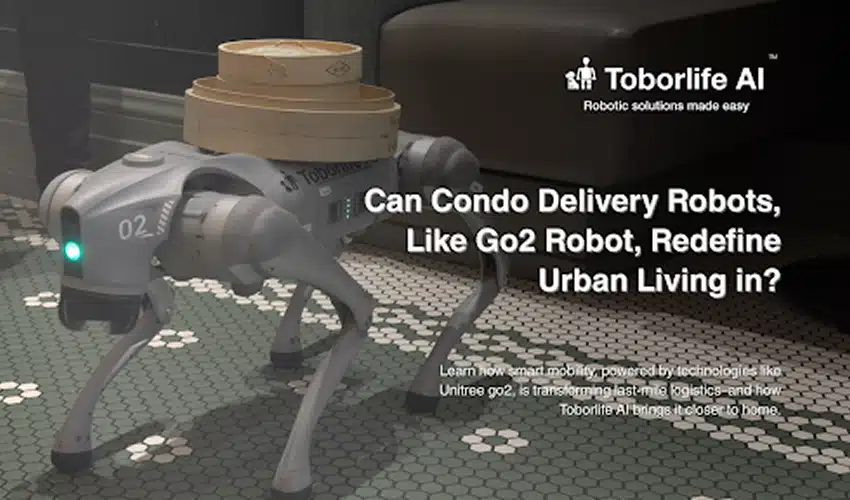
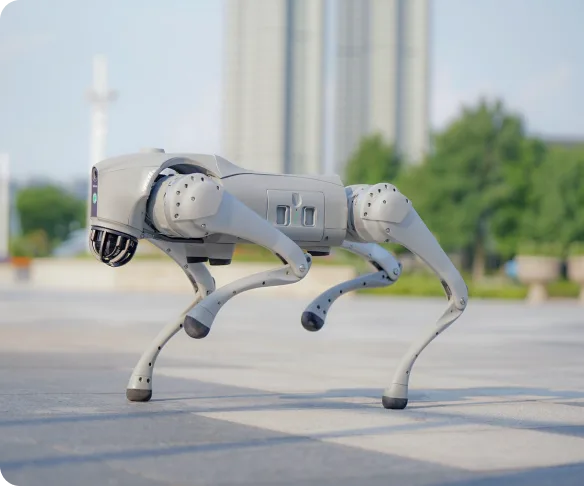
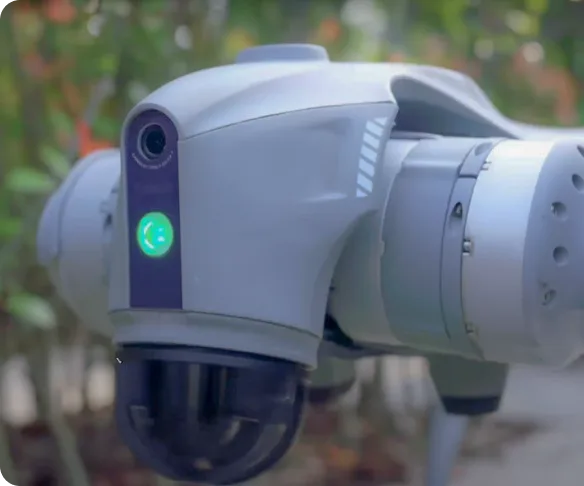
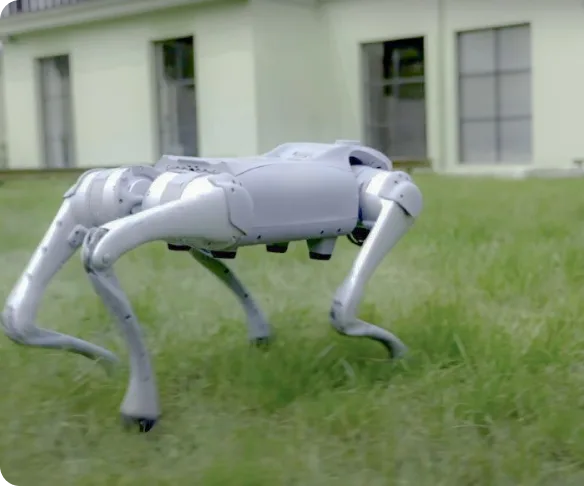
Most of today’s delivery robots rely on wheels. They’re fast on sidewalks but limited when faced with stairs, uneven ground, or architectural variety. The advantage of a quadruped design, like that of the unitree go2 , lies in its ability to move naturally within human environments.
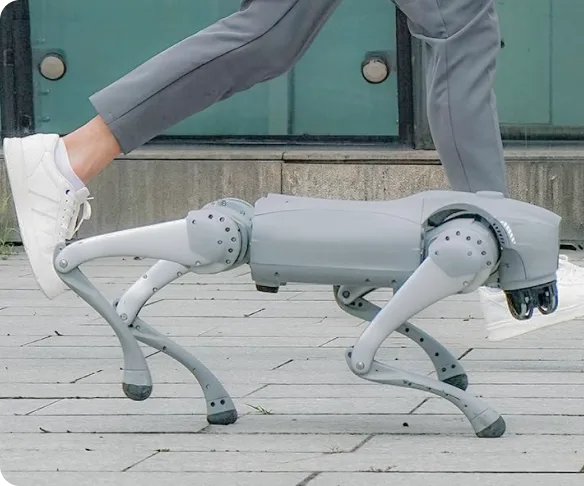
These four-legged robots mimic the flexibility and stability of animals, maintaining balance even on slick floors or tight corners. Their adaptive gait systems, powered by AI and sensors, allow them to:
- Climb stairs and navigate tight indoor spaces
- Avoid obstacles with split-second reflexes
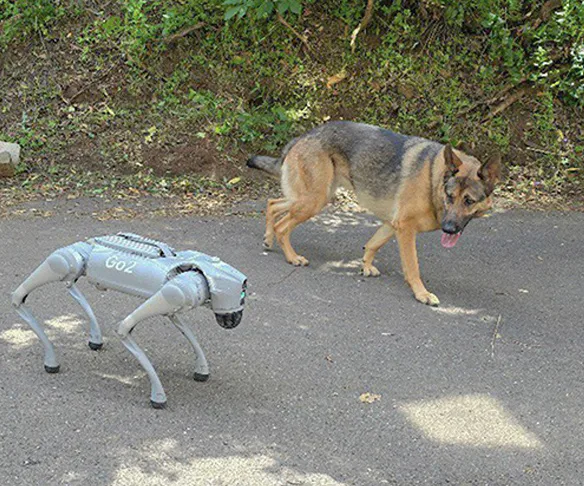
- Operate safely alongside humans
- Deliver with precision in vertical-living environments
By integrating this level of mobility, Yamato’s delivery bots can go places wheeled robots can’t go from high-rise hallways to indoor mailrooms.
The Rise of the “Last 50 Meters” Revolution
The hardest part of delivery logistics isn’t the cross-city transport, it’s the final stretch. Known as the last 50 meters problem, this stage involves complex human environments where automation traditionally fails.
Robots like Yamato’s prototype–modeled after the unitree go2 w –are built to overcome that barrier. Using visual mapping, spatial awareness, and real-time communication with building systems, these robots can complete deliveries autonomously while maintaining safety and precision.
This evolution represents more than just a technological milestone, it’s a cultural shift. As consumers embrace automation in daily life, robotics is moving from warehouses and streets into homes and neighborhoods.
A Glimpse into Japan’s Smart City Vision
Japan’s government and tech industry are aggressively investing in robotics to address the twin challenges of labor shortages and aging populations. Urban delivery is a natural starting point.
The Yamato trial takes place in a “smart condo” environment, buildings pre-equipped with IoT infrastructure. Sensors, automated doors, and integrated building management systems allow robots to sync seamlessly with elevators, lighting, and access points.
The result is a living ecosystem of automation: robots that can not only deliver packages but also monitor energy use, assist elderly residents, and provide building security.
As these systems mature, expect to see more hybrid robots working in tandem, humanoids for customer interaction, drones for outdoor delivery, and quadrupeds like the go2 robot for versatile indoor mobility.
Toborlife AI: Bringing Next-Gen Robotics to Your World
At Toborlife AI, we believe the robotics revolution shouldn’t be confined to tech labs or enterprise facilities, it should be accessible to innovators, educators, and creators everywhere.
Our lineup of advanced quadrupeds, including the unitree go2 and its educational variant, are designed to offer the same cutting-edge mobility and AI learning used in industrial and research applications.
- Adaptive performance: Dynamic balance, terrain adaptability, and autonomous navigation.
- Open programming: Ideal for robotics development, AI learning, and real-world deployment.
- Modular hardware: Customizable sensors and add-ons to fit your use case, whether logistics, education, or exploration.
For universities, businesses, or creators looking to prototype real-world robotics solutions, Toborlife AI offers a powerful platform to experiment with autonomy and movement, the very principles driving Japan’s condo delivery revolution.
Visit Toborlife AI to explore our robots and discover how you can own, customize, and deploy the future of intelligent mobility today.
The Global Race for Autonomous Delivery
While Japan’s trial is among the most advanced, it’s part of a broader global trend. Across the U.S., Europe, and Asia, companies are piloting robots that can deliver meals, medicine, and parcels autonomously.
What makes Yamato’s approach unique is its focus on high-density living spaces, an area of massive opportunity. With more than half of Japan’s population living in apartments, optimizing last-mile delivery could reduce congestion, emissions, and labor strain on human couriers.
It’s a strategy that aligns perfectly with the world’s growing demand for sustainable automation, and it’s one that could soon become a model for urban centers worldwide.
Beyond Delivery: The Future of Urban Robotics
Condo delivery is just the beginning. The technology powering these robots can be applied to countless other areas:
- Facility management: Robots assisting with building inspections and cleaning.
- Security patrols: Quadrupeds monitoring entrances and perimeters autonomously.
- Personal assistance: Robots aiding elderly or disabled residents in everyday tasks.
- Data collection: AI systems mapping buildings for predictive maintenance and energy optimization.
The intersection of robotics and real estate is shaping an entirely new category, smart living robotics, where buildings are no longer static structures but active participants in daily life.
Final Thoughts: The Everyday Future of Robotics
Can robots deliver more than just packages? Yamato’s condo delivery project suggests they can deliver transformation.
By combining AI, robotics, and human-centered design, Japan is creating a world where convenience meets intelligence, and where every hallway could soon become a path for innovation.
At Toborlife AI, we share that vision. Our mission is to make advanced robotics accessible and meaningful, whether you’re a researcher, entrepreneur, or enthusiast. Explore our lineup today and see how the future of delivery, exploration, and automation begins, one step at a time.

Comments are closed for this post.