What’s Wrong with Traditional Robotics?
Most robots are built using high-performance metals, lithium-based batteries, and synthetic polymers. These materials are rarely biodegradable and often difficult to recycle at scale. Manufacturing them typically involves resource-intensive processes that consume large volumes of water and electricity, adding to carbon emissions.
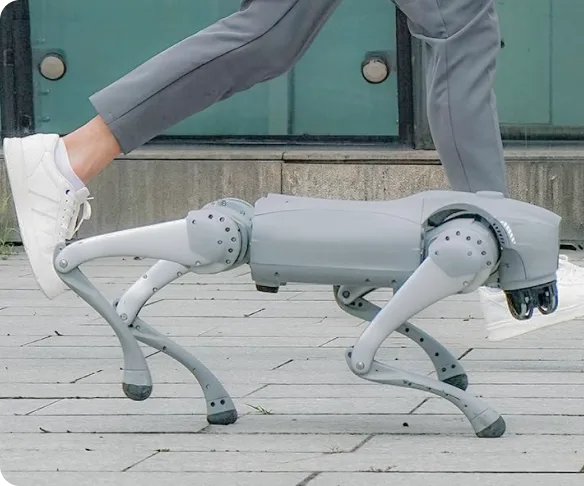
End-of-life management is another critical issue. Many robots are retired without clear plans for part recovery, safe disposal, or reuse. Even popular models like humanoids and quadrupeds are rarely evaluated for lifecycle impact.
The industry has long focused on performance and cost, leaving sustainability overlooked.
In a world with growing pressure around carbon tracking, material ethics, and e-waste regulation, this outdated approach is no longer viable. Sustainable design and lifecycle accountability are quickly becoming industry expectations and not optional upgrades.
What Lifecycle Optimization Brings to the Table
Lifecycle optimization means evaluating the full journey of a robot, from design and raw material sourcing to usage, reuse, and final disposal. And this new study takes it even further.
Using a combination of ANP and ISM, researchers created a prioritization map of sustainability factors. This is the kind of system-level thinking that could reshape the future of robotics.
These aren’t vague ideas but they’re fundamental, actionable drivers like:
- Minimizing use of rare or non-recyclable materials
- Reducing energy demand during operation
- Using modular parts for easier upgrades and recycling
- Designing robots for reuse, not just performance
- Managing e-waste through responsible retirement planning
The Role of AI and Innovative Material Planning
You can’t talk about modern robotics without mentioning AI. But AI also brings potential for sustainability.
Machine learning can:
- Optimize task execution to lower energy use
- Adapt to wear-and-tear, reducing unnecessary part replacements
- Track real-time component health for better recycling
Pair that with modern material planning, and you get robots that are not only smarter but cleaner.
Smarter material planning is just as important.
Engineers are now designing robots with lighter, recyclable materials and fewer toxic components. The Unitree G1 Ultimate is a strong example, integrating efficient battery systems and eco-conscious hardware that lower environmental impact without sacrificing performance.
It’s not just about more power, it’s about sustainable power.
Why Buyers Are Choosing Lifecycle-Optimized Robots in 2025?
This is not just a manufacturing problem.
Buyers across sectors like education, defense, logistics, healthcare, and R&D now face increasing pressure to make responsible tech purchases. When a robot becomes outdated or breaks down, it’s not just a repair bill but there’s also lost uptime, replacement sourcing issues, and potential non-compliance with new sustainability standards.
Lifecycle-optimized robots help reduce these risks. They support easier part replacement, consume less energy during daily operation, and reduce end-of-life waste. They’re often supported by ongoing firmware and hardware upgrade programs as well.
Toborlife AI prioritizes robots built with this mindset.
Our catalog includes models selected for long-term reliability, modularity, and energy-efficient performance that are helping businesses stay future-ready and aligned with sustainability goals.



Comments are closed for this post.