Why “Regret” Shapes Robot Decisions
Robots are excellent at repeating tasks in controlled spaces. But the real world is full of surprises. Humans walk in unexpected directions. Tools get misplaced. Objects fall. If a robot sticks rigidly to its original plan, accidents happen.
The “regret” model allows robots to stop and think. They calculate possible moves and reject any option that could lead to a dangerous outcome. Instead of aiming for 100% efficiency, they aim for balance: get the job done while keeping humans safe.
This shift is important. Robots are no longer just factory machines. They’re moving into hospitals, warehouses, offices, and even homes. A robot that can make safer decisions in real time is more trustworthy and reliable.
How Regret-Based AI is Designed
The team used concepts from game theory. Imagine two players: a robot and a human. Each has goals. Each makes moves. But their moves affect one another.
Traditional robots often assume perfect cooperation. They expect the human will act predictably. That’s rarely true. The new model changes this. It lets robots adapt even when humans behave in unexpected or risky ways.
Instead of trying to win every “game,” the robot looks for strategies that minimize regret. That means choosing paths that it won’t regret later if things don’t go as planned.
From Factory Floors to Everyday Safety
Take in mind the factory example again. The robot is assembling car doors. The human inspector suddenly steps closer to check a detail. A traditional robot might keep moving its heavy parts, creating risk.
A robot using the regret model would notice this. It could pause, shift its workspace, or reroute its task until the human is clear. The job still gets done, but safety is prioritized.
Now apply that to hospitals, airports, or even smart homes. Robots that avoid regret are robots that avoid accidents.
Shaping Safety in Every Sector
The research shows a clear shift in robotics. Safety is no longer just about physical barriers like cages or warning zones. It’s about intelligence.
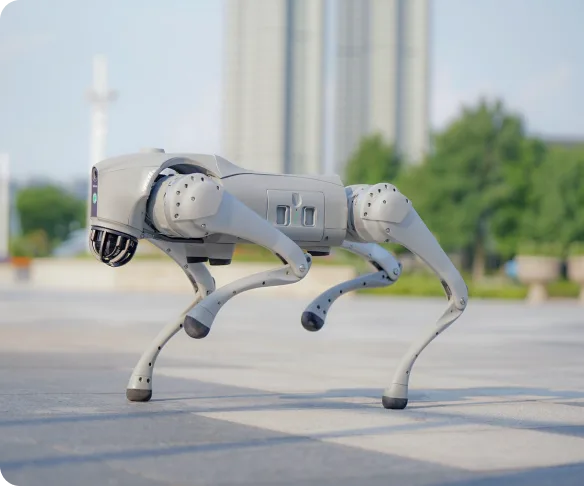
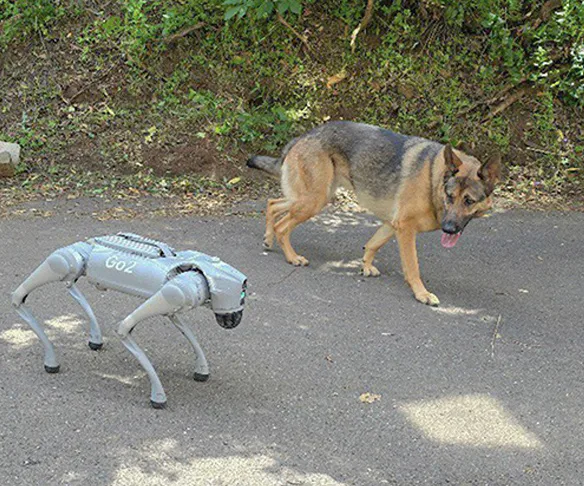
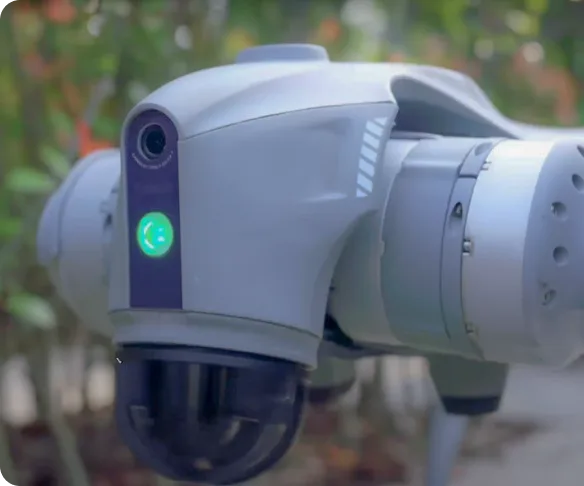
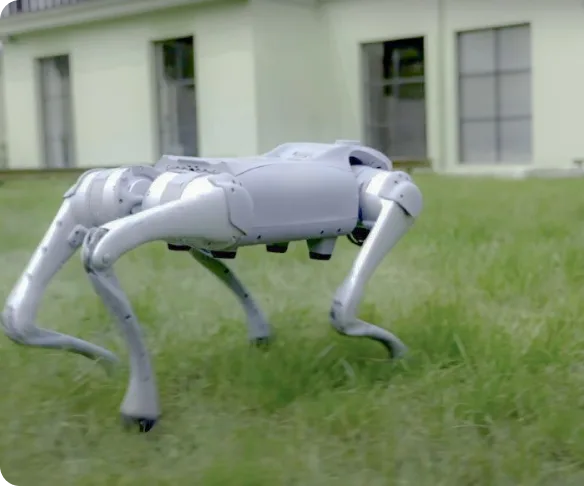
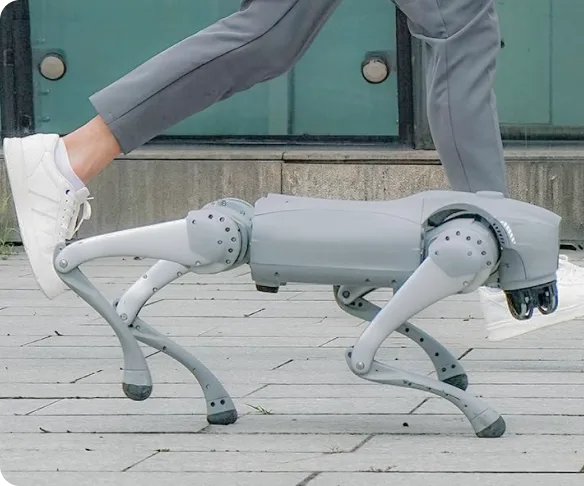
Think about robots used in home security. A robot dog for home security can patrol spaces, detect intruders, and even alert homeowners. With regret-based algorithms, it could also make safer calls about when to approach a person, when to wait, and when to call for backup.
This approach is vital for public trust. No one wants a robot that feels unpredictable. Everyone wants a robot that acts with caution.
Keeping The Human Factor
One of the most interesting parts of the research is how it treats humans. Instead of expecting us to behave perfectly, the robots are designed to adjust to us.
Humans are inconsistent. Sometimes we’re careful. Sometimes we’re distracted. These algorithms allow robots to “think ahead” and manage our unpredictability. That flexibility makes collaboration possible.
Also The Business Impact
Industries everywhere are paying attention. Logistics companies see safer robots that can work side by side with staff. Healthcare facilities see assistants that won’t make harmful mistakes. Smart home developers see AI that can protect families with more care.
For businesses, safer robots mean fewer accidents, less downtime, and more trust from customers. That’s why this research isn’t just academic. It’s practical. It’s shaping the next generation of robotics.
Toborlife AI: Bringing Smarter Robotics Home
At Toborlife AI, we believe the future of robotics isn’t just about speed. It’s about intelligence and trust. Our lineup of AI-powered products reflects this vision. From smart security robots designed to protect your property to adaptive AI companions that make everyday living easier, we focus on tech that balances power with safety.
If you’re curious about how today’s research translates into real products, browse our store at Toborlife AI. You’ll see firsthand how advanced robotics can improve life at home and at work.
Next Steps in Human-Centered AI
So, what’s next? Research like this paves the way for more human-friendly machines. We’re moving toward a world where robots think twice before acting, choosing paths that keep us safe.
That means workplaces that run smoother. Homes that feel more secure. Cities where robotic systems manage risks intelligently.
In 2025, the idea of robots feeling “regret” might sound unusual. But it’s the kind of unusual thinking that makes innovation real.
Final Thoughts
Robotics is changing fast. The question is no longer “Can a robot work alongside humans?” It’s “Can a robot make the right choice when things don’t go as planned?”
This new research suggests the answer is yes. Robots can plan, predict, and avoid regret.
And as companies like Toborlife AI put these ideas into practice, the future looks both smarter and safer.


Comments are closed for this post.