China’s Shift from R&D to Real Deployment
For years, China’s humanoid robotics sector was driven by engineering milestones. Companies focused on refining motion control, improving balance and mobility, and advancing AI-driven perception. These efforts laid the technical foundation, but most activity remained within controlled environments and pilot programs.
That focus is now evolving into execution at scale. The industry is moving beyond core engineering and into practical deployment, where performance is measured in real conditions.
The shift is centered around a few key priorities:
1. Production scalability
Companies are building the capacity to manufacture robots in higher volumes with consistent quality and shorter turnaround times.
2. Industrial deployment
Humanoid robots are being introduced into structured environments like factories and warehouses, where tasks are repetitive and measurable.
3. Cost optimization
Reducing production and component costs is becoming essential to support wider adoption across industries.
This transition is a defining moment. It marks the move from controlled demonstrations to operational use, where reliability, uptime, and efficiency take priority.
Factories, logistics hubs, and service environments are now acting as real-world validation spaces. The objective is straightforward. Deliver consistent performance at scale and prove that humanoid robots can operate as dependable assets in daily operations.
Why a 94% Output Surge Changes Everything
A near doubling of output within a single year reshapes the entire market.
What does this level of growth enable? Let’s find out below!
More units available means faster integration across industries.
Increased production volume drives down per-unit costs over time.
Stronger ecosystem development
More robots in operation generate more data, which improves AI systems.
Competitive pressure globally
Other regions will need to respond to China’s production advantage.
This is how a technology moves from niche to mainstream. Volume changes accessibility.
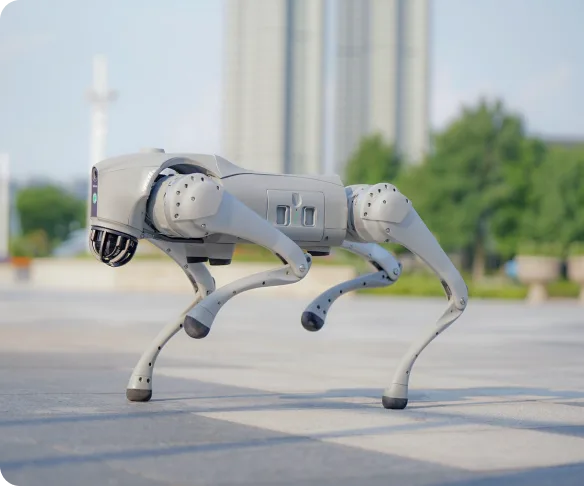
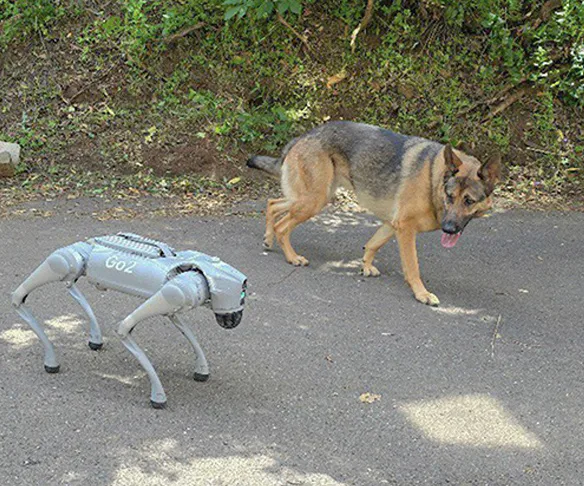
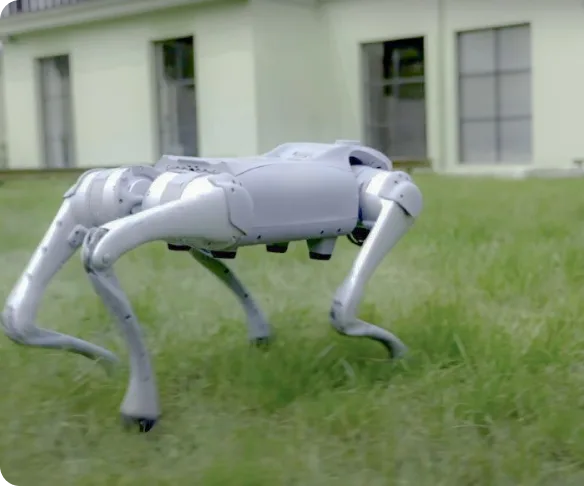
Unitree and AgiBot: The 80% Market Share Play
Capturing nearly 80% of market share is not just about technology. It reflects strong execution across multiple layers.
Key drivers behind this dominance are:
1. Manufacturing efficiency
Both companies are optimizing production pipelines to scale quickly.
2. Focused product strategy
Clear use cases help accelerate adoption.
3. Cost-performance balance
Robots are designed to deliver value without excessive complexity.
The unitree h2 stands out in this context. It represents a balance between mobility, usability, and scalability. This makes it attractive for both developers and businesses.
Understanding Cost Dynamics in 2026
As production scales, pricing becomes a critical factor.
The unitree h2 cost is expected to evolve alongside production efficiency. As more units are manufactured, economies of scale start to apply. Components become cheaper. Assembly becomes faster. Supply chains become more stable.
What influences pricing:
- Component sourcing and availability
- Production volume
- Software integration and updates
- After-sales support and maintenance
The unitree h2 price will likely reflect these dynamics. Early adopters may see higher costs, while later buyers benefit from scale-driven reductions.
For businesses, timing becomes important. Entering early offers a competitive edge. Waiting may reduce costs but could delay operational advantages.



Comments are closed for this post.