What is Human2LocoMan and Why It Matters
The new research centers around Human2LocoMan, which combines immersive teleoperation, large-scale human demonstration data, and a modular learning architecture.
- Humans perform tasks wearing XR headsets and using stereo cameras, while robots replicate those actions through teleoperation.
- A modular transformer architecture (called MXT) helps generalize control and perceptual features from human motions to robot embodiments.
- Crucially, the system allows the robot to succeed in tasks even with objects or environments it hasn’t seen before. So, cleaning up litter with unfamiliar shapes, or pouring soda from a bottle you’ve never used — those become possible.
These are more than charming demos. They show how robot dogs could move into roles that require delicate handling, human-robot interaction, and real reliability.
How the Unitree B2 Could Leverage These Advances
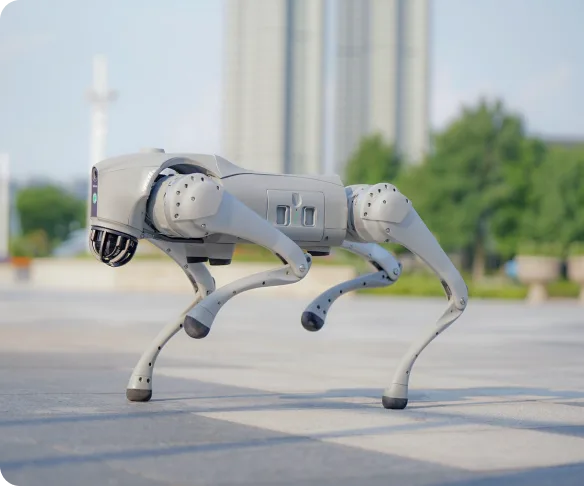
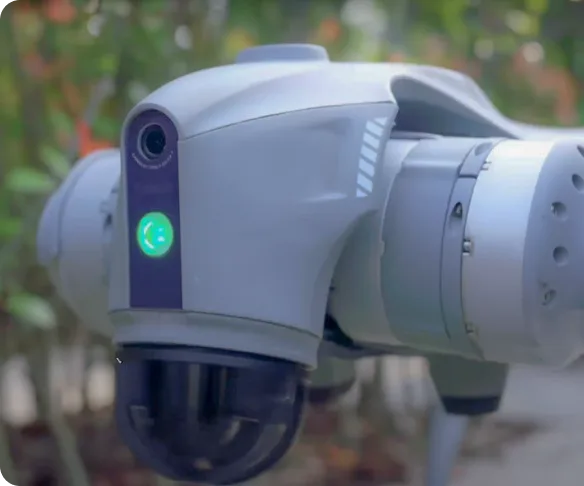
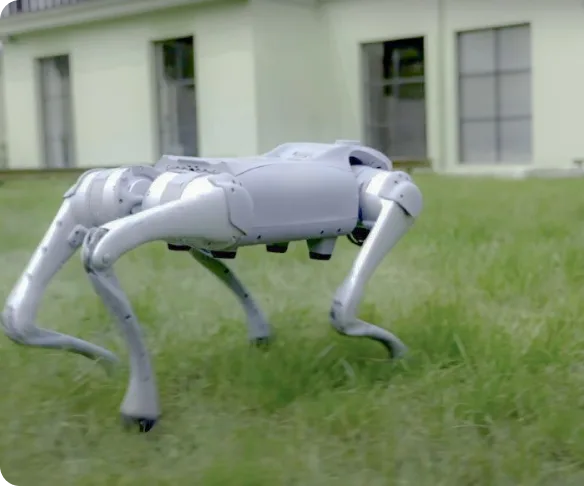
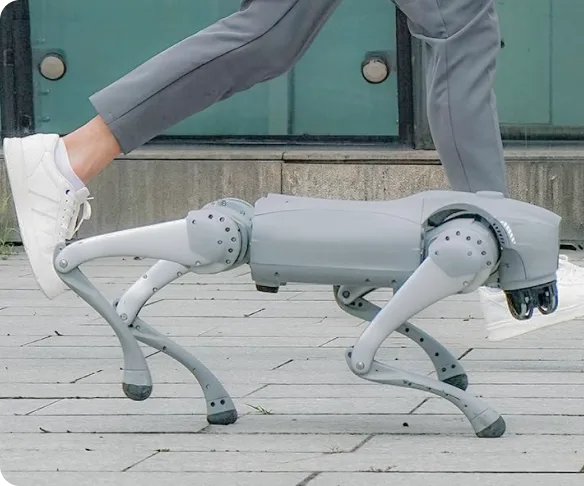
Enter the Unitree B2, a high-performance quadruped robot built for industrial and research uses. Already, the B2 is known for its strong payload, durable structure, advanced sensors, and impressive mobility.
If the capabilities from Human2LocoMan were ported or adapted to the B2, several benefits emerge:
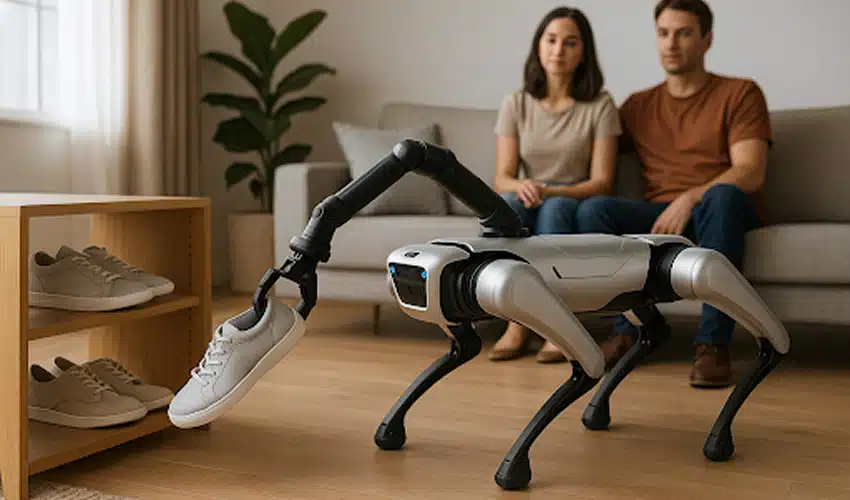
- Versatile Manipulation: With ML-based training, the B2 could learn fine motor skills like shoe sorting or pouring liquids, moving beyond rigid locomotion tasks.
- Enhanced Perception: The object recognition and sensing modules used in the CMU work could improve how the B2 perceives cluttered home spaces, cats, plants, or subtle variations in objects.
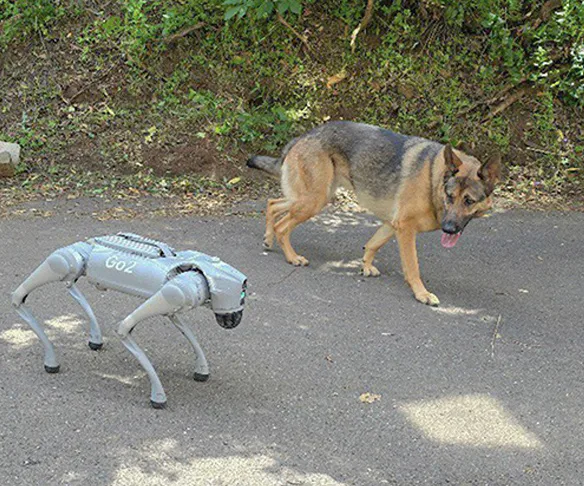
- Robustness in Real Environments: Because Human2LocoMan emphasizes generalization (handling objects or scenes not seen during training), the B2 could operate in more unpredictable settings — homes with pets, children, furniture rearrangements.
In short, if the Unitree B2 incorporated similar frameworks, it could evolve from an industrial-grade machine into a capable home assistant robot dog.
Potential Use Cases in the Everyday Home
What might this look like in practice? Here are some possible ways robot dogs (especially ones like the Unitree B2) could be useful:
- Household chores: Picking up shoes, folding light laundry, fetching simple items from rooms.
- Pet care: Cleaning litter boxes, filling water bowls, or even monitoring pets while owners are out.
- Elderly assistance: Helping people with mobility issues by retrieving small items, bringing drinks, or helping tidy surroundings for safety.
- Smart home integration: Combining with voice commands or home sensors to perform tasks automatically (e.g., “Robot, please clean my litter now”).
These aren’t just conveniences — for many, they could significantly improve quality of life.
Challenges Still to Overcome
However, several significant challenges remain before such robot dogs become common household helpers:
- Manipulation hardware: While ML frameworks like Human2LocoMan improve software, physical robot hands or grippers must be precise, safe, and durable. Many quadrupeds are not yet equipped with manipulation arms with human-level dexterity.
- Safety and reliability: Spills, fragile household objects, pets, children — all add risk. The robot needs to avoid accidents, breakages, or causing messes while trying to help.
- Cost and maintenance: Advanced sensors, batteries, and manipulators add to cost. Frequent maintenance, software updates, and durability over years are concerns.
- Ethical considerations: Privacy (cameras in homes), dependency, and data handling will be important. Users need control and transparency.
Why Toborlife AI Is Watching This Closely
Toborlife AI is committed to offering robots that aren’t just impressive in showroom videos or labs, but useful in real life. When ML frameworks can teach robot dogs to do tasks like brush past demos and into control, that strategy aligns perfectly with what we prioritize:
- Practical utility over pure spectacle.
- Robust design with strong performance in sensing, mobility, and manipulation.
- Reliable safety and user experience, especially for consumer or home environments.
We believe that within the next few years, products inspired by this CMU research (and possibly integrating similar software architectures) will become viable options for households wanting robot assistants. Models like Unitree B2 may lead that wave — because they already have many of the hardware strengths needed for real-world help.
Looking Forward: What to Expect in 2025 and Beyond
As the boundaries between what robots can do and what they should do narrow, 2025 looks to be a pivotal year:
- There will likely be early commercial robot dogs offering limited household tasks: bringing drinks, cleaning simple messes, or aiding light chores.
- Research models will improve generalization: training with more diverse human demonstrations so robots are less brittle.
- Hardware will advance: better manipulators, lighter components, more efficient power systems.
- Standards and safety protocols will become more important, for consumer trust and regulations.
By 2025’s end, it may no longer be remarkable to have a robot dog that helps with clutter or pours a drink — it may be expected in high-end homes.
Final Thoughts: Is Home-Helper Robotics Finally Real?
Could robot dogs really become helpers around the house by 2025? Based on the Human2LocoMan work and the capabilities of robots like Unitree B2, the answer leans toward yes. The gap between demo and domestic is narrowing fast.
If you’re interested in exploring what this future could offer, Toborlife AI is curating robotics platforms that combine strong mobility, capable sensing, and modular software — the kind that can one day be trained to do more than walk: to truly assist.
Keep an eye on research like CMU’s, stay updated on robot hardware like the Unitree B2, and explore what options are available now at Toborlife AI to be part of the next wave of helpful home robots.

Comments are closed for this post.