Dementia Care Is Becoming a Major Robotics Opportunity
Dementia care is no longer a niche use case in robotics. It is quickly becoming one of the strongest growth areas in therapeutic companion technology.
According to Coherent Market Insights, the global therapeutic pet robots market is expected to grow from USD 1.73 billion in 2026 to USD 5.60 billion by 2033, with a projected 18.3% CAGR. Within that market, robotic dogs are expected to hold the largest share at 53.1% in 2026, while dementia and Alzheimer’s disease lead applications at 21.3%.
That tells us something important.
This is no longer just a feel-good concept. It is becoming a serious category with real momentum, real product demand, and clear clinical relevance.
For healthcare providers, senior living operators, and family caregivers, that changes the conversation. Robotic companionship is now being evaluated less like a novelty and more like a meaningful support layer.
The New Value of AI in Emotional Care
What makes this category more interesting in 2026 is not just the robot form. It is the intelligence behind the interaction.
Earlier therapeutic robots could respond in simple ways. They moved when touched or made a sound when activated. That helped, but it was limited.
Now AI and machine learning are starting to push this category forward. Coherent Market Insights highlights AI-driven personalization and adaptive interaction as key trends shaping therapeutic pet robots, especially in healthcare and eldercare settings.
That means the interaction can feel more responsive, more consistent, and more emotionally relevant over time.
And in dementia care, that is exactly where the value starts to increase.
What “Silicon Comfort” Actually Looks Like in a Care Home
Let’s bring this into a real environment.
Imagine a memory care resident who becomes anxious in the late afternoon. Staff are busy. The person is restless and not responding well to redirection.
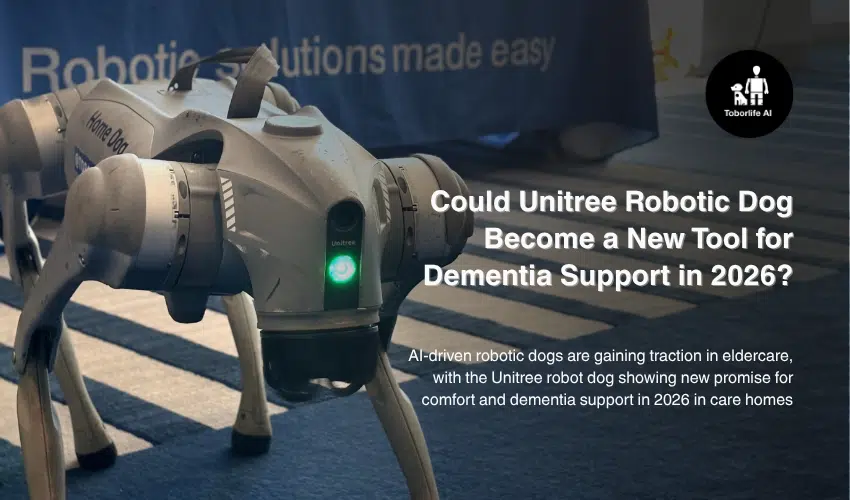
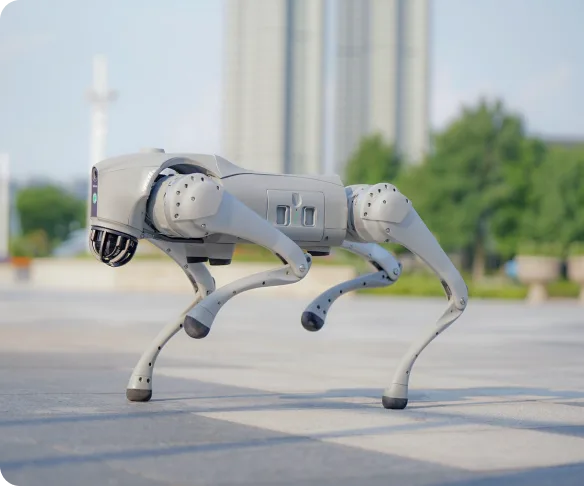
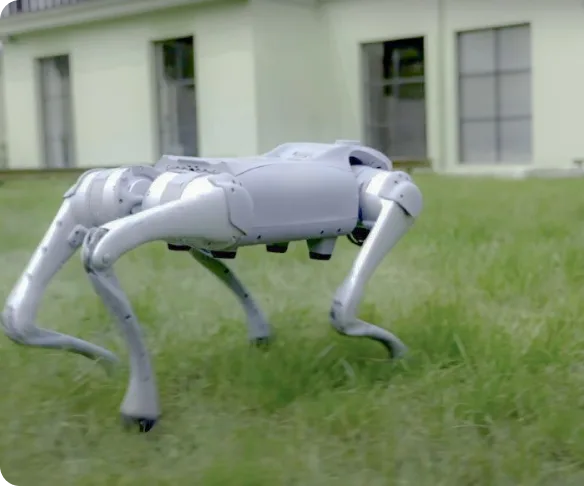
Now imagine a robotic dog companion entering that moment.
It responds to touch. It moves gently. It gives the resident something familiar and emotionally grounding to focus on. That one interaction may help reduce agitation and create a calmer emotional state.
That is where robotic companionship becomes useful in a very practical way.
It is not replacing caregivers. It is adding another layer of support.
Sensor Systems Are Quietly Doing a Lot of the Work
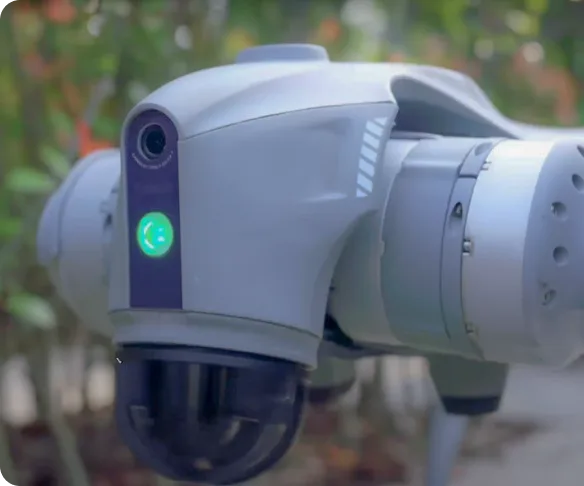
A lot of the effectiveness here comes from sensor design.
The report shows that sensor-based interactive systems are expected to lead the technology segment with a 31.3% share in 2026. These systems use touch, motion, proximity, and sound-based input to create more natural interactions.
That may sound technical, but the result is simple: better responsiveness.
For older adults, that can mean:
- more natural reaction to touch
- better engagement during quiet moments
- more believable companionship cues
Robotic Support Is Becoming Harder to Ignore in Eldercare Now
Care teams today are dealing with real pressure. They are managing rising emotional care needs, staffing shortages, and growing demand for non-drug support tools.
That is one reason this category is gaining momentum.
Coherent Market Insights directly links the market’s growth to rising demand for non-pharmacological interventions and greater awareness around emotional support for aging populations.
That is a major shift.
It means robotic companionship is being taken more seriously as part of a broader care strategy, not just as an experimental add-on.


Comments are closed for this post.