Enter the Wider Market of Robot Dogs
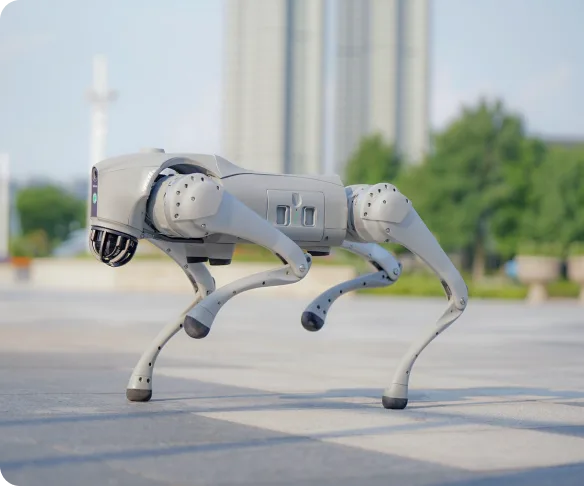
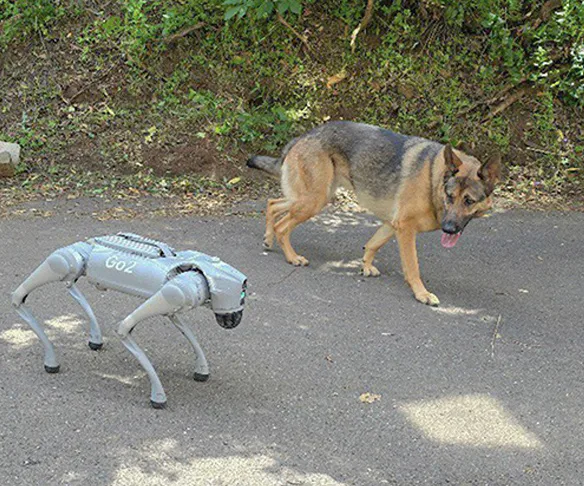
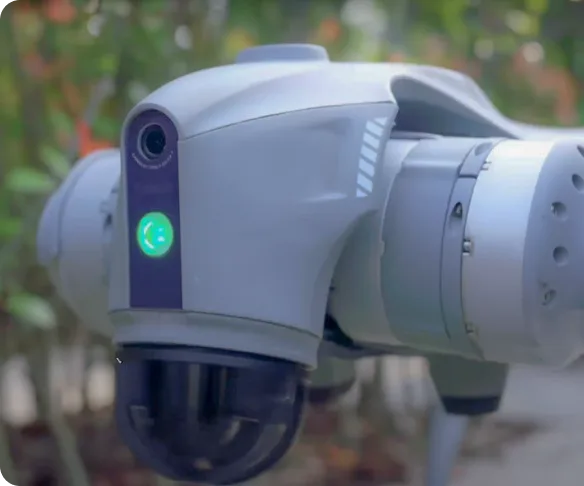
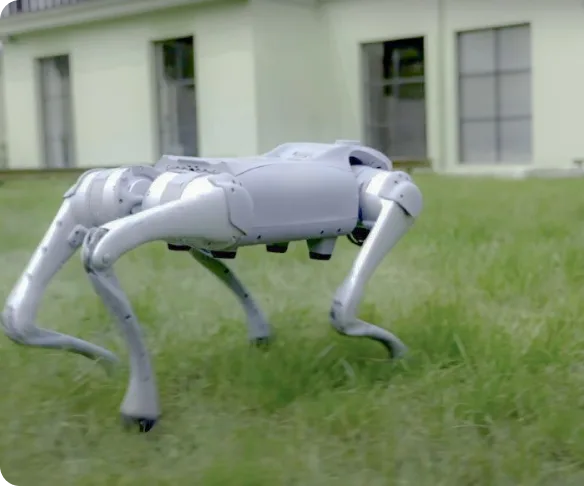
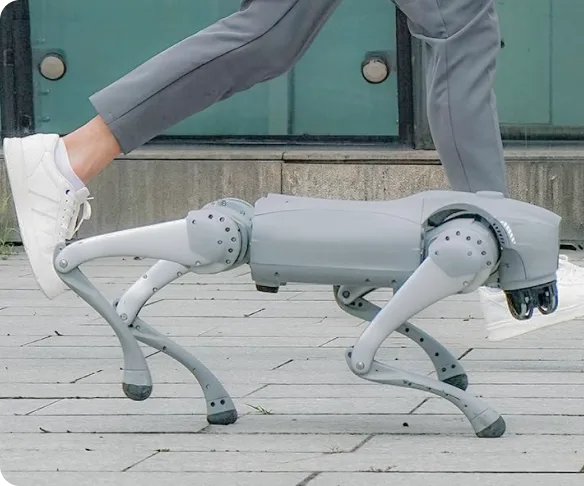
Although Boston Dynamics often leads headlines, it is not the only player in the quadruped robotics space. The Unitree robot dog, for example, has made major strides in creating consumer-accessible models that don’t just impress with tricks but also provide everyday utility. Unitree’s Go2 and other models are designed to be programmable, adaptable, and more affordable than many of their high-profile counterparts.
This competition highlights an important dynamic in the robotics industry. While Boston Dynamics pushes boundaries through demonstrations, Unitree focuses on making quadruped robotics widely available to schools, businesses, and hobbyists. Both approaches are valuable—but for consumers deciding whether to invest, practicality and accessibility may be more persuasive than a flashy viral video.
Beyond Stunts: The Real Applications
The most pressing question is how acrobatics translate into real-world benefits. High agility in a robot dog could allow it to navigate uneven terrain, climb over debris in disaster zones, or avoid obstacles in environments too hazardous for humans. Backflips, while theatrical, showcase the machine’s ability to recover from slips or sudden changes in balance.
Consider emergency response teams: a quadruped capable of rapid adjustments could carry supplies into collapsed buildings or scout dangerous terrain where wheeled robots might fail. Similarly, in industrial environments, agility could mean safer and more reliable performance under unpredictable conditions.
Why Consumers Should Pay Attention
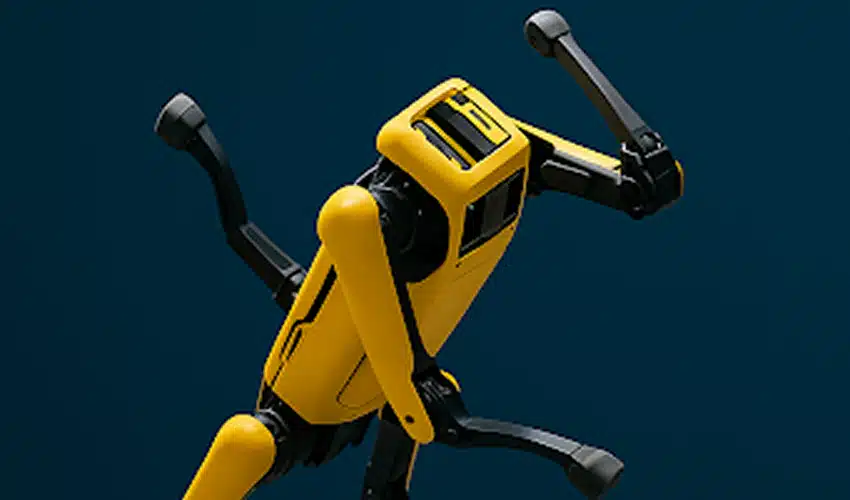
For many, watching a robot perform gymnastics is entertaining, but its relevance may not be immediately clear. However, agility is one of the biggest hurdles in robotics, and demonstrations like Spot’s triple backflip prove that those hurdles are being cleared. The ripple effect will soon reach schools, households, and workplaces.
At Toborlife AI, we see agility as more than a stunt—it’s the foundation of real-world utility. Our curated collection of robot dogs, including models inspired by industry leaders, offer practical benefits for education, security, and entertainment. By investing in these technologies today, consumers can be part of the same wave of innovation that makes triple backflips possible.
The Rise of Accessible Robotics
Boston Dynamics has historically been out of reach for everyday buyers. Spot, for example, comes with a high price tag, placing it mostly in the hands of corporations and research labs. Meanwhile, the Unitree robot dog has carved out a niche by offering models that are far more budget-friendly, while still capable of advanced maneuvers. This accessibility is crucial in making robotics a mainstream reality rather than a distant spectacle.
Schools and universities adopting these platforms are already preparing students for a robotics-driven future. From computer science majors learning to program movement algorithms to engineers fine-tuning mechanical balance, today’s classrooms are tomorrow’s robotics incubators. With wider access, the educational impact of these platforms expands far beyond high-profile demonstrations.
Balancing Innovation and Responsibility
There’s no denying the excitement around backflipping robots. But ethical and practical questions must remain part of the conversation. Should stunts overshadow essential progress in safety, usability, and affordability? As robotics technology integrates into society, companies and consumers alike must prioritize responsible use.
At Toborlife AI, we emphasize this balance. Every robot dog we offer is designed with usability and safety in mind. While we celebrate industry milestones like Spot’s triple backflip, our focus is on how these breakthroughs can empower educators, innovators, and families in meaningful ways.
Looking Toward 2025 and Beyond
The spectacle of a robot executing a triple backflip is a symbolic moment. It shows us that robotics is no longer limited to rigid, utilitarian functions—it is evolving into dynamic systems capable of feats once considered impossible. But the true milestone isn’t the flip itself; it’s what the technology behind it makes possible in everyday life.
Imagine a future where household robot dogs can assist with chores while navigating unpredictable living spaces, or where quadrupeds in schools inspire students to push the boundaries of STEM education. These are the scenarios where innovation meets impact, and where the lessons from today’s acrobatic demonstrations will shape tomorrow’s realities.
Final Thoughts: From Acrobatics to Accessibility
The backflipping Spot may have captured headlines, but the story doesn’t end there. The future of robotics lies in merging agility with usability, spectacle with accessibility. Whether you’re intrigued by Boston Dynamics’ dazzling displays or curious about the affordability of a Unitree robot dog, the message is clear: robotics is advancing at breathtaking speed, and the time to explore its potential is now.
If you’re ready to bring that future into your home, classroom, or business, explore our lineup at Toborlife AI. From cutting-edge humanoids to versatile robot dogs, our products are designed to make innovation both accessible and impactful.

Comments are closed for this post.