Inside Stanford’s CS 123
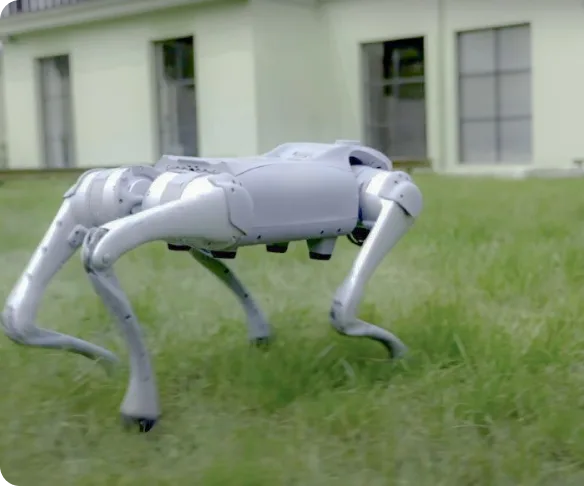
CS 123 is not your typical robotics class. The program combines computer science, mechanical design, and artificial intelligence into one intense but exciting semester. Students start with base kits of Pupper parts like motors, servos, sensors, and 3D-printed components—and learn how to assemble a fully functional quadruped robot.
Each team personalizes its robot. Some upgrade sensors for better navigation. Others tweak code to make their robot walk faster or respond more naturally to obstacles. The end goal is a robot that can move autonomously, using machine learning models that interpret data from cameras and onboard sensors.
By the end of the term, Pupper isn’t just a school project. Rather it’s a complete AI-driven system capable of decision-making and movement coordination.
How the “Pupper” Robot Works
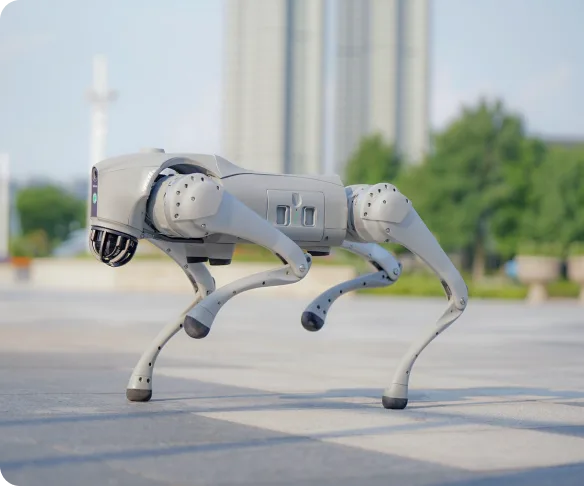
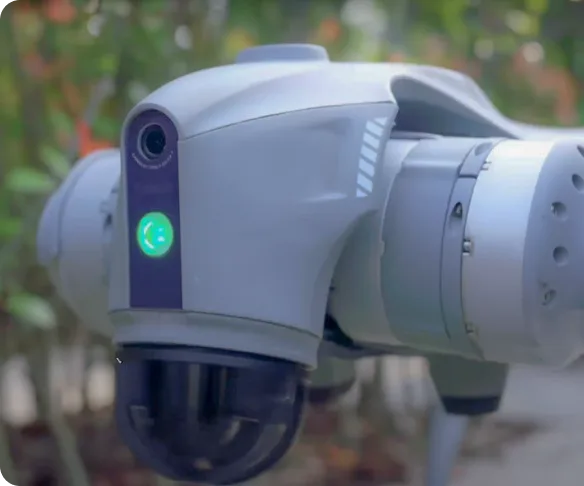
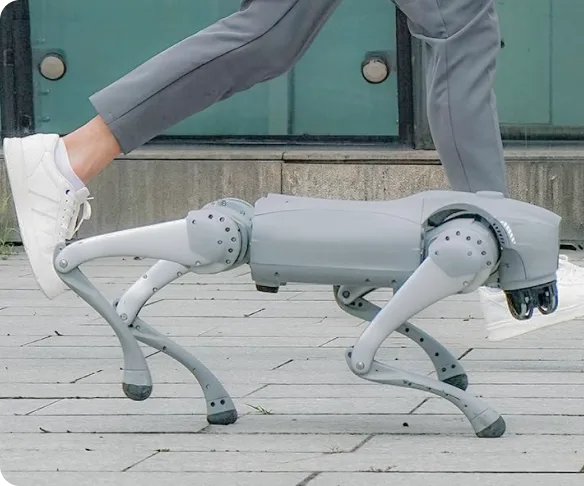
At its core, Pupper operates through a combination of mechanics and machine learning. Each leg uses servo motors that adjust based on balance and surface contact. The onboard computer processes input from visual and motion sensors, allowing the robot to adjust its stride and direction.
The real breakthrough is how the students merge these systems. They teach the robot to “learn” movement through trial and error, improving its stability and navigation over time. That means every step is data that improves performance with every test run.
This kind of real-time feedback is what makes robotics education so powerful. Students are not just writing code but they’re also watching algorithms shape physical motion.
This is A New Kind of Learning Experience
For many students, CS 123 is their first experience in combining artificial intelligence with physical engineering. The project pushes them to think creatively and solve practical problems.
How should the robot distribute weight? How can it recognize an obstacle? How can code control flexible motion?
These questions turn into experiments, tests, and redesigns. Instead of focusing on theory, students experience the cause and effect of every decision. That process builds confidence, not just in coding but in designing systems that work in unpredictable environments.
It’s a lesson that extends beyond the classroom: innovation thrives where creativity meets precision.
Collaboration That Feels Like a Startup
Inside the lab, the energy is similar to a small startup. Students handle everything—hardware setup, AI modeling, software debugging, and motion control. Instructors act as mentors, guiding them through real engineering challenges.
The course also encourages teamwork. Students combine different skills: coders handle algorithms, designers work on 3D parts, and electronics enthusiasts focus on sensors and wiring. Together, they bring Pupper to life.
By the final presentation, each robot moves differently—some walk like confident dogs, others hop or crawl. The diversity of results shows how much freedom and creativity the program allows.
Why Pupper Stands Out
The Pupper robot isn’t just a class project but it’s a platform that bridges advanced research and accessible learning. It’s lightweight, open-source, and adaptable, which means it’s easy to modify and use for different purposes. Students can integrate additional sensors, upgrade software, or test new AI models.
The idea behind Pupper aligns with a bigger goal in education: to make robotics approachable for everyone. By lowering barriers to entry, more students can experience the satisfaction of designing something that walks, balances, and reacts to the world.
From Campus to the Real World
The knowledge gained from building robots like Pupper translates directly into real-world careers. Students learn mechanical engineering, programming, and AI in one go—skills that companies in automation, manufacturing, and robotics research are actively seeking.
But beyond careers, this kind of project teaches how to think critically and work hands-on. Robots like Pupper are not limited to labs; they inspire creativity in everyday learning and innovation.
This model of learning is spreading quickly. Many institutions around the world are starting to adopt similar programs, blending educational robots with computer science courses to make technology more engaging and tangible.
How Toborlife AI Brings Robotics to Everyone
At Toborlife.ai, we share this same vision of learning through building. We create robotics kits that let students, teachers, and enthusiasts explore concepts like autonomy, balance, and real-world problem-solving.
Our programmable robots are built for education, but they don’t feel like toys. They’re designed for true experimentation where learners can modify movement patterns, sensors, and AI behavior to create something unique.
The hands-on experience that Stanford students get with Pupper is what we aim to deliver to every classroom. By shopping on our website, educators can find modular kits that encourage exploration and innovation at every level.
Visit Toborlife.ai to see how our products bring robotics out of textbooks and into real projects that move, learn, and adapt.
The Broader Future of Robotics Education
Projects like CS 123 show that robotics education is shifting toward accessibility and experimentation. Students no longer need expensive labs or specialized degrees to work with advanced systems. The open-source nature of platforms like Pupper allows anyone with curiosity to start building.
That accessibility is exactly what Toborlife AI focuses on: helping young innovators experience robotics without heavy cost or complexity. The same excitement that fills Stanford’s labs can now reach middle schools, coding camps, and home learning spaces worldwide.
Technology with a Human Touch
What’s most inspiring about Pupper is how it connects people with the process of creation. Watching a robot walk for the first time is a moment of discovery, especially when it’s something you built yourself.
That excitement drives innovation. It motivates students to ask deeper questions, build better systems, and understand how technology fits into daily life. It also reinforces a key truth: robotics is not about replacing people; it’s about extending what we can achieve through design and collaboration.
Why Toborlife AI Is Redefining Robotics
As robotics grows across universities and schools, choosing the right platform becomes important. Toborlife AI focuses on reliability, flexibility, and user experience. Our kits are easy to start with yet powerful enough to support advanced coding and AI integration.
They help students build confidence through small wins like understanding a sensor, improving a movement, or testing a new behavior. Over time, that learning compounds into genuine skill development and technical understanding.
Our systems are designed to support every level of learning, from beginners experimenting with motion control to advanced users exploring algorithmic behavior. By choosing Toborlife AI, schools and parents invest in tools that grow with the learner.
A Future Built on Curiosity
The students in Stanford’s CS 123 class are not just building robots. They’re building the foundation for how future engineers will learn. Their work with Pupper proves that curiosity, teamwork, and creativity can bring any concept to life.
And with platforms like Toborlife AI, that same spark can reach more classrooms, inspiring students everywhere to see technology as something they can shape with their own hands.


Comments are closed for this post.