A Historic Runway Moment
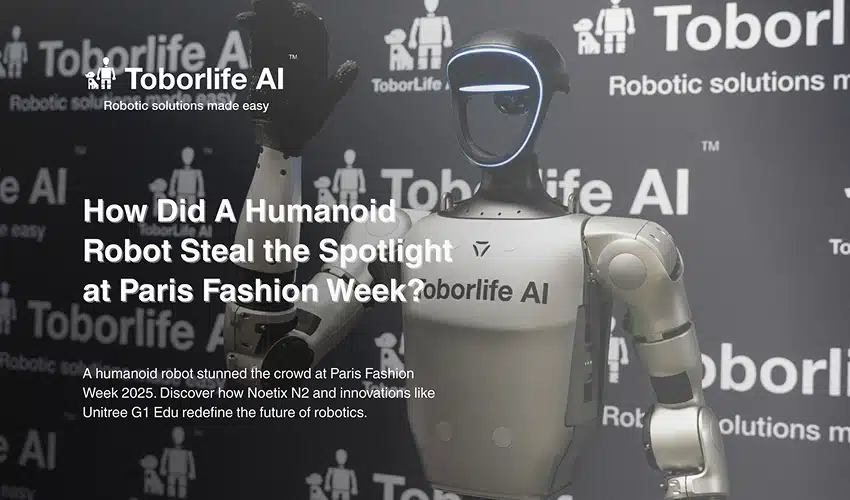
For the first time, Paris Fashion Week welcomed a robotic model as its star attraction. Dressed in vintage couture, N2 walked the runway with measured grace, captivating both fashion insiders and tech enthusiasts.
Originally, the robot was supposed to collaborate with a Chinese designer, but due to funding issues, the show was restructured. Despite that setback, the moment became symbolic as the fashion world met the robotics era head-on.
This wasn’t a simple “gimmick.” The N2 robot embodied a larger message: that creativity, data, and engineering are merging into a single cultural language.
What Makes the N2 Robot Different
The N2 is far from a basic robot display. Created by Noetix Robotics, it’s designed to mimic human movement with astonishing precision. The robot weighs around 30 kilograms and features 18 degrees of freedom, meaning it can move in multiple directions with subtlety and balance.
Its specifications include:
- Dimensions: 118 cm tall and 47 cm wide, similar to a young adult human frame.
- Vision system: Equipped with depth cameras for spatial awareness.
- AI integration: Uses speech and visual recognition for interactive communication.
- Body design: Lightweight and bionic, allowing for dynamic movement and balance.
- Emotional engagement: Designed as a public-facing robot that interacts, responds, and expresses motion to connect with audiences on a human level.
What This Means for the Fashion Industry
Fashion thrives on innovation, and this collaboration between design and robotics opens new creative possibilities. Imagine future shows where robots model wearable technology, assist in production, or even co-design with humans.
This runway debut also highlighted how fashion can be a testing ground for robotic motion and visual data collection. Each performance generates valuable movement patterns and crowd-interaction feedback that can be used to improve humanoid design.
For robotics developers, the event represents more than performance art. It serves as a valuable opportunity to gather real-world movement and interaction data.
The Symbolism Behind the Show
Beyond aesthetics, the appearance of N2 at Paris Fashion Week carried deeper meaning. It demonstrated how humanoid robots can step into cultural spaces once reserved for people, not to replace them, but to expand creative collaboration.
China’s rapid rise in humanoid robotics, backed by a $137 billion government tech fund, has placed the country ahead in developing publicly deployable robots. The presence of N2 in Paris was both a cultural exchange and a technological showcase, underscoring the international momentum toward human-robot integration.
It also reminded audiences that the boundaries between creativity, engineering, and emotion are becoming increasingly flexible.
How Humanoids Like N2 Are Advancing Robotics
The N2 is a research tool for movement, perception, and interactive AI. Each public appearance helps refine algorithms that govern how humanoids walk, perceive depth, and maintain balance.
This mirrors trends seen in educational and industrial robotics, where humanoid models like the Unitree G1 Edu are used to teach programming, control theory, and artificial intelligence.
Here’s what humanoid platforms like N2 and G1 Edu bring to the table:
- Advanced mobility: Realistic gait and body movement for complex environments.
- Vision-language understanding: Ability to connect visual cues with verbal commands.
- Data generation: Collection of real-world movement and interaction data.
- Emotional expression: Basic gestures and movements that mimic human engagement.
- Educational value: Helping students and researchers experiment with robotics safely and affordably.
The Challenges Still Remaining
Despite its impressive debut, N2’s performance also revealed ongoing limitations in humanoid design.
For example:
- The robot could not climb stairs, restricting the show to a single-level stage.
- Movement precision is still limited by mechanical power and data bandwidth.
- Collecting high-quality 3D embodied data remains one of the biggest challenges for robotics developers.
The Bigger Picture: Robots Entering Human Culture
The use of humanoids in creative industries shows how robotics is evolving from industrial utility to cultural participation.
Today’s robots can model clothes, compose music, assist in hospitals, and even teach programming. This shift is driven by AI that can understand context, tone, and aesthetics — not just technical function.
The debut of N2 reflects this new balance between art and engineering. Robots are no longer confined to factories; they’re part of storytelling, design, and emotional experience.
How Toborlife AI Fits Into This Robotic Future
Toborlife AI views these breakthroughs as signs of a future where robotics belongs in every field from education and industry to art and entertainment.
Our humanoid robots are designed to be:
- Adaptable: Ready for use in learning environments and creative settings.
- Affordable: Cost-effective platforms for research, design, and development.
- Interactive: Equipped with visual, audio, and movement-based communication.
- Programmable: Open to customization for robotics labs, schools, or creative teams.
- Durable: Designed for real-world testing and long-term reliability.
Our mission is to make robotics accessible to innovators, artists, and educators who want to experiment with the boundaries of human-machine collaboration.
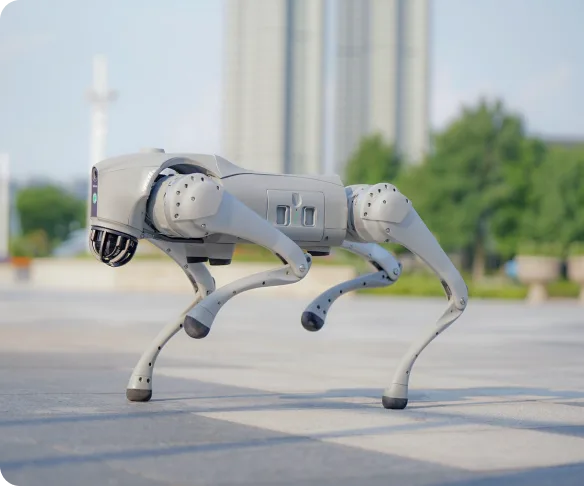
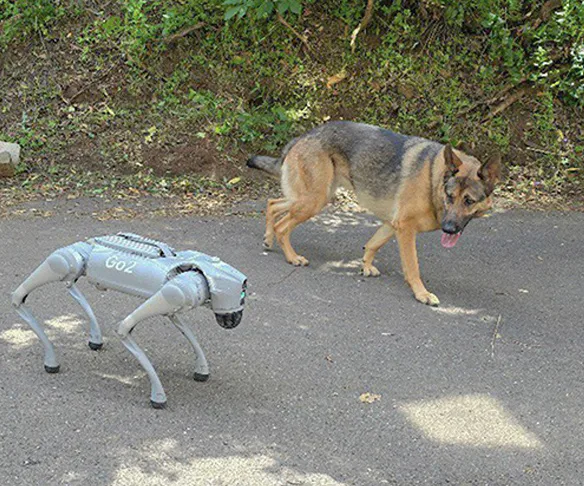
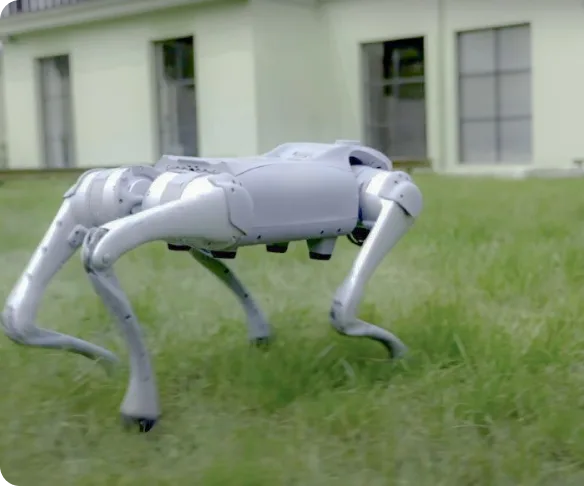
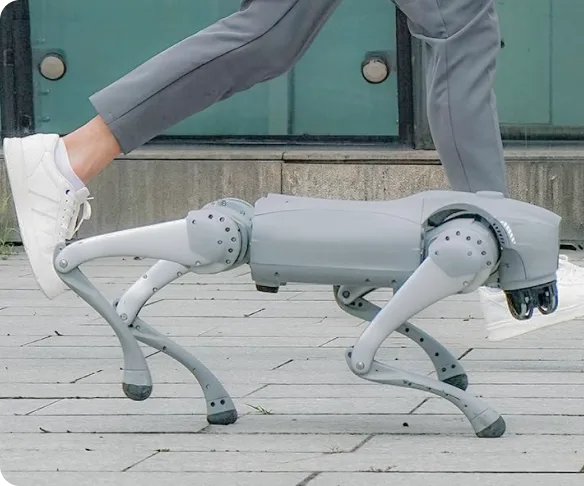
Visit toborlife.ai to explore how our humanoid and quadruped robots can help bring your next idea to life!
What This Means for the Future of Robotics
The N2’s appearance at Paris Fashion Week served as more than a technology showcase. It offered a clear look at the direction robotics is heading.
Soon, humanoid robots will become familiar faces in public spaces. They’ll perform, teach, inspect, and interact in ways that feel natural and collaborative. From fashion runways to classrooms, robots are becoming part of the human experience.
As the technology behind N2 and the Unitree G1 Edu continues to evolve, it’s clear that robotics is no longer replacing humans. But they are redefining connection and creativity.
The future of innovation won’t happen in isolation. It will walk beside us, learn from us, and even share the spotlight! Just like N2 did in Paris.


Comments are closed for this post.