A Construction Helper with Four Legs
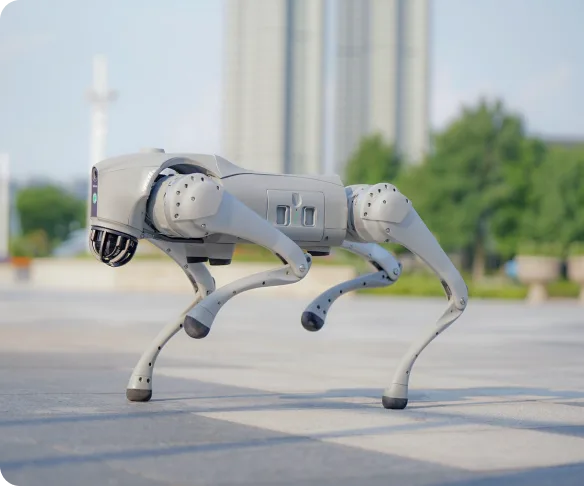
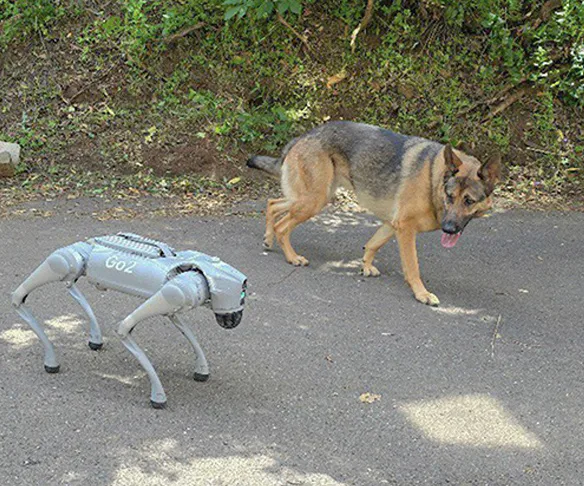
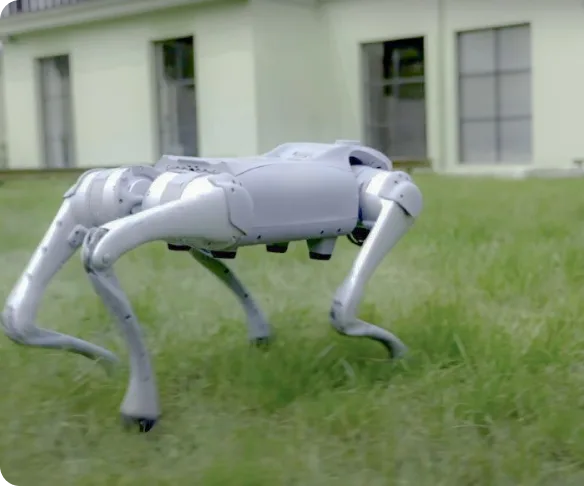
The robot dog in use comes from Unitree Robotics, a known name in quadruped technology. The model used for this study is called the B2, and it’s designed for advanced mobility.
The UW–Madison team didn’t just bring the robot to the site for show. They are analyzing how it moves across rough terrain, climbs stairs, and navigates tight construction areas. Early results show that the dog handles real-world environments surprisingly well.
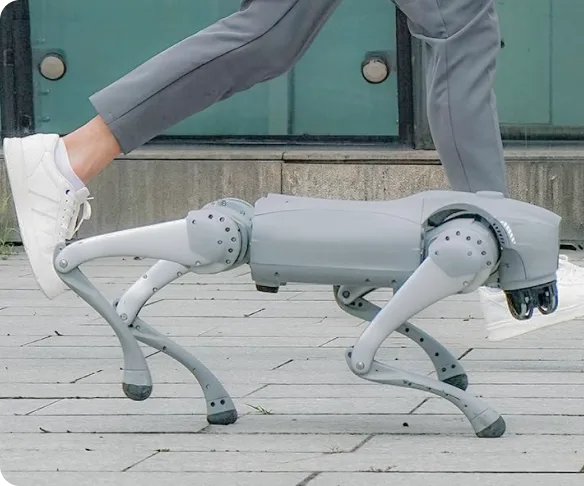
It can walk on uneven surfaces and adjust its stance on gravel, mud, and concrete. The team uses it to capture 3D scans and perform routine site inspections. This kind of mobility can save human workers hours of labor each week.
But the real focus of Zhu’s research goes beyond just replacing manual work. The goal is to create a partnership between human workers and robots—an environment where both can operate safely and efficiently side by side.
What Makes This Research Important
Construction remains one of the most dangerous industries in the United States. According to the U.S. Bureau of Labor Statistics, nearly one in five workplace deaths happen in this field.
Tasks like inspecting scaffolding, walking through unstable ground, or climbing into half-finished structures can all pose serious risks. Robots can reduce this exposure.
By allowing the robot dog to scan and monitor these areas, humans can stay out of harm’s way. Zhu’s team is mapping how robots can navigate such areas while keeping accurate, consistent, and safe workflows.
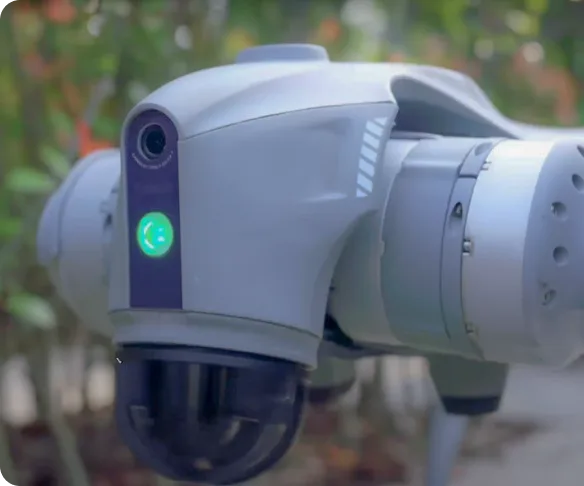
However, challenges remain. The robot still relies heavily on geometry-based navigation, meaning it doesn’t fully “understand” its environment the way humans do. It can get confused by soft materials, symbolic markers, or even bright caution tape.
This highlights an important stage of robotic development—the need for context awareness. Robots must not only move; they must also interpret the environment.
Lessons from the UW–Madison Site
One of the graduate students in the project, Liqun Xu, shared that while the robot is impressively agile, it lacks human-level reasoning. For example, it doesn’t recognize that a wet surface may be slippery or that a taped area might mean “do not enter.”
That’s why human supervision remains essential for now.
Still, the lessons from this study are paving the way for a safer, more efficient construction future. Data from UW–Madison’s site is helping develop new algorithms that improve how robots perceive risks and boundaries.
These findings will eventually make it easier to deploy robotic assistance across schools, industries, and research labs. It’s also a major reason why companies like Toborlife AI are leading the conversation around adaptable and safe programmable robots.
Why Construction Needs Robotics in 2025
The construction industry is evolving quickly, and robotics has become essential for progress.
- Robotics helps complete projects faster with greater precision.
- Robots handle dangerous tasks, improving worker safety.
- Automated systems reduce waste and support sustainable building.
- Educational projects like UW–Madison’s link research with real-world construction needs.
- Students learning robotics today are preparing for future careers in advanced infrastructure and technology.
Leading the Change: Toborlife AI’s Approach
Toborlife AI stands out because our robots aren’t just “display pieces.” They’re programmable, modular, and adaptable to different teaching and testing environments.
Educators can customize how their robots move, react, and interact. Every Toborlife product is built to be practical, robust, and user-friendly.
More importantly, our team provides ongoing support, software updates, and educational guides. This helps schools, universities, and research labs get real value from their investment.
We take inspiration from projects like UW–Madison’s robot dog study, but we push the boundary further by offering accessible robotics for learning, testing, and exploration.
If you’re ready to bring the future into your classroom, visit toborlife.ai to learn more about our lineup and get personalized recommendations for your learning environment.
The Future of Robotics in Education and Construction
As this UW–Madison project continues, it’s expected to influence how other universities approach robotics research. The findings may help shape safety protocols, design standards, and even new academic courses in digital construction and human–robot collaboration.
The long-term impact is clear. Robot dog for school are not just simple robots; they’re becoming active collaborators.
Education systems that start early with robotics training will have a major advantage in preparing students for this transformation.
By using Toborlife robots, schools can simulate the same kind of environment seen at professional job sites. Students can learn how to make autonomous systems more responsive, more efficient, and more human-aware.
That’s the foundation of tomorrow’s workforce and it starts in classrooms today.
Conclusion
The robot dog walking through UW–Madison’s construction site is more than a novelty. It’s a glimpse into how robotics will shape the future of work, education, and safety.
Projects like these remind us that innovation begins with curiosity and careful study. And as more institutions explore how robots can assist in real-world scenarios, brands like Toborlife AI continue to make that technology more reachable for everyone.
To see how your school or research program can take the next step in hands-on robotics learning, visit toborlife.ai today. The future is already walking among us—one step, and one robotic paw, at a time.


Comments are closed for this post.