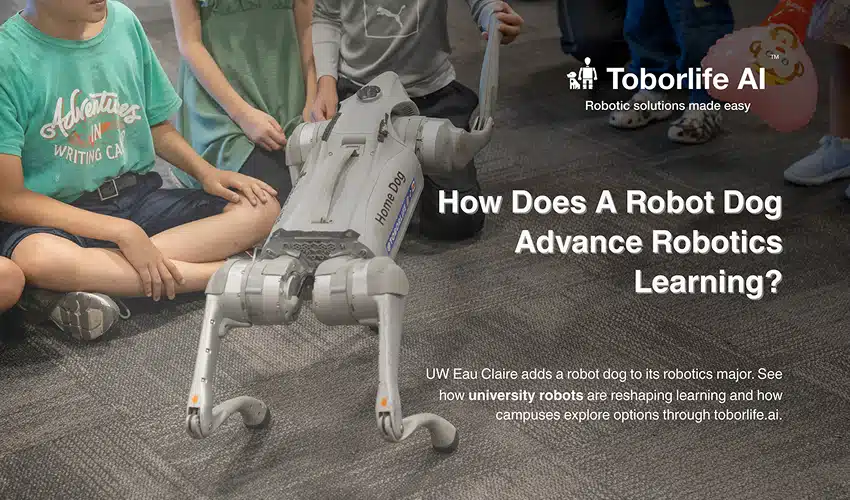
Why UW-Eau Claire Added a Robot Dog
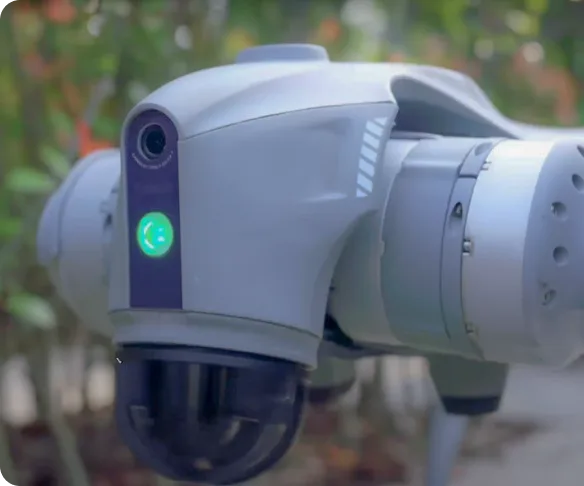
The university launched a new major in assistive systems and robotics engineering. This program aims to prepare students for a world where robots support people at home, at work, and in elderly care environments.
The faculty chose the robot dog for several reasons:
- It gives students a direct way to test codes
- It responds to student commands with clear physical results
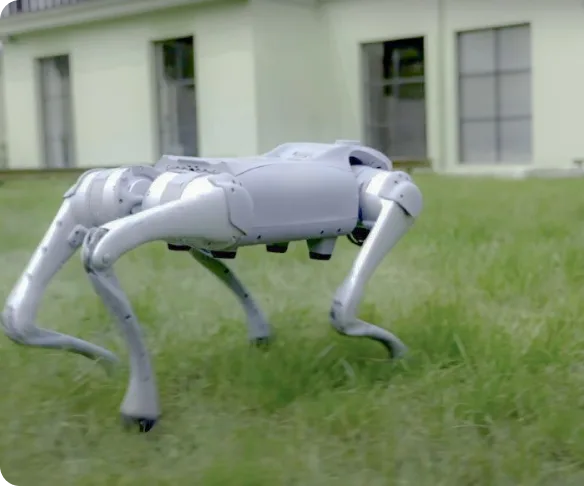
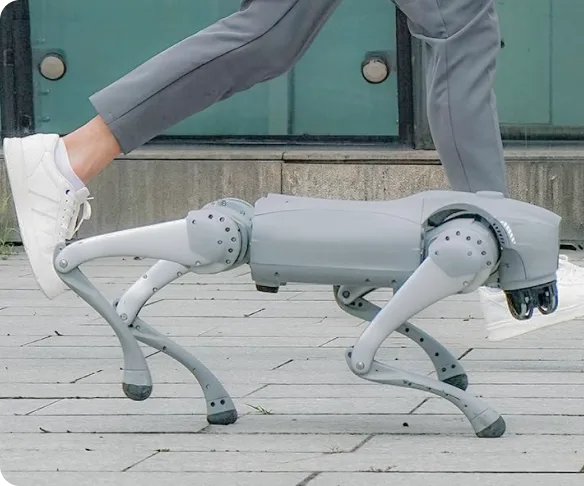
- It demonstrates balance, coordination, and motion control
- It allows hands-on learning from the first semester
- It introduces robotics without overwhelming new learners
How Students Will Use the Robot
The curriculum at UW-Eau Claire mixes theory with real practice. Students will learn math, programming, reasoning, and design concepts. Then they will test those lessons on the robot dog.
Key activities include:
- Writing motion scripts
- Practicing safe control tests
- Running observation sessions
- Studying joint coordination
- Learning how robots respond to slopes and stairs
- Testing interactive gestures
This type of work builds strong problem-solving skills. Students see how code becomes motion and how design choices affect performance.
The robot also gives students confidence as they learn. Robots that walk and interact feel approachable. This creates a friendly environment for beginners.
A Step Toward Real Assistive Robotics
The long-term goal goes beyond robotics demonstrations. The program hopes to develop engineers who will build future assistive robots. These robots may help elderly individuals, support people with disabilities, or handle tasks that require physical assistance.
The robot dog gives students an early look at how real-world assistive systems might behave. Students can observe the way it handles balance, walks around objects, or recovers from slight instability. These qualities are important when robots operate around people who depend on them.
This influence will help shape how graduates design solutions for care environments and daily life support.
Why More Universities Want Robots on Campus
Universities across the country are facing new demand for programs that blend robotics, AI, engineering, and hands-on practice. Students want real experience, not only lectures. That is why more institutions are exploring hardware options and turning to platforms like toborlife.ai to compare systems.
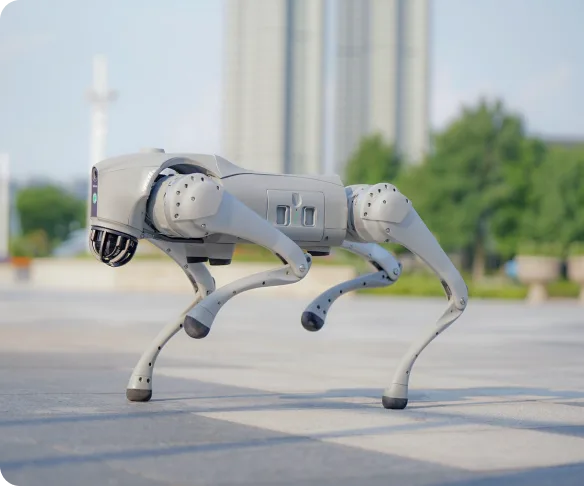
Many campuses choose four-legged robots because they are:
- Stable in motion
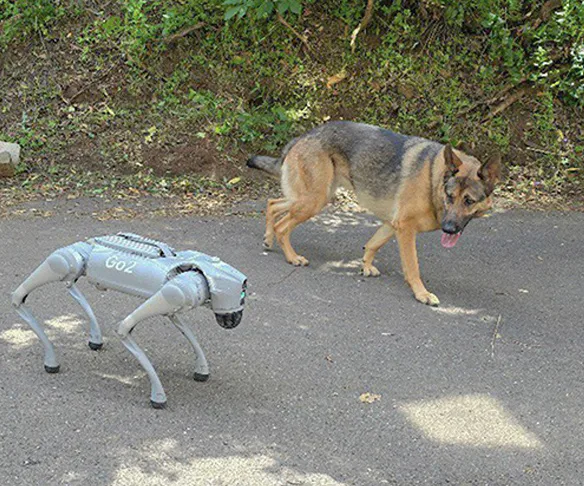
- Safe around people
- Easy to position indoors
- Flexible for research
- Predictable across many environments
How Toborlife AI Helps Universities Plan These Upgrades
Schools exploring robotics additions often search for clear information and reliable vendors. They want to know which robots fit their classrooms, what features support their programs, and which platforms are safe for new learners.
Toborlife AI supports this process by:
- Listing robots with detailed performance notes
- Highlighting motion features and control options
- Showing price structures
- Guiding universities toward trusted purchase channels
- Helping departments compare long-term use cases
- Suggesting robots for training, research, and demonstration
Many institutions exploring university robots or comparing educational robots visit toborlife.ai to plan new labs and expand course offerings.
These decisions shape how future engineers learn and how robotics programs grow.
How This Robot Connects Students With Real-World Robotics
Students at UW-Eau Claire will not only watch the robot dog walk. They will modify its behavior. They will experiment with its movement and observe how small changes affect performance. This connection between input and outcome teaches valuable engineering skills.
It also prepares students for future roles where robots and humans work side by side. In many industries, robots handle tasks that require consistency, strength, or stability. Learning how these systems operate gives students an advantage when they enter the workforce.
This type of exposure also encourages creativity. When students see a robot respond to their ideas, they become more confident in exploring new approaches.
A Forward Look
The addition of a robot dog at UW-Eau Claire marks an exciting moment for robotics education. It shows that universities are ready to give students hands-on tools that reflect real technological progress. The robot dog also supports a new generation of engineers who will design future assistive systems.
More campuses will likely follow this path. As they do, platforms like toborlife.ai will help them choose robots that fit their goals, support learning, and prepare students for emerging careers.
If your university is planning to expand its robotics program or bring interactive robots into the classroom, visit toborlife.ai to explore options that support long-term teaching and development.

Comments are closed for this post.