The Idea Behind OpenMind’s Robotic Dog
OpenMind’s team of engineers and researchers has one vision and that is to create machines that understand people better. The company’s co-founder, Jan Liphardt, teaches at Stanford and brings academic research into real-world use.
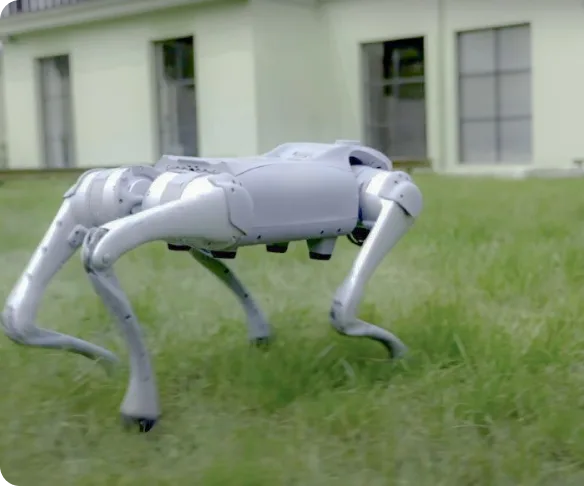
Their robotic dog is designed to be part of the household, not just a lab experiment. It can move around your home, detect changes, and even check if someone has been away for a while. If you leave home for more than ten minutes, it can roam through rooms and perform a quick status check.
The idea is simple but powerful. Use robotics to make homes safer and more interactive.
This experiment also represents a bigger step for the robotics industry. The move from factories and research labs to everyday spaces shows that robotics is finally blending into daily life.
Testing in Real Homes
The startup plans to deploy ten robotic dogs in San Francisco homes next month. These test units will help researchers gather real-life data on how people interact with the robots.
The goal is not just to measure performance but also emotional response. Early feedback shows people find the robots “approachable and engaging.” That’s a positive sign for an industry often seen as too technical or cold.
Each test home will allow the robot to perform small but meaningful tasks, such as monitoring empty rooms, collecting environmental data, or checking household activity when owners are away.
The company believes this stage of testing will help refine movement, communication, and responsiveness. These are the key features for robots that could soon become household assistants or security robots.
Robots Move from Labs to Living Rooms
Robotic development has always faced one major challenge: bridging the gap between design and real-world use.
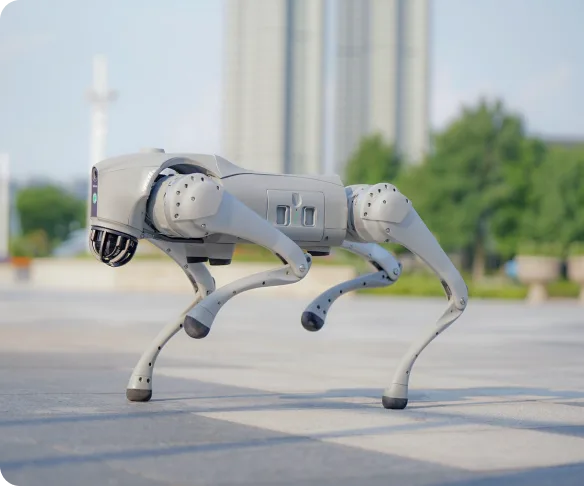
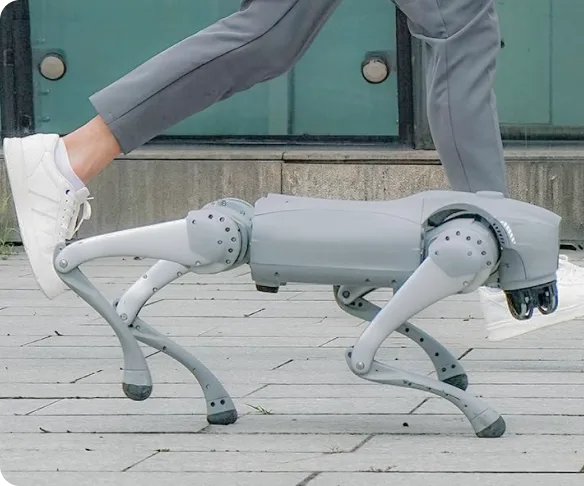
Until recently, most four-legged robots were used for research or industrial inspection. They were heavy, expensive, and not suited for the public. OpenMind’s dog changes that dynamic. It’s lightweight, efficient, and designed to coexist in human environments like homes, hospitals, and schools.
This transition from industrial to domestic use marks a new era. One where robotic dogs aren’t just research tools but companions, helpers, and protectors.
It also signals growing acceptance of technology in personal spaces. People are becoming more comfortable with autonomous systems that interact, move, and assist rather than just compute.
Why Robotic Dogs Are in Demand
Robotic dogs bring function and presence together.
Several factors are driving the rise of home robotics:
- Safety: Robots can handle risky tasks like inspecting damage or monitoring entry points.
- Convenience: They save time by automating routine checks around the house.
- Companionship: People enjoy interacting with devices that have personality and movement.
- Innovation: AI advancements make robots more responsive and useful than ever.
- Peace of mind: For many homeowners, a reliable robotic companion feels exciting and reassuring, especially when it can enhance safety and protection at home.
Funding and Expansion
OpenMind recently secured $20 million in funding to grow its operations and prepare for large-scale deployment. The startup is also looking for new manufacturing space in San Francisco, signaling strong investor confidence and public interest.
As the company expands, so does the competition. Robotics and AI startups across the Bay Area are racing to make machines that blend into human environments naturally.
But the real goal goes beyond advanced hardware. It’s to design robots that people genuinely enjoy having in their homes and daily lives.
What This Means for Consumers
This new wave of robotics isn’t just about convenience. It’s about redefining trust and interaction between people and machines. When robots enter homes, they must be dependable, safe, and respectful of privacy. That’s where brands like Toborlife AI shine. At Toborlife, we’re focused on developing robotics that balance advanced functionality with accessibility. Our robots are designed to complement modern living that are capable of handling security tasks, assisting with education, or enhancing daily comfort!
If OpenMind’s robotic dogs represent the future of household robotics, Toborlife AI is making sure that future reaches you faster, smarter, and more affordably.
Visit toborlife.ai to explore our range of products that bring advanced robotics into real homes today!
How Robots Are Redefining Home Security
Home security has evolved from cameras and alarms to intelligent systems that move, detect, and respond. Robotic dogs take this evolution a step further.
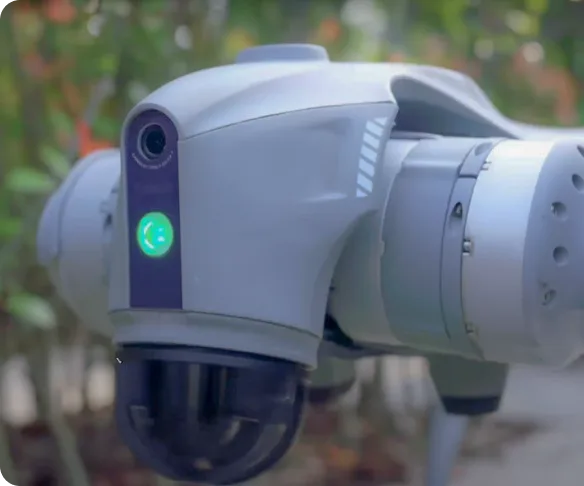
They can patrol spaces, notice changes in the environment, and alert owners through connected systems. Their sensors detect motion, light changes, and even sound anomalies, giving them an advantage over static cameras.
In the future, these robots could serve as both guardians and companions — observing while also interacting with homeowners.
The security robots being tested today show how AI can blend safety with personality, creating technology that’s functional yet engaging.
Conclusion
By next year, robots like OpenMind’s could be common in pilot homes, universities, and healthcare facilities. Their adaptability makes them useful in a variety of settings from elderly care to property inspection.
This move signals a larger trend. Robotics is becoming personal, mobile, and emotionally aware.
For homeowners, educators, and innovators, this opens up new opportunities to explore robotics in everyday living.
And for those who want to experience this evolution firsthand, Toborlife AI makes it possible. Discover our collection of advanced home and security robots at toborlife.ai today!


Comments are closed for this post.