The Industry’s Big Vision
The vision is grand: fully autonomous humanoids coexisting and collaborating with humans. Companies envision robots working side-by-side with people, augmenting labor in environments where automation once seemed impossible: like nursing homes, schools, or public spaces.
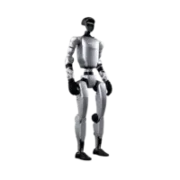
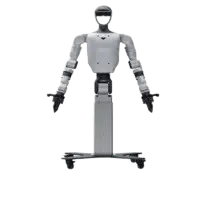
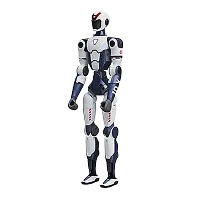
Tesla’s Optimus, Agility Robotics’ Digit, and Sanctuary AI’s Phoenix are just a few of the humanoid models demonstrating rapid progress in movement, grip precision, and environment adaptation. These systems represent years of work in biomechanics and AI control. But as IFR emphasizes, we’re still in the early stages of widespread deployment.
Most humanoid robots today remain highly specialized. They perform repetitive, structured tasks rather than the complex, unpredictable ones that characterize human environments. To achieve the “big vision,” manufacturers must overcome three core challenges: mobility, affordability, and intelligence.
The Reality Check: Barriers to Everyday Use
Despite their sleek exteriors and captivating demos, humanoid robots face significant hurdles before mass adoption can occur:
- Cost: High-precision actuators, sensors, and computing units make humanoids expensive to build and maintain.
- Battery life: Current battery technology limits operation time to just a few hours of continuous work.
- Adaptability: Navigating cluttered spaces, handling diverse objects, or responding to dynamic environments remains difficult.
- Ethical perception: Society’s comfort level with human-like machines varies widely, affecting public adoption rates.
In short, while 2025 has seen incredible engineering breakthroughs, humanoid robots remain a blend of promise and prototype.
Where Humanoids Are Already Working
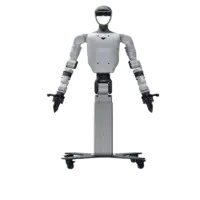
Still, there are areas where humanoid and semi-humanoid robots have already begun to deliver real value. In logistics, humanoid platforms are helping companies load and move materials. In hospitality, humanoids serve guests, provide entertainment, and act as greeters at exhibitions and hotels.
Security and monitoring are emerging as particularly promising use cases. Advanced surveillance robots can patrol buildings, identify anomalies, and communicate directly with control centers. Equipped with facial recognition and AI-based threat detection, these robots extend human capability without fatigue or bias.
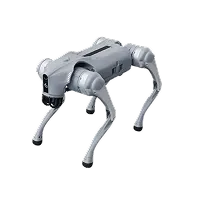
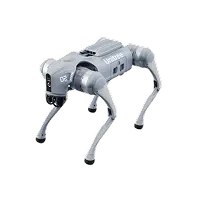
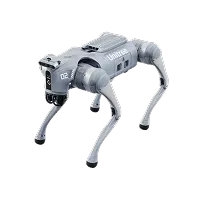
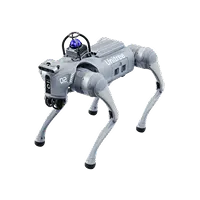
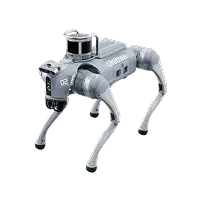
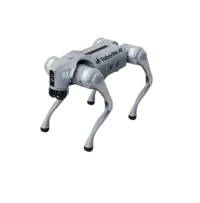
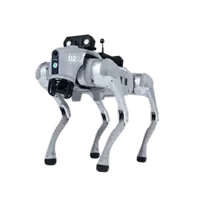
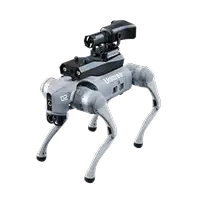
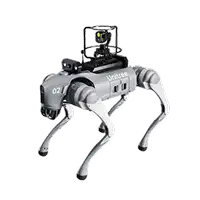
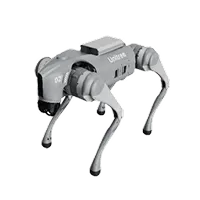
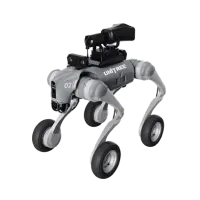
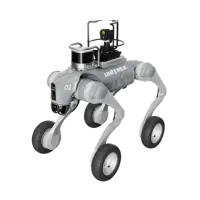
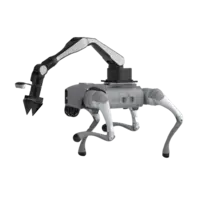
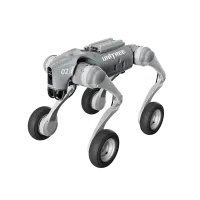
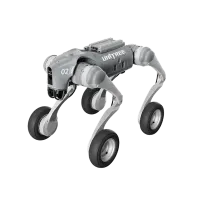
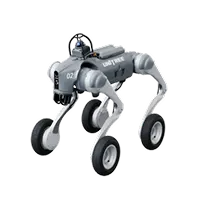
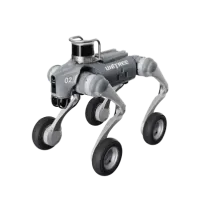
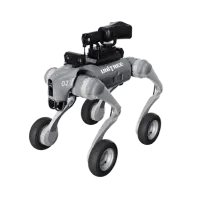
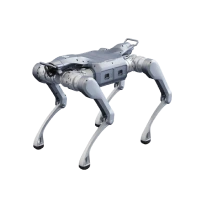
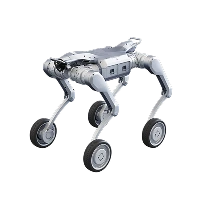
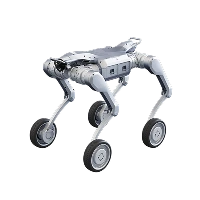
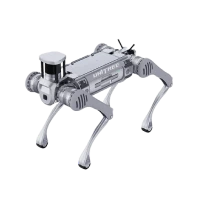
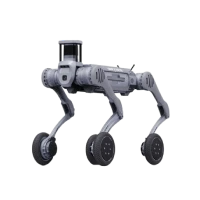
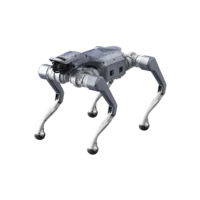
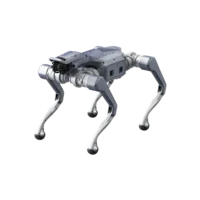
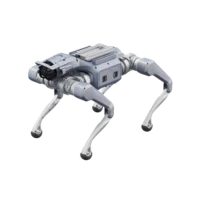
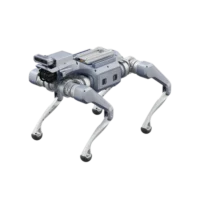
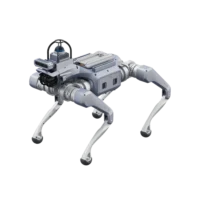
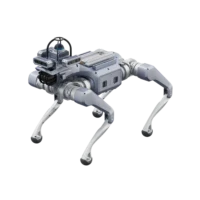
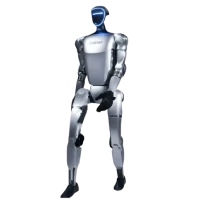
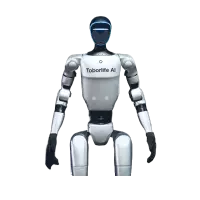
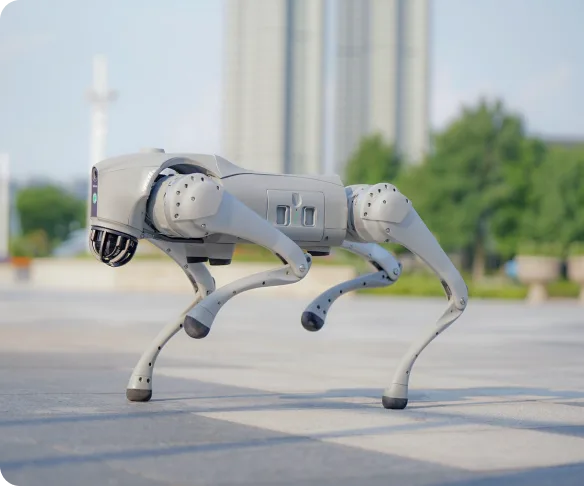
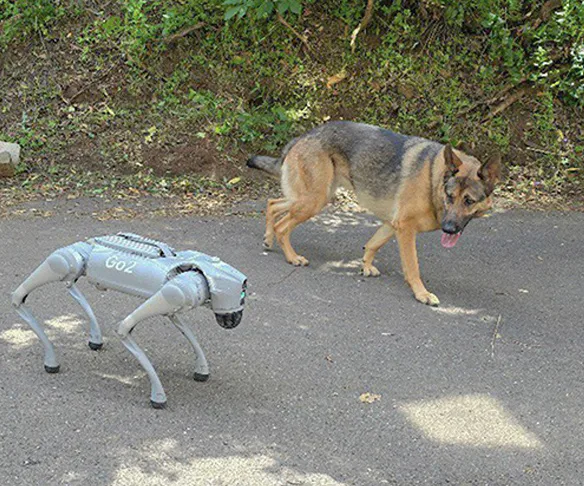
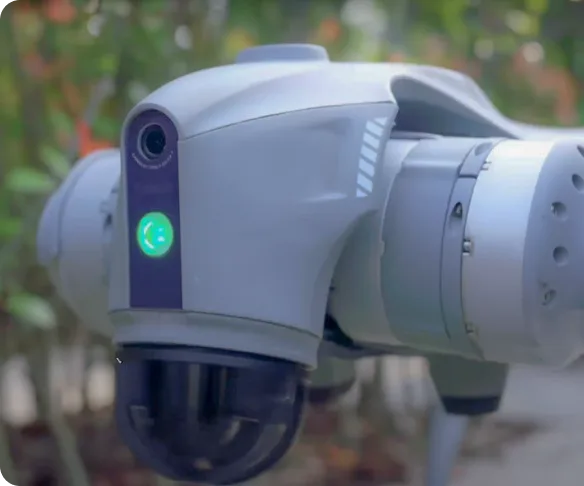
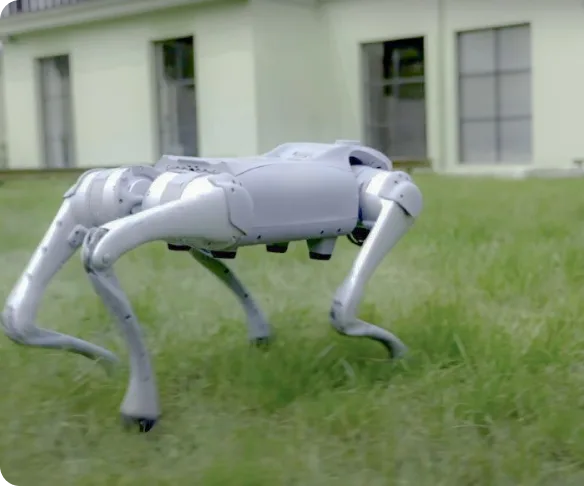
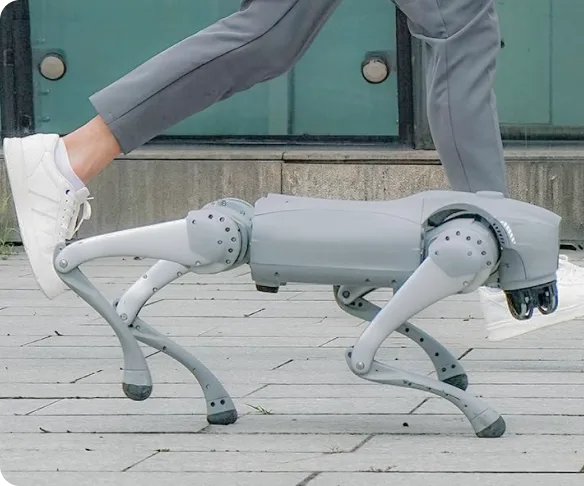
Companies like Toborlife AI see this integration as more than a technical achievement; it’s a societal one. By providing reliable, human-safe robot security solutions, Toborlife AI’s humanoid and quadruped systems bridge the gap between innovation and application. Their models can operate as night guards, safety escorts, or event security partners, roles where precision and endurance are key.
AI, Autonomy, and the Human Touch
The latest wave of humanoids focuses on human-like interaction powered by multimodal AI. Robots that can interpret gestures, understand tone, and respond contextually are transforming what “machine intelligence” means.
While ChatGPT-like conversational AI can already hold dialogue, humanoids are now giving that intelligence a body. A voice with a gesture. A response with emotion.
However, as IFR cautions, there’s still a gap between simulated empathy and authentic human connection. Humanoids may be programmed to appear understanding, but they don’t truly feel… at least not yet. The ethical and psychological implications of this distinction are profound.
For Toborlife AI, the focus isn’t on replacing human warmth but on enhancing human capability. Our robots are built to assist to take over repetitive, hazardous, or logistically complex tasks so people can focus on what truly requires creativity and empathy.
Market Trends: From Research Labs to Real Jobs
According to IFR, investment in humanoid robotics surged in 2024–2025, driven by a mix of industrial need and public curiosity. The market is expected to grow by double digits annually through 2030. Sectors such as manufacturing, logistics, security, and eldercare are leading adopters.
Several universities and research institutions are now incorporating humanoids into robotics curricula, preparing students to engineer and ethically manage the next generation of intelligent machines. These programs aim to balance innovation with responsibility, ensuring that technology serves humanity rather than outpaces it.
For the private sector, this means opportunity. Businesses can now integrate humanoids for tasks once thought too nuanced for automation. Whether it’s guiding guests at conventions, assisting healthcare staff, or operating as a robot security guard in smart facilities, the applications are expanding quickly.
The Toborlife AI Perspective
At Toborlife AI, we believe humanoid robotics should be both aspirational and accessible. Our products reflect this balance — combining durable design, adaptive software, and intuitive control systems. We offer humanoid and quadruped robots optimized for education, security, and hospitality.
Our surveillance robots integrate advanced sensors, computer vision, and autonomous navigation to protect spaces efficiently and safely. These units can patrol perimeters, detect anomalies, and alert teams instantly, all while maintaining quiet operation and low maintenance costs.
Whether you’re exploring humanoid robots for personal use, commercial events, or facility management, Toborlife AI delivers solutions built for the real world, not just the showroom floor.
Looking Ahead: The Humanoid Horizon
2025 marks a turning point. The world is witnessing the transition from imagination to implementation. But we’re also learning that creating robots that look human is the easy part — making them useful, safe, and economically viable is the real challenge.
Still, optimism runs high. As energy systems improve, as AI grows more context-aware, and as prices fall, humanoids will move from experimental showcases to everyday life. The day when a humanoid greets you at work or assists you at home isn’t far off.
At Toborlife AI, we’re not just watching that future unfold, we’re building it. Explore our latest humanoid and AI-powered robots at Toborlife AI, and experience firsthand how the vision of tomorrow’s robotics is taking shape today.


Comments are closed for this post.