The Real Challenge: Bringing AI into the Physical World
Artificial intelligence has changed how we interact with apps, devices, and online services. But bringing AI into physical machines is a bigger challenge. Robotics and autonomous systems need to merge intelligence with real-world physics.
That’s the focus of this TechCrunch Disrupt session featuring Raquel Urtasun, CEO of Waabi, and Jeff Cardenas, CEO of Apptronik.
Together, they’ll explore how simulation, sensors, and software infrastructure are shaping the next wave of intelligent machines. This is not just about making machines smarter but it’s about making them reliable and safe in environments where people live and work.
Humanoids on the Horizon
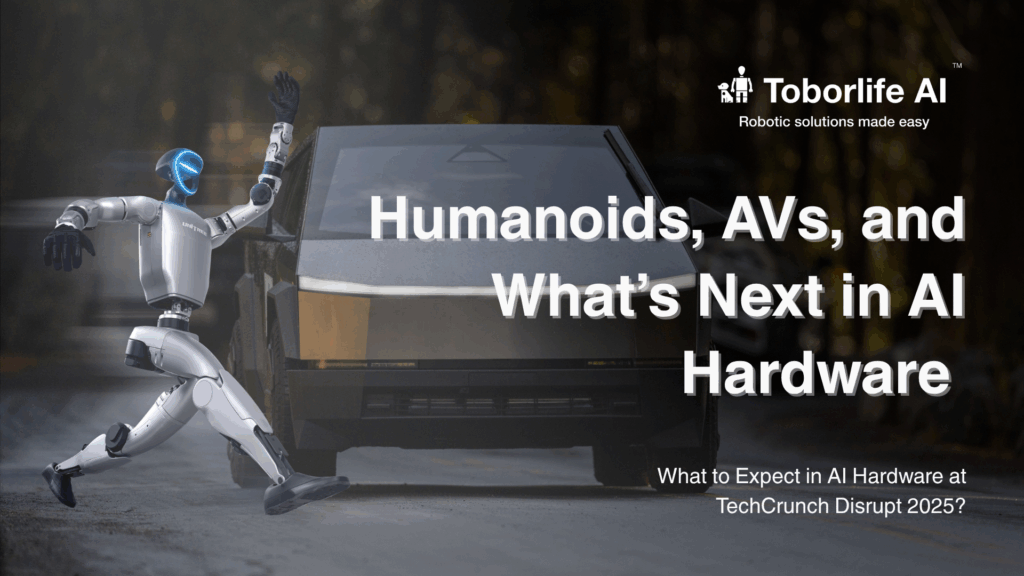
Humanoid robots are one of the most exciting areas in robotics. They’re built to perform human-like tasks and adapt to dynamic environments. Companies like Apptronik are pushing humanoids from lab prototypes to commercial-ready machines.
Imagine robots that can work in warehouses, assist with elderly care, or handle logistics in hospitals. These use cases aren’t science fiction. They’re part of the roadmap for businesses looking to solve labor shortages and improve efficiency.
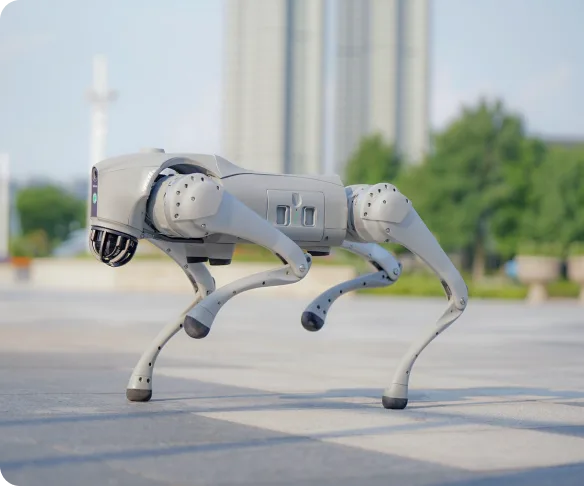
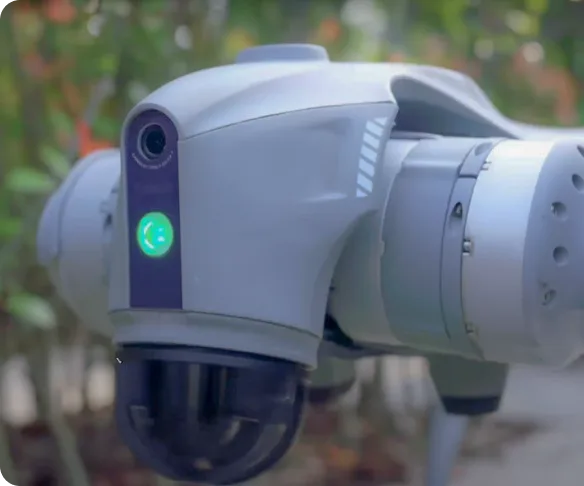
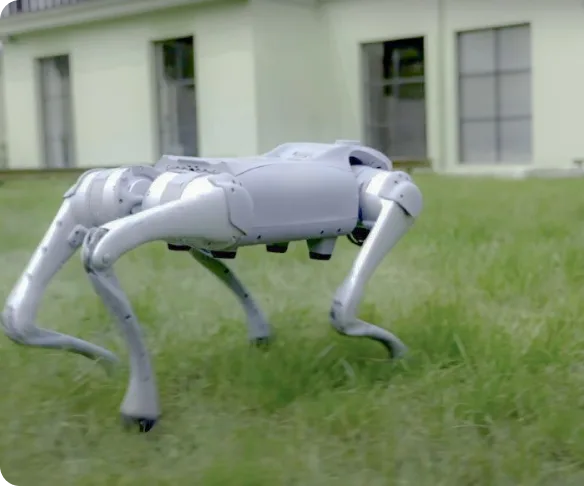
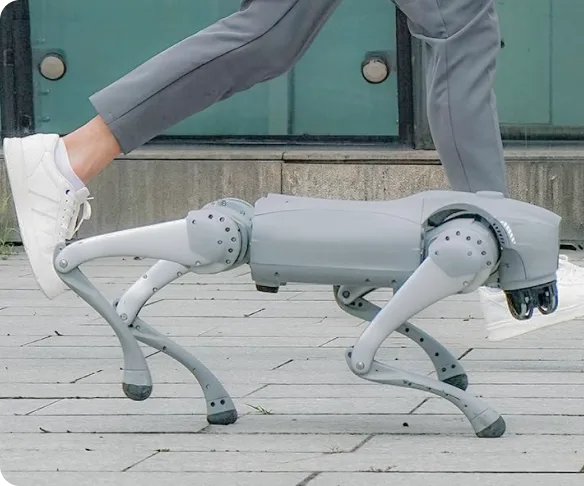
At Toborlife AI, we’re closely watching this space. Our mission is to provide robotics that are not just advanced but also practical for real-world use. While others showcase what’s possible, we focus on delivering products you can actually deploy today.
Autonomous Vehicles Evolving
Self-driving technology has been in development for years, but scaling it has proven difficult. Waabi, led by Raquel Urtasun, is tackling this challenge with advanced simulation models. These models allow autonomous vehicles to be tested in thousands of scenarios before hitting the road.
This progress matters for industries like logistics, delivery, and ride-hailing. A reliable autonomous system could cut costs, reduce accidents, and reshape urban mobility.
But beyond transportation, the technology behind AVs has crossover potential. The same sensors and decision-making algorithms can be adapted for robots navigating factories or humanoids walking city streets.
AI Hardware Meets Real-World Constraints
One of the key themes of this session is the balance between innovation and safety. Building humanoids and AVs isn’t just about AI. It’s about hardware design, energy efficiency, and reliable sensors. Machines need to withstand unpredictable conditions and perform consistently.
This is where Toborlife shines. Our robotics products are designed with durability and adaptability in mind. We know that businesses need machines that can operate day after day, without costly breakdowns or complex setups.
So, What’s Driving Adoption
There are a few major factors fueling the adoption of robotics in 2025:
- Labor shortages: Many industries face staffing challenges, from healthcare to logistics. Robots can fill the gaps.
- Safety: Machines can perform dangerous tasks, reducing risks to human workers.
- Efficiency: Robots don’t get tired, and they can run continuously with minimal downtime.
- Scalability: Once the systems are in place, it’s easier for companies to scale operations without expanding human teams.
- Cost benefits: While upfront investment is significant, long-term savings are undeniable.

Comments are closed for this post.