Built Like an Animal, Trained by AI
The robot that is nicknamed “Clarence” isn’t built on guesswork. Its intelligence comes from an AI model trained using deep reinforcement learning. Researchers put it through nine hours of simulated environments before it ever touched physical ground. Hundreds of terrains. Countless unpredictable conditions.
Unlike traditional robots that follow pre-programmed steps, Clarence can switch gaits in real time. Trotting, bounding, pacing; it adapts based on feedback from its limbs alone.
No cameras. No external sensors. Just pure internal awareness, like a real animal navigating the wild.
This kind of proprioceptive navigation is key. It means robots can remain useful even when cameras fail or lighting is poor.
For field missions, that reliability is a must.
AI That Doesn’t Freeze in Unfamiliar Situations
Clarence’s behavior isn’t just reactive. It’s proactive. The robot remembers how to walk over certain surfaces. It creates a mental “memory” of motion patterns that work and reuses them when needed. It also knows when to switch strategies.
On rocky ground? Use bounding. On soft soil? Switch to pacing. All this happens without human direction.
And if you think it only works in labs, think again. The team tested Clarence on rocks, roots, woodchips, and loose logs. It adapted to everything. Even when its leg got hit by a brush, it recovered immediately.
How This Tech Shift Impacts Real-World Robotics in 2025
Let’s talk about impact.
This development shows how far robotics has come in solving practical problems. Inspection robots are progressing toward independent operation, without the need for constant manual updates or tweaks.
Robots with this level of adaptability can be used in collapsed tunnels, unstable environments, or even planetary exploration. That cuts down time, reduces costs, and lowers human exposure to dangerous zones. It’s already drawing attention from sectors like mining, construction, energy, and space.
The innovation was recognized in the July 2025 issue of Nature Machine Intelligence. It is a sign of how significant this breakthrough really is.
Toborlife Robots: Ready for the Field
At Toborlife AI, we recognize the importance of this shift. Our robotics lineup already includes AI-powered inspection robots designed for rugged performance. We engineer bots with advanced adaptability in mind.
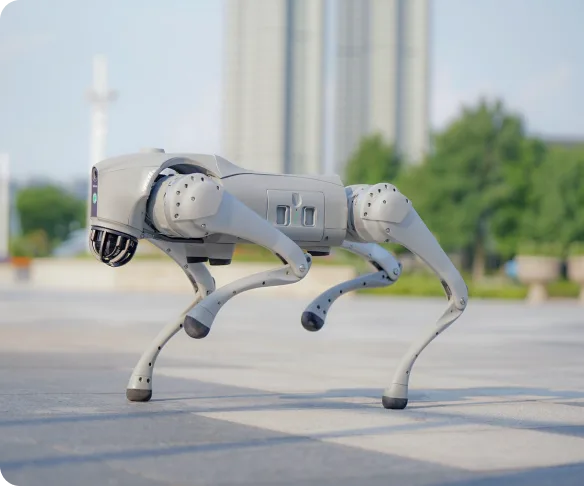
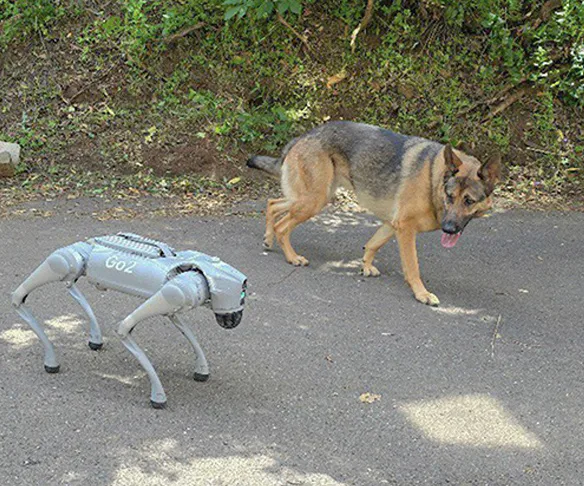
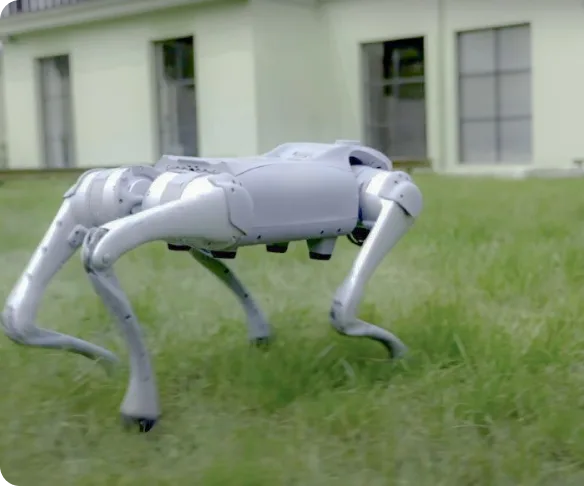
Take the Toborlife Go2 series, for example. With terrain response tech, robust sensors, and smart gait control, our robots are built for action. Whether you’re exploring unpaved construction zones or inspecting industrial pipelines, Toborlife robots get the job done.
And unlike traditional systems, Toborlife units come with full training support, on-site optimization, and long-battery options for extended missions.
That’s the difference between off-the-shelf hardware and real deployment-grade tools.
Features That Reflect the Latest AI Breakthrough
Here’s how the features of the new animal-inspired robot connect with Toborlife’s design ethos:
- Memory-Based Gait Adjustments: Toborlife robots use custom-trained motion presets for various terrains.
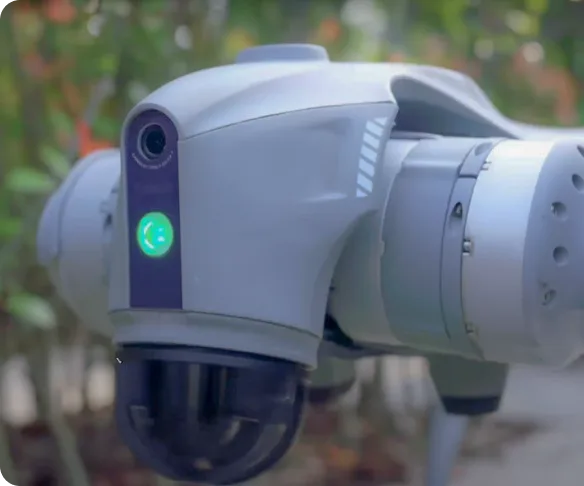
- No Camera Dependency: Our bots use internal sensors to stay functional, even when visibility drops.
- Fast Learning Loops: We’ve adopted lightweight simulation modules to retrain bots in hours, not weeks.
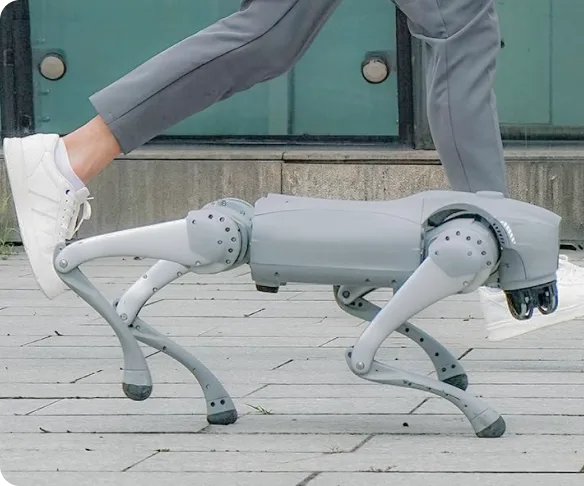
- Recovery Protocols: Toborlife units bounce back from unexpected physical impacts without rebooting.
- Terrain-Adaptive Balance Control: Integrated posture sensors help maintain full-body stability, even when navigating uneven or shifting ground.
So, Are Animal-Like Robots the Future?
In many ways, yes.
But more than being animal-like, they’re efficient, independent, and incredibly useful. AI robotics in 2025 isn’t about mimicking biology for fun. It’s about extracting the efficiency of nature and making it work for real missions.
Clarence the robot was designed to solve a real-world challenge. That’s the same direction Toborlife has always followed.
Practical tools. Real performance. No lab-only prototypes.
Want Robots That Learn Fast?
Our development team is already incorporating the latest reinforcement learning models into our lineup.
That means:
- Shorter field deployment cycles
- Lower operator input
- Better long-term adaptability
All of this comes built into our upcoming robot drop this fall. You can preview specs and order your Toborlife inspection robot at toborlife.ai.
Bulk and custom contracts are also available.
Toborlife: Your Advantage in the Field
You don’t have time for tech that freezes under pressure. Toborlife is designed for edge environments and unstable terrain. Our robots don’t guess. They learn, execute, and adapt.
When you’re choosing between generic platforms and purpose-built systems, go with the one backed by field-tested performance and real-world support. Go Toborlife.
This type of terrain-ready intelligence isn’t just for inspection.
- Agriculture: Autonomous crop monitoring across muddy or hilly ground.
- Logistics: Last-mile delivery bots that climb stairs or navigate snow.
- Security: Patrol robots that move silently over grass, gravel, or even debris.
Toborlife robots are engineered with multi-use cases in mind. The same AI principles used in lab experiments are reflected in our approach to design. Durable, responsive, reliable.
Takeaway
Research is still pushing forward. Future goals include letting robots jump, climb, and balance on slopes.
The AI that makes this possible is being refined every month.
Toborlife is staying on top of these changes, integrating what works, and field-testing upgrades for clients in real environments.
We’re not building for hype, we’re building for results.


Comments are closed for this post.