The Idea Behind Jennie
Jennie was born out of a deeply personal motivation. Tombot’s founder created the robotic dog after his own mother was diagnosed with Alzheimer’s disease. She loved dogs but could no longer safely care for one.
This experience led to the question: Could a robotic dog provide the same emotional comfort as a real pet?
The result was Jennie who is a realistic, interactive robotic companion designed to reduce anxiety, ease loneliness, and support cognitive stimulation.
Jennie reacts to touch, responds to voice cues, and even expresses affection through tail wags and head tilts. The goal isn’t to replace pets but to replicate their emotional presence for those who can’t manage real animals anymore.
Why a Robotic Companion Can Make a Difference
For many facing cognitive or emotional challenges, companionship plays a vital role in maintaining well-being. But caring for a living animal isn’t always possible, especially in cases of dementia or advanced age.
Jennie fills that gap beautifully.
It offers:
- Consistent comfort: Always available without requiring feeding or walking.
- Emotional engagement: Encourages interaction through touch and sound.
- Cognitive benefits: Stimulates memory and attention through gentle communication.
- Reduced stress: Proven to lower anxiety levels in patients during therapy sessions.
- Therapeutic design: Combines realistic behavior and safety, making it a true therapy tool disguised as a friend.
How It Works
Jennie is powered by sensors, actuators, and a custom AI system that simulates lifelike reactions. Touch sensors across its body let it respond to stroking, patting, or hugging.
It makes soft sounds, moves naturally, and recognizes basic interactions. Each motion is programmed to create emotional connection, not mechanical response.
Unlike older robotic pets, Jennie doesn’t just move but it also interacts. It learns user habits over time and tailors its responses to create a feeling of companionship.
Its AI system ensures the experience feels warm and genuine, which is key for patients who rely on emotional stability.
Designed for Healing Environments
Jennie’s use extends beyond homes.
It’s being tested in:
- Memory care centers to comfort dementia patients.
- Therapy programs for veterans and adults facing trauma.
- Assisted living facilities where animal care isn’t feasible.
Nurses and therapists report calmer moods, improved focus, and stronger patient engagement when robotic pets like Jennie are introduced.
These results show how robotics can merge empathy and innovation, turning machines into meaningful support tools.
The Technology Trend Behind Emotional Robotics
Jennie is part of a larger movement in robotics focused on emotional well-being. Engineers are combining artificial intelligence with psychology to build machines that interact more naturally with humans.
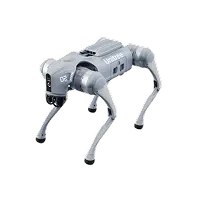
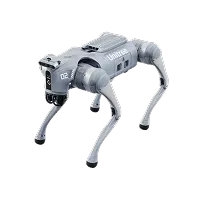
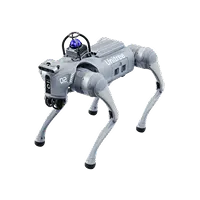
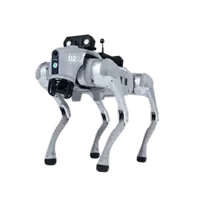
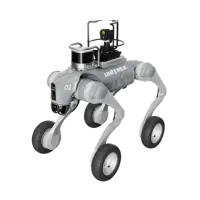
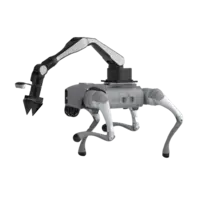
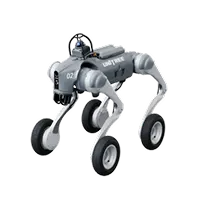
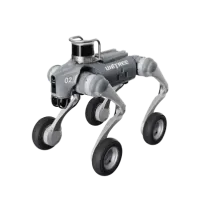
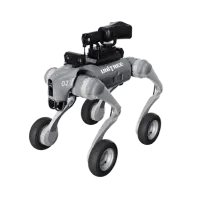
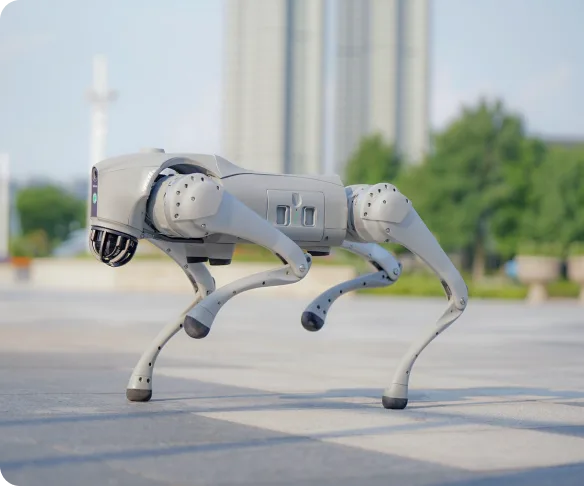
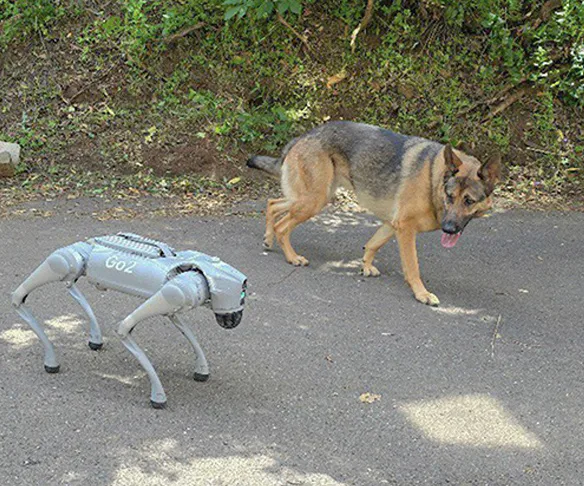
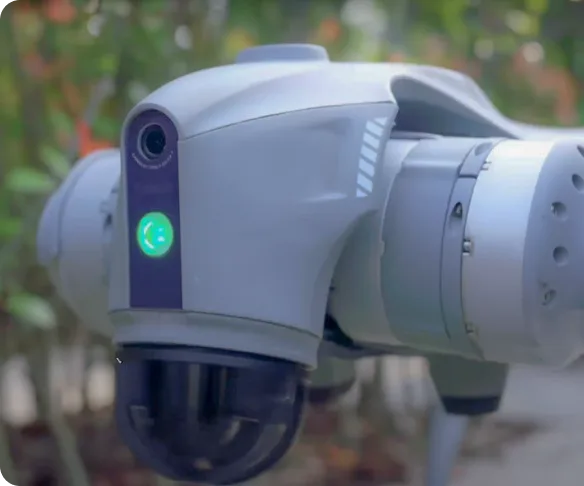
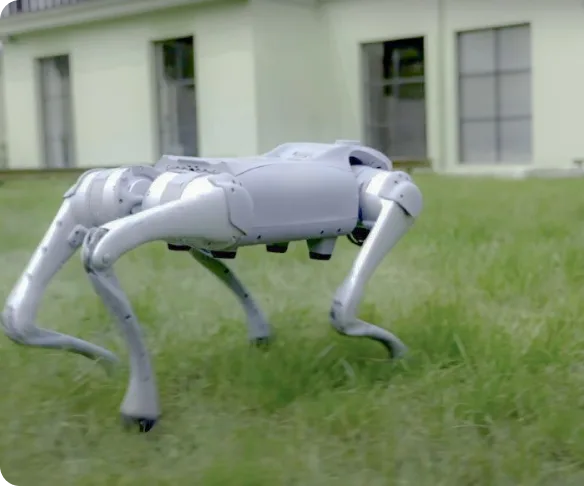
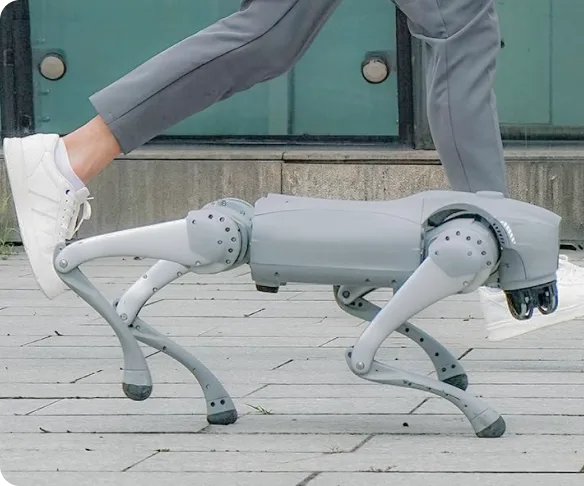
The Unitree robot dog, for example, shows how far mobility and sensing technology have come. But Tombot’s focus is different. It’s about the emotional bond, creating technology that comforts rather than performs tasks.
Toborlife AI shares this vision. Our designs aim to enhance quality of life through advanced, approachable robotics that people can connect with emotionally.
Visit toborlife.ai to explore our next-generation companions, designed for therapy, learning, and personal support.
The Emotional Impact of Robotic Companionship
Research continues to show that robotic companions can help reduce symptoms of depression and loneliness. They give patients something to care for even if that care takes the form of gentle pats or soft conversations.
Many users report feeling calmer, more secure, and less isolated after spending time with a robotic pet. Caregivers also notice improved mood stability and reduced agitation in dementia patients.
Jennie’s creators emphasize that emotional connection is key to long-term well-being. The dog’s realistic behavior triggers positive memories and helps create comforting routines, which can be crucial for people with cognitive decline.
This emotional stability is where technology like Jennie shines. It provides structure, familiarity, and warmth without adding burden or stress.
Making Technology Human
Robotics used to feel distant like mechanical, industrial, and impersonal. But Jennie proves that design and empathy can work hand in hand.
The goal of therapeutic robotics isn’t to mimic humanity perfectly. It’s to build bridges between people and technology that feel genuine and supportive.
At Toborlife AI, this philosophy guides our entire approach. We design robots that respond, adapt, and engage in ways that promote emotional health and productivity. From learning companions to therapy-based assistants, our products are built to make robotics more personal and meaningful.
You can explore these innovations at toborlife.ai.
The Future of Wellness and Robotics
Healthcare and caregiving are entering a new era. The one where robotics and AI work side by side with humans to provide emotional and physical support.
In 2025 and beyond, we’ll see more robots entering therapy spaces, classrooms, and care homes. The goal isn’t replacement but enhancement using technology to amplify compassion, not replace it.
Jennie’s success shows that robots can bring comfort, calm, and connection to those who need it most. And with companies like Toborlife AI developing new human-centered robotics, this movement is just beginning.
Let’s Explore A New Kind of Friendship
The story of Jennie is more than a technology milestone. It’s a story of empathy, innovation, and hope.
For people facing mental health or cognitive challenges, this robotic dog represents something powerful. It is the return of companionship, safety, and connection in daily life.
As robotics continues to evolve, so does its purpose. It’s no longer only about precision and efficiency. It’s about care, emotion, and understanding.
And for those ready to see how technology can support well-being, Toborlife AI offers a glimpse into that future today. Visit toborlife.ai to learn more about how our robotic companions can transform care, learning, and everyday life.







































Comments are closed for this post.