Security Robotics Has Entered a More Commercial Phase
For years, robot security platforms have been mostly treated as emerging tech. They showed up in demos, pilot programs, innovation labs, and conference decks. In 2026, the tone is different.
The market is now being shaped by practical demand: persistent patrol, perimeter monitoring, remote inspection, and continuous coverage in spaces where human patrols are expensive, repetitive, or hard to scale. The same 2026 report ties recent growth to rising security threats, increased use of automated surveillance systems, demand for 24/7 monitoring, and earlier investments from defense and industrial sectors.
That is a much stronger signal than hype.
It suggests security robotics is moving into a phase where buyers are no longer asking, “Can these systems work?”
They are asking, “Which format works best for our environment?”
Why Quadrupeds Are Gaining More Attention
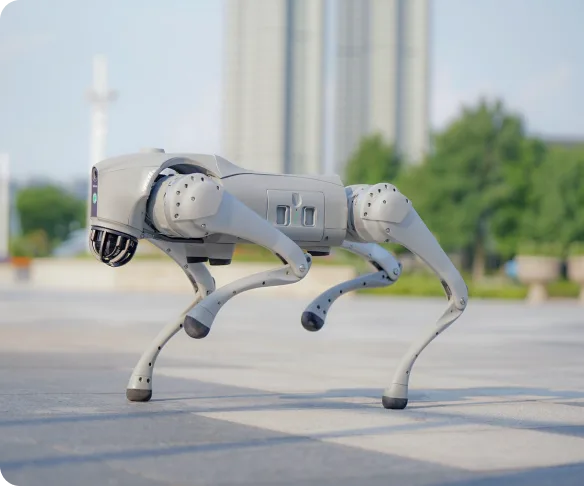
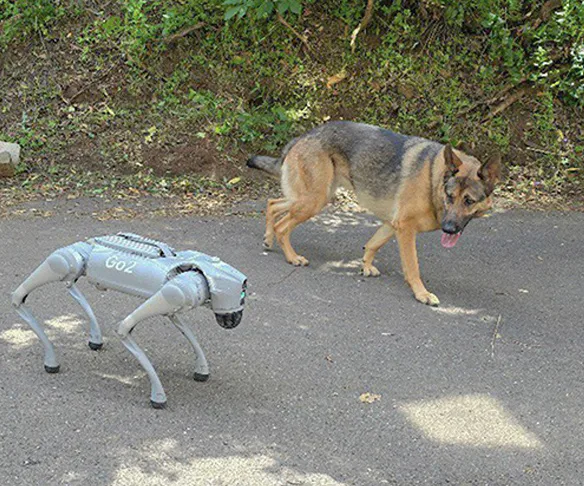
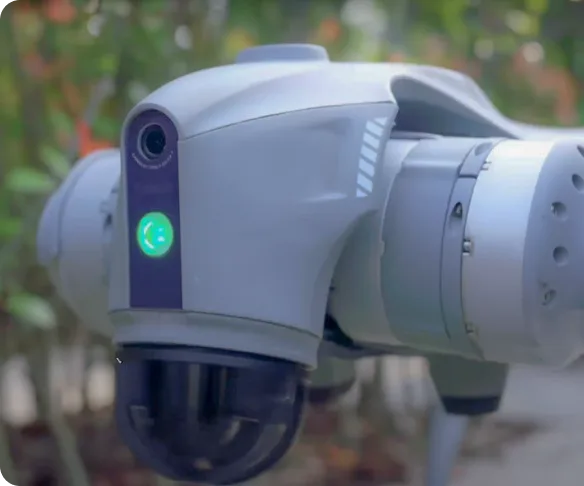
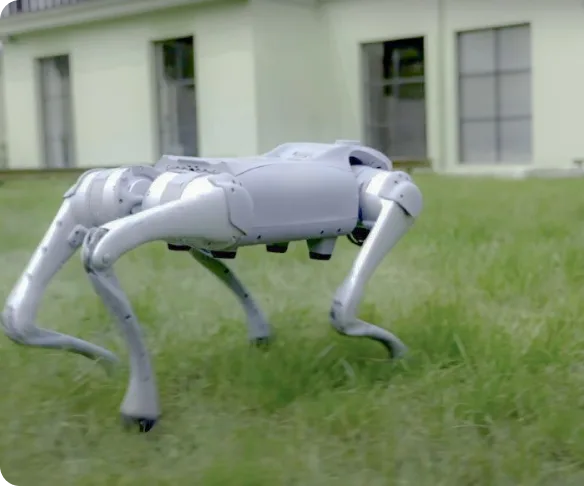
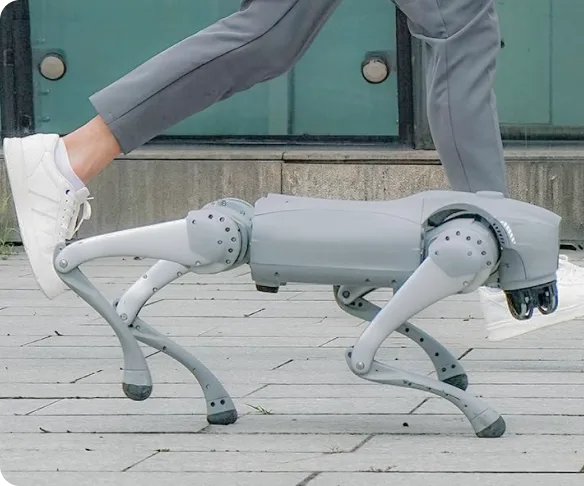
Not every security robot needs to look like a dog. But the quadruped form factor keeps winning attention because it solves a real physical problem: movement across unpredictable terrain.
A wheeled indoor patrol bot works well in clean, controlled corridors. But security environments are often not like that. Real patrol zones include ramps, curbs, loading docks, outdoor pathways, gravel, stairs, uneven pavement, fenced access points, and dark service routes.
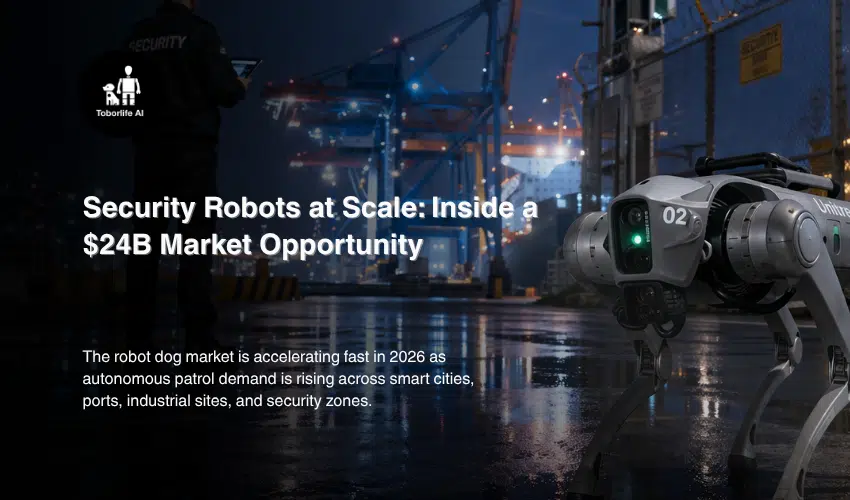
That is where the Unitree robot dog starts to look less experimental and more operational.
Quadrupeds are increasingly attractive for:
- industrial and warehouse patrols
- utility and energy site inspection
- port and maritime perimeter coverage
This is not just about mobility. It is about operational reach. Security teams need machines that can move through the same physical world their staff already works in.
That changes the buying logic fast.
Smart Cities Are Creating a Bigger Demand Layer
One of the clearest reasons this market is expanding is the rise of smart city infrastructure.
Cities are adding more connected systems, more sensor layers, more remote oversight tools, and more pressure on public safety operations. That naturally creates a demand for robotics that can extend visibility without requiring a human presence everywhere at once.
Security robots are becoming useful in areas like:
- transit-adjacent patrol zones
- public infrastructure corridors
- parking and access monitoring
- event and venue security support
And because cities operate across mixed terrain, quadrupeds and wheel-leg robots are becoming easier to justify than fixed or single-environment machines.
This is where robotics starts to fit into a broader urban operating system.
Not as a novelty. As infrastructure.
Maritime Security Is Becoming a Quiet Growth Driver
Another angle getting more attention in 2026 is maritime and waterfront security.
Ports, coastal logistics hubs, shipyards, and industrial waterfront facilities all have one thing in common: they are hard to monitor efficiently. These environments are large, exposed, and often active around the clock. They also include uneven surfaces, wet conditions, and areas where repeat patrols are difficult to scale.
That is exactly the kind of environment where mobile autonomous patrol units have started to make sense.
A security robot in this setting can support:
- perimeter route patrols
- dockside anomaly checks
- after-hours site monitoring
- sensor-based visual inspection
This is one reason the security robot market is being taken more seriously now. The use cases are no longer narrow. They are expanding into environments where labor, safety, and continuous coverage all intersect.
That is a much more durable demand story.

Comments are closed for this post.