From Text-Based AI to Persistent Digital Companions
For years, artificial intelligence lived inside text boxes. Users typed prompts, received responses, and the interaction ended there. That interaction model is now fading quickly.
By 2026, daily AI use is expected to move toward fully multimodal systems. Voice will become the primary interface, memory will persist across interactions, and contextual understanding will extend across days and tasks. These systems will no longer reset after each command. Instead, they will remember user preferences, adapt their tone, and anticipate needs based on prior interactions.
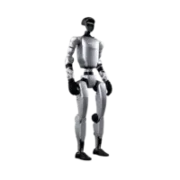
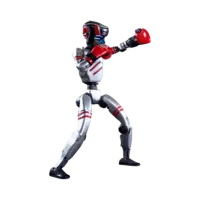
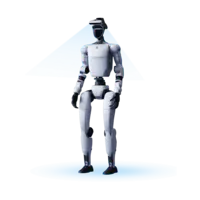
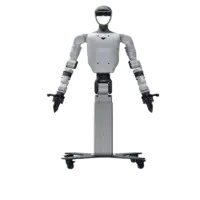
This evolution fundamentally changes how humans engage with machines, and it also reshapes robotics. At Toborlife AI, this shift marks a critical transition point. Robots are no longer viewed as controlled tools. They are becoming interactive systems capable of responding naturally to voice, movement, and environmental cues.
Why Humanoid Robotics Is Accelerating Right Now
Humanoid robots have existed for decades, but feasibility has finally caught up with ambition.
Three major forces are converging. Advances in edge AI now allow real-time perception and motion control. Hardware costs have dropped while reliability has increased. Software models have matured enough to reason, plan, and correct actions dynamically.
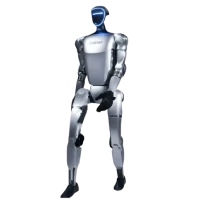
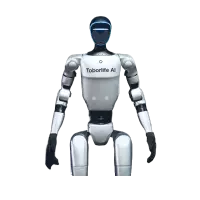
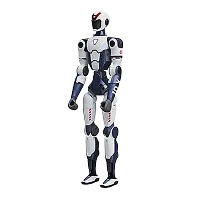
Industry leaders believe humanoid robots will soon operate autonomously for extended periods inside real environments, including homes, warehouses, and offices. This development does not replace other robot forms. Instead, it expands the overall robotics ecosystem.
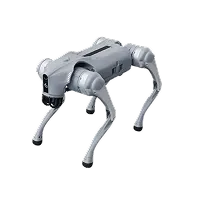
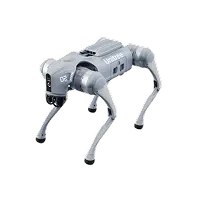
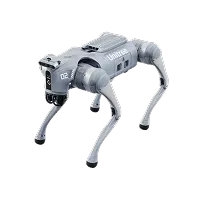
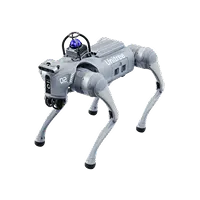
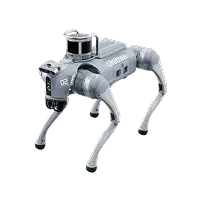
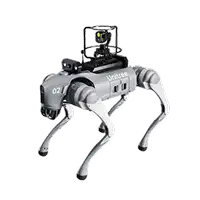
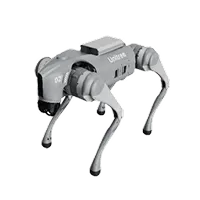
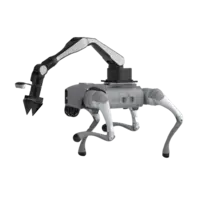
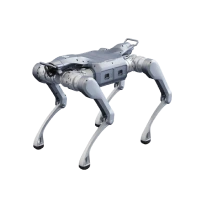
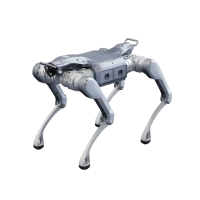
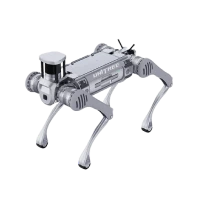
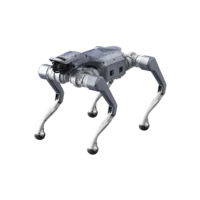
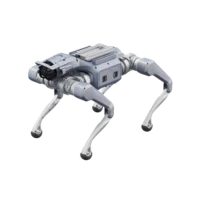
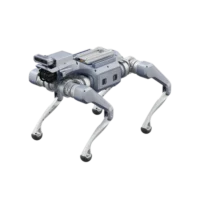
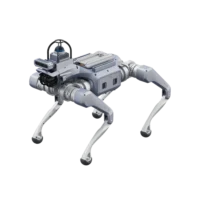
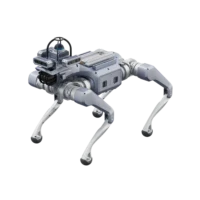
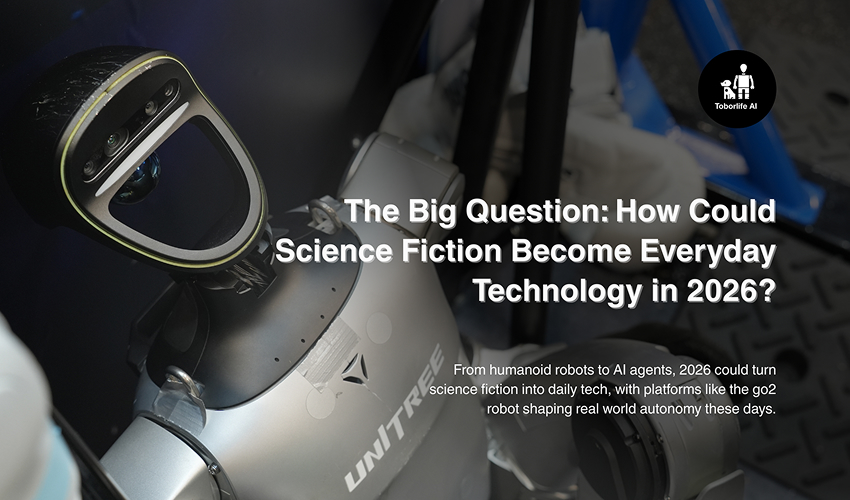
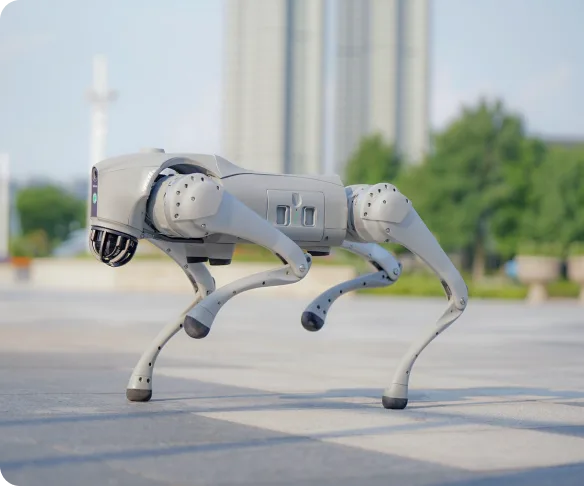
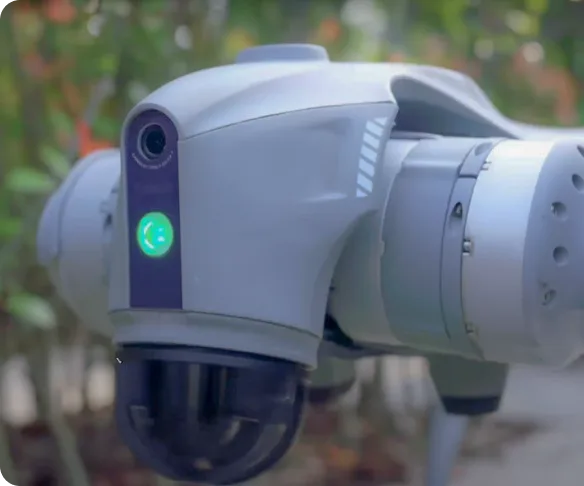
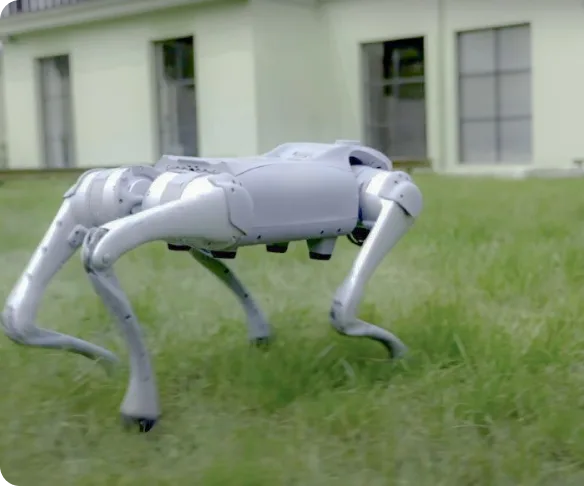
Quadruped platforms continue to dominate outdoor mobility and inspection use cases. That is where systems like the go2 robot play a critical role by offering reliable movement in environments humanoids cannot yet navigate efficiently.
Mobility as the Foundation of Real Autonomy
Autonomy depends on movement. A robot that cannot move reliably cannot deliver value, regardless of how advanced its intelligence may be.
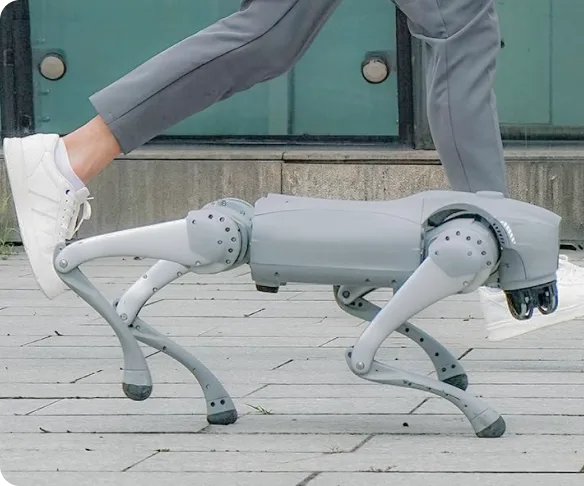
Mobility defines reach, coverage, and operational safety. While humanoid robots often capture public attention, quadruped robots quietly solve some of the most difficult challenges in robotics. Uneven terrain, stairs, outdoor weather, and confined spaces all demand stable and adaptive locomotion.
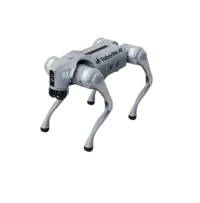
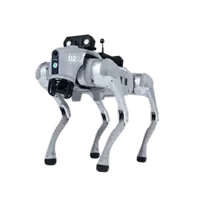
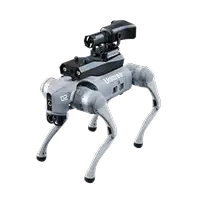
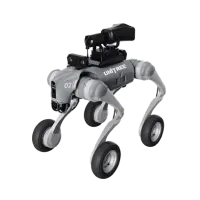
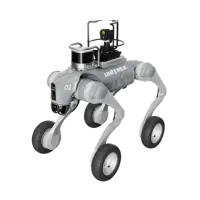
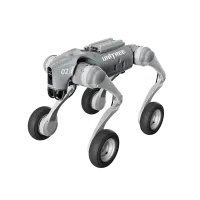
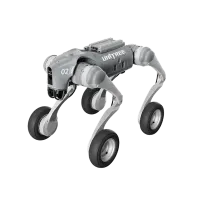
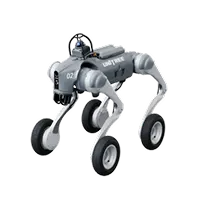
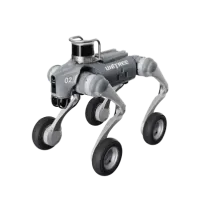
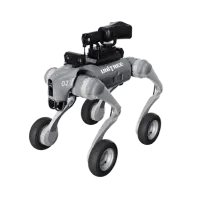
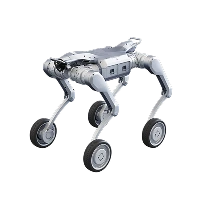
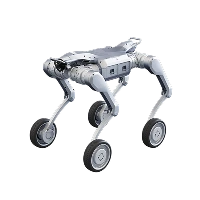
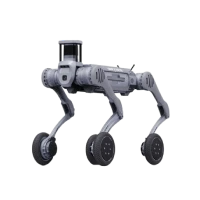
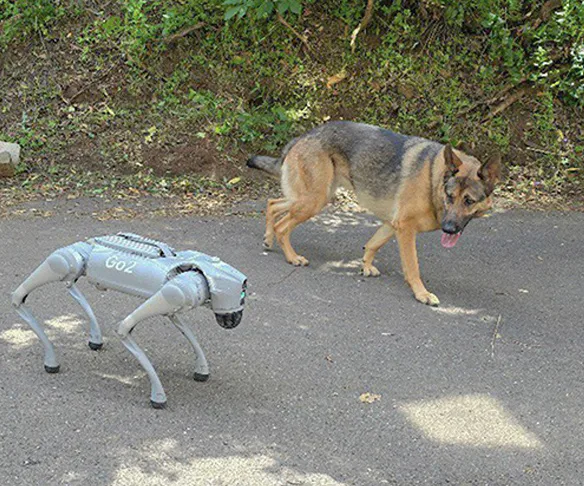
The unitree go2 w represents this class of robots that prioritize mobility above all else. With stable gait control, fast response times, and strong terrain adaptability, these platforms serve as the physical foundation for AI systems. They carry sensors, collect data, and function as mobile perception units.
At Toborlife AI, mobility performance is evaluated before any other capability because it determines how well a robot performs in real environments.
Multimodal AI Meets Physical Robotics
The next phase of robotics extends beyond physical design. Intelligence layered on motion defines the new standard.
Multimodal AI allows robots to combine visual input, audio signals, spatial awareness, and language understanding into a unified decision system. This creates richer situational awareness and more fluid interaction.
A robot can detect an obstacle, hear a command, recall a previous route, and adjust its behavior instantly. Science fiction comparisons begin to feel accurate here, not because robots resemble humans, but because they operate with continuity and contextual awareness.
Toborlife AI closely tracks platforms that support this integrated approach rather than isolated or limited capabilities.
eVTOLs and the Broader Autonomy Stack
The same AI trends driving robotics are reshaping aviation.
Electric vertical takeoff and landing aircraft are expected to complete key safety validation missions by 2026. These systems depend on autonomous navigation, sensor fusion, redundancy, and real-time decision-making.
This progress matters for robotics buyers because autonomy standards extend across industries. Safety frameworks, navigation reliability, and fail-safe logic developed for eVTOLs directly influence ground robotics. As these systems mature, the entire autonomous ecosystem becomes more robust.
This maturity benefits the robotics platforms available through toborlife.ai.
Where Quadruped Robots Fit Into the 2026 Vision
Not every task requires arms. Many require reliable movement.
Security patrols, industrial inspections, facility monitoring, and outdoor logistics all benefit from quadruped robots. These platforms deploy faster than humanoids, cost less to operate, and require fewer environmental modifications.
The unitree go2 fits squarely into this role as a flexible and scalable mobility platform. It bridges the gap between research prototypes and fully deployed systems.
At Toborlife AI, quadruped robots are positioned as long-term operational solutions rather than experimental devices.


Comments are closed for this post.