From Scripts to Intent: What Agentic AI Actually Changes
For years, robots followed fixed instructions. You programmed steps. The robot executed them. If something changes, the system broke or required manual updates.
Agentic AI changes that model.
Instead of telling a robot every step, you define an outcome. The robot interprets intent, breaks the task into actions, and adapts in real time. It behaves more like an operator than a machine.
This shift is powered by:
- language-based task understanding
- real-time perception loops
- decision-making layers running on edge computers
The result is a robot that can respond to context, not just commands.
That is a major unlock for physical environments.
Why OpenClaw Is Being Called a Turning Point
OpenClaw’s release is important because it connects language to action in a direct way.
Developers can describe tasks in natural language. The system maps those instructions into motion planning, control, and execution. This removes a large part of the complexity that slowed robotics adoption.
Before this, scaling robots meant scaling engineering efforts. Now, scaling can come from better task definition and data.
That is why this moment feels familiar.
In software, large language models made tools easier to use. In robotics, agentic AI is doing something similar. It reduces the barrier between intention and execution.
That is a big deal for teams trying to deploy robots outside controlled environments.
Physical AI Is Finally Getting Practical
Robotics has always had strong hardware. Mobility improved. Sensors improved. Computers improved.
What was missing was a flexible intelligence layer that could handle real-world variability.
Agentic AI starts to fill that gap.
It allows robots to:
- understand instructions in human terms
- adjust to changing environments
- complete multi-step tasks without constant reprogramming
This is especially relevant for inspection, logistics, and field operations where conditions change frequently.
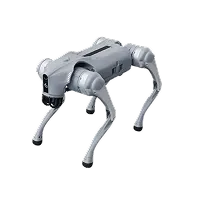
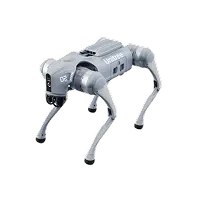
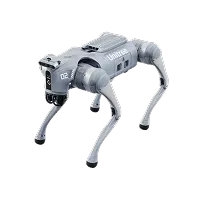
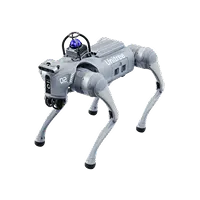
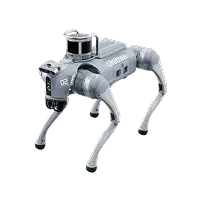
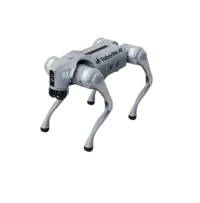
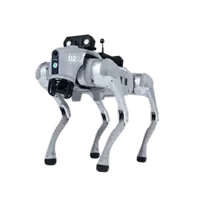
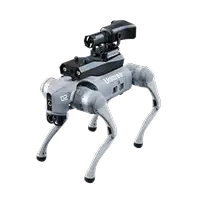
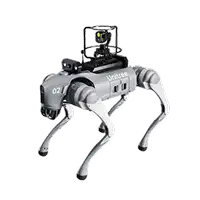
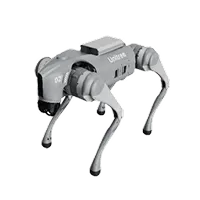
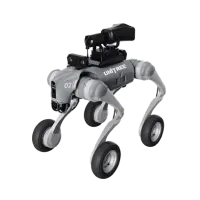
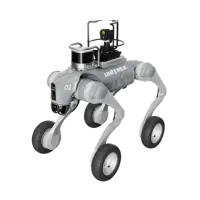
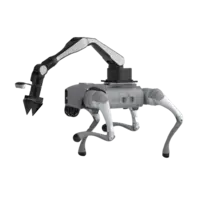
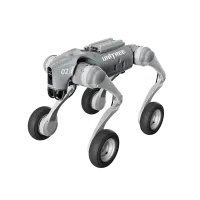
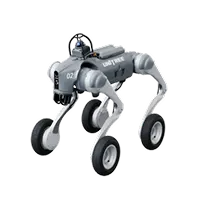
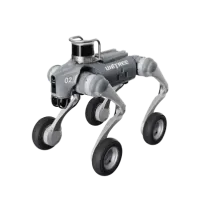
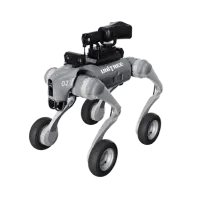
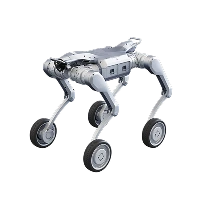
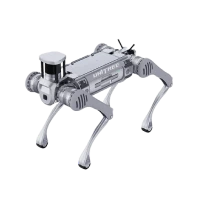
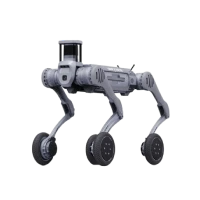
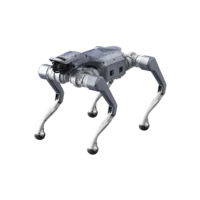
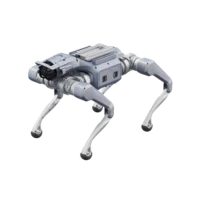
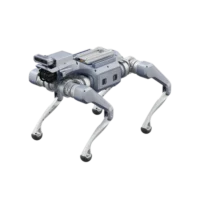
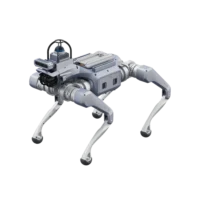
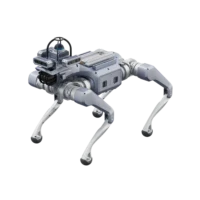
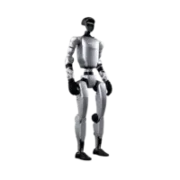
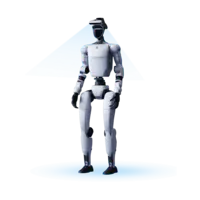
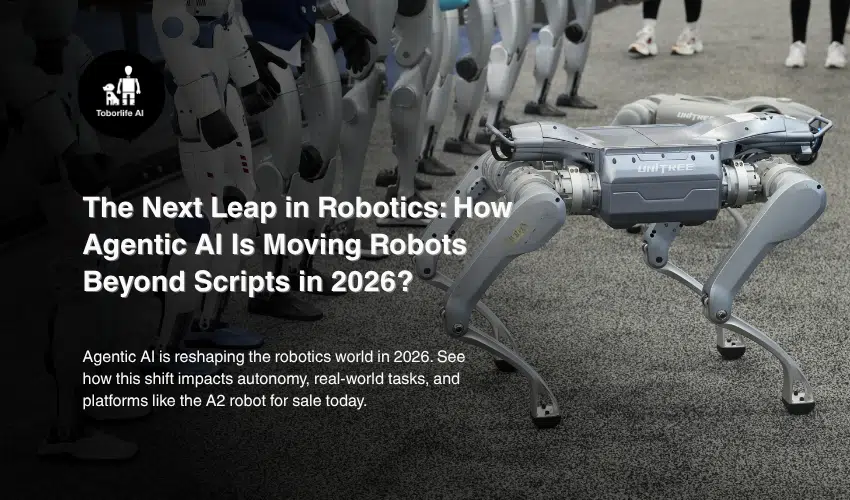
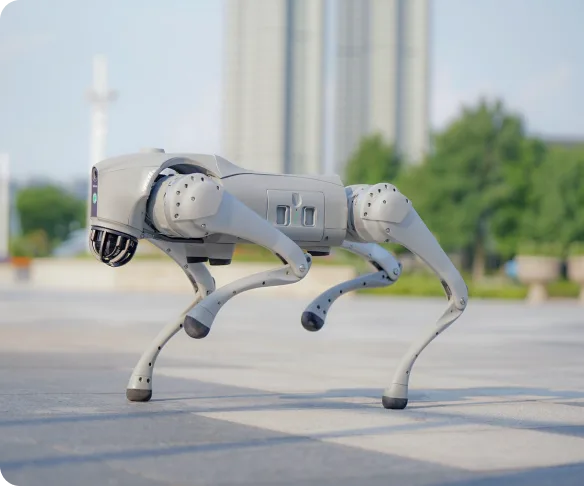
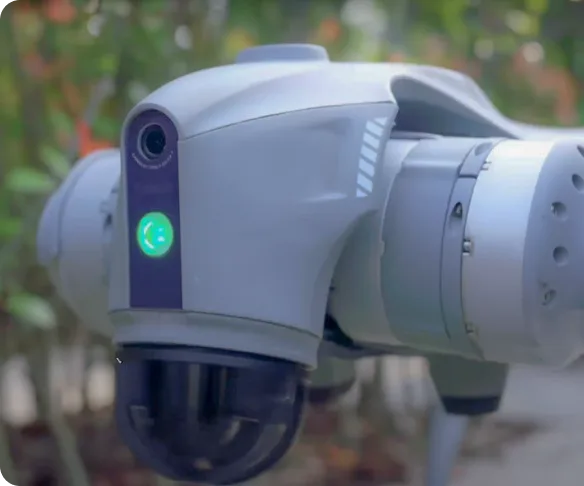
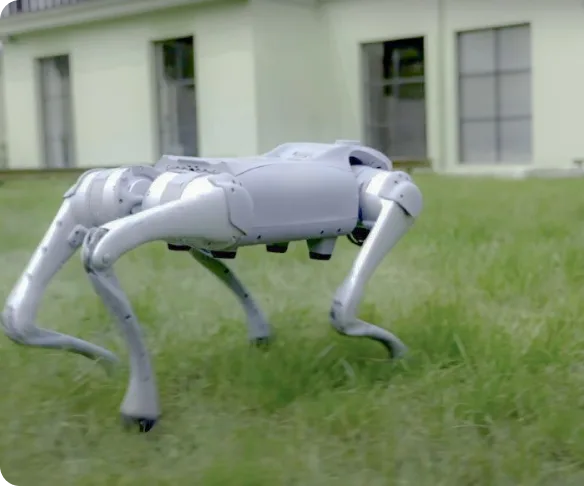
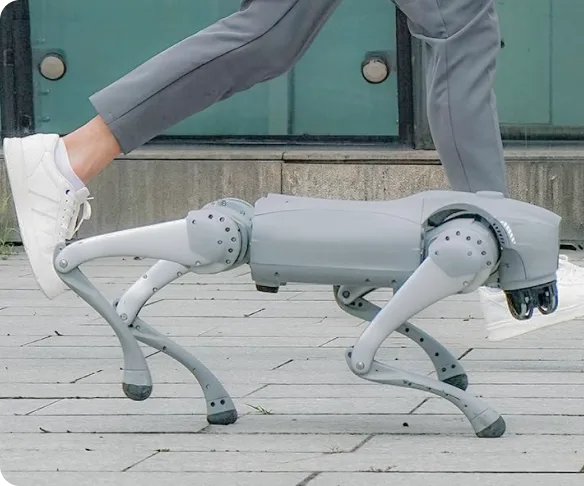
That is also why platforms like the A2 Stellar Hunter are gaining attention. These systems combine mobility with enough onboard computers to support more advanced autonomy layers.
The hardware is ready. Now the intelligence layer is catching up.
The New Stack: Mobility + Intelligence + Execution
The robotics stack in 2026 looks different from even a year ago.
It is no longer just about movement. It is about how movement connects with decision-making.
The emerging stack looks like this:
- mobility platform
- perception system
- agentic AI layer
- task execution loop
Each layer feeds into the next. Together, they allow robots to operate with less human intervention.
This is where things start to scale.
Because once a robot can interpret tasks and adapt on its own, the cost of deploying it across multiple environments drops.
That changes the economics of robotics.
How This Translates Into Real Operations
Agentic AI is not just a research concept. It has clear implications for real industries.
1. Inspection workflows become more autonomous
Robots can adjust inspection paths, respond to anomalies, and continue tasks without manual resets.
2. Training becomes faster
Instead of coding behavior, teams can describe tasks. This reduces setup time and makes iteration easier.
3. Multi-environment deployment improves
Robots can move between sites with less customization. The same system can adapt to different layouts and conditions.
This is where interest in buy A2 robot queries is increasing. Buyers are starting to think beyond hardware specs and focus on how quickly a robot can be deployed and trained.
That shift is important.
Turning Interest Into Real Deployment with Toborlife AI
As agentic robotics starts gaining traction, the focus is shifting from ideas to actual implementation. Teams are no longer just exploring concepts. They are actively looking for platforms they can test, compare, and deploy.
This is where Toborlife AI becomes part of the process.
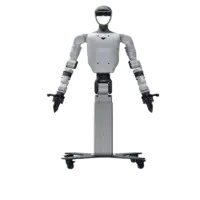
Instead of browsing theory-heavy content, you can explore real robot options, review configurations, and understand what fits your use case. The A2 lineup is a good place to start if you are evaluating mobility-driven robots for inspections or field work.
You can explore available A2 models directly on Toborlife AI and see how different variants compare based on your requirements. If you are planning a project or need guidance on selecting the right setup, reaching out through the contact page can help move things forward faster.
It keeps the transition simple from research to actual deployment planning.
What About Pricing and Accessibility?
One of the most common questions right now is around cost.
Search trends show growing interest in unitree a2 price, which reflects a broader shift. Buyers are no longer just curious. They are evaluating budgets and planning deployments.
As production scales and demand increases, pricing models are expected to evolve. More importantly, the value of these systems is no longer tied only to hardware.
It is tied to:
- how quickly they can be deployed
- how many tasks they can handle
- how much human labor they can reduce
That is where agentic AI adds real value.
Closing Thoughts: Let’s Start A New Phase for Robotics
Agentic AI is not just another feature layer. It represents a shift in how robots are used.
Instead of tools that require constant control, robots are starting to act as systems that can interpret, adapt, and execute.
That changes how teams think about automation.
It also changes how quickly robotics can scale across industries.
If 2025 was about proving what robots can do, 2026 is starting to look more like the year companies begin figuring out how to use them more practically. And as that shift continues, platforms and suppliers like Toborlife AI will become increasingly relevant for teams looking to explore real robot options, not just ideas.


Comments are closed for this post.