The Real Issue: Transparency in a Rapidly Scaling Industry
The rise of accessible robotics platforms has democratized innovation. Today, a Go2 robot can be purchased, deployed, and integrated into research or commercial environments without building hardware from scratch. This accessibility is a strength—but it also introduces ambiguity.
In the reported case, the issue was not the robot itself, but the claim of authorship. As robotics systems become more modular and globally distributed, distinguishing between original development and applied usage becomes essential.
For organizations exploring robotics adoption, this raises a simple but critical question:
Do you know exactly what you’re deploying—and where it comes from?
Why the Unitree Go2 Became a Global Reference Point
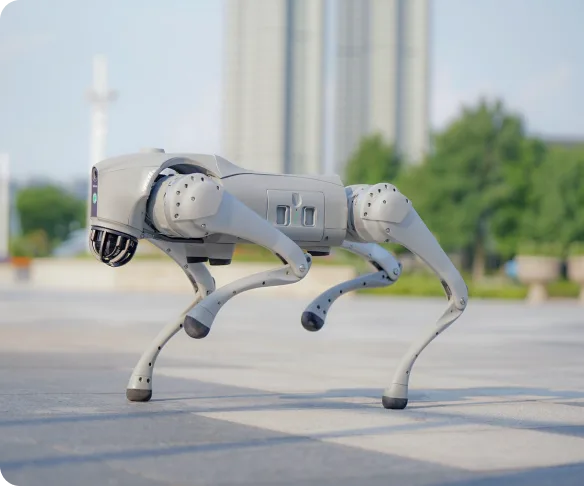
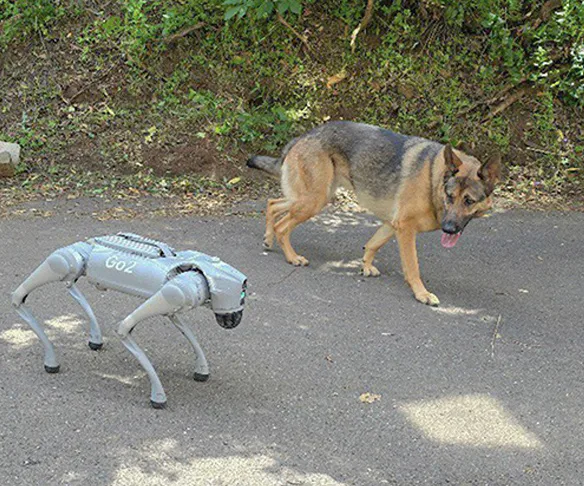
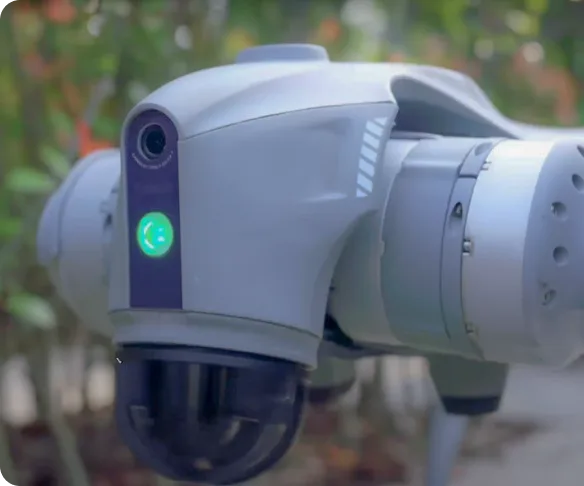
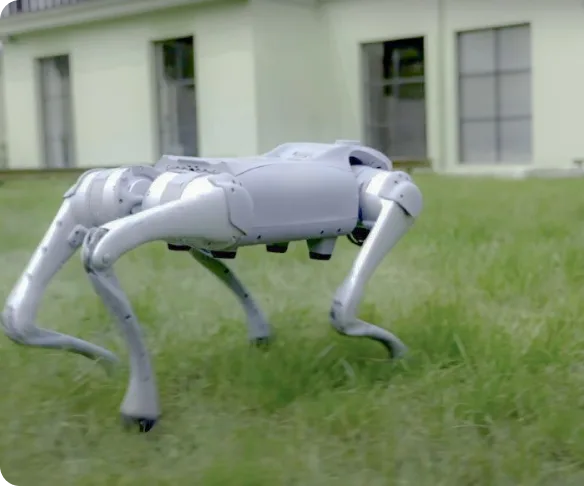
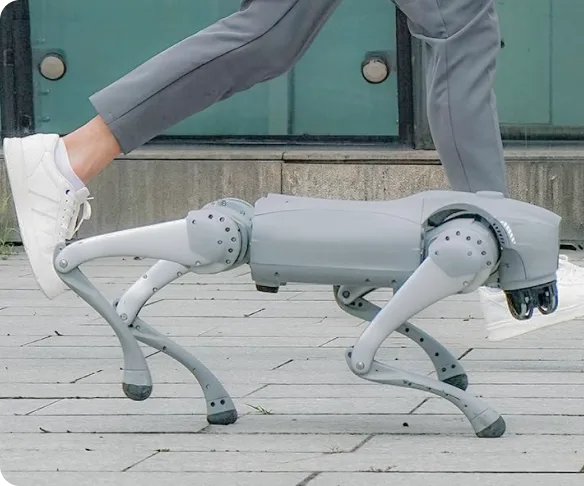
The Unitree Go2 platform has become one of the most recognizable quadruped robots in the world. Its combination of mobility, onboard intelligence, and relatively accessible pricing has made it a common entry point for universities, developers, and enterprises.
Variants such as the unitree go2 w further expand its capabilities, offering enhanced adaptability for different terrains and use cases. These systems are not experimental prototypes—they are real, deployable machines being used across industries.
This widespread adoption is precisely why clarity matters. When a platform becomes a global standard, its identity—and the transparency around its use—becomes part of the broader industry infrastructure.
From Demonstration to Deployment
What distinguishes today’s robotics landscape is the shift from demonstration to deployment. A few years ago, quadruped robots were primarily seen in controlled demos or research labs. Today, they are being used in:
- facility inspection
- security monitoring
- data collection across large environments
This transition is driven by improvements in perception systems, locomotion stability, and onboard computing. The same technologies that allow a robot to perform complex movements also enable it to operate reliably in real-world settings.
In this context, a Go2 robot is not just a piece of hardware—it is a mobile sensing platform capable of integrating into operational workflows.
The Importance of Verified Access
As robotics adoption expands, access channels become just as important as the technology itself. Not all buyers have the expertise to evaluate hardware authenticity, configuration differences, or long-term support considerations.
This is where platforms like Toborlife AI play a role—not as manufacturers, but as access points that prioritize clarity and alignment with real-world use cases.
For example, the Homedog Pro reflects how these systems are being positioned for broader adoption. It combines advanced mobility with integrated perception, making it suitable for environments that require both movement and awareness. Rather than presenting robotics as abstract innovation, this approach frames it as something tangible—something that can be evaluated, tested, and deployed with a clear understanding of its origin and capabilities.
What This Means for US Buyers and Operators
For organizations in the United States, the implications are practical rather than political. The robotics market is becoming increasingly global, with hardware, software, and integration often spanning multiple regions.
This makes transparency a key factor in decision-making. Whether you are evaluating a unitree go2, exploring alternatives, or considering deployment at scale, understanding the full context of a system—its source, capabilities, and limitations—is essential.
In many ways, this mirrors earlier phases of the software industry, where open-source, proprietary systems, and third-party integrations created similar questions around ownership and responsibility.

Comments are closed for this post.