Real Deployment Still Needs Onboarding
The most important part of the Robot.com story is not just that R-noid exists.
It is how the company plans to deploy it.
Business Insider reported that Robot.com expects an eight- to 12-week deployment process. That process includes visiting the customer’s facility, identifying automatable tasks, collecting robot data, and fine-tuning the model before deployment. Some tasks may require around 50 hours of data collection, depending on complexity.
That is the grounded reality of robotics in 2026.
Humanoids are becoming more capable, but they are not plug-and-play workers for every environment. They need task definition, operational setup, training, and support.
That is not a weakness.
It is the path to useful robotics.
Human-in-the-Loop Systems Are the Bridge
The next major wave of commercial humanoid adoption will certainly not achieve 100% standalone autonomy overnight. Instead, the near-term future of the industry relies heavily on supervised, human-in-the-loop architecture.
Industry reports indicate that operators expect roughly 70% mechanical autonomy during initial deployment phases, with remote teleoperation and technical support desks playing a vital role in day-to-day rollout success. This realistic detail is incredibly important for institutional buyers to understand.
A successful robotics integration plan must assume a hybrid human-in-the-loop model at the start, where human operators actively guide the system, manage edge-case exceptions, or leverage remote support structures while the machine learning models improve over time. This balanced approach applies perfectly across food service, logistics, events, university labs, and customer experience spaces. Humanoid platforms are not valuable because they are completely flawless today; they are valuable because they allow your organization to start learning and capturing data right now.
Why Schools, Studios, and Labs Are Watching
The workplace humanoid trend also matters outside traditional business operations.
Schools are watching because humanoids make AI education more physical.
Studios are watching because robots create repeatable content moments.
Universities are watching because humanoids support robotics research, programming, motion control, and human-robot interaction.
Event teams are watching because robots still create a level of attention most technology displays cannot match.
That is why searches around hire robots for events are becoming part of a larger robotics trend. The same machine that attracts a crowd at a conference may also support training, education, and internal innovation after the event ends.
That crossover is what makes the category interesting.
Humanoids are becoming flexible technology assets, not just single-use attractions.
Where Toborlife AI Fits Into the Trend
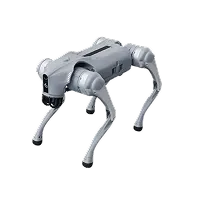
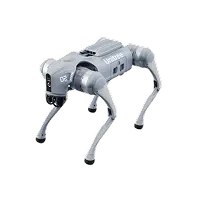
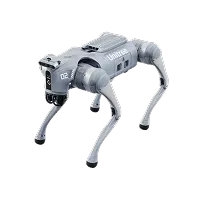
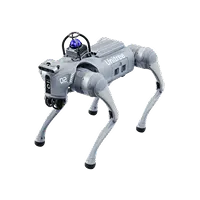
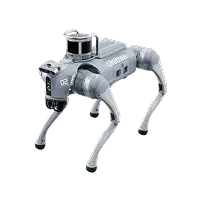
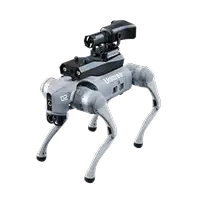
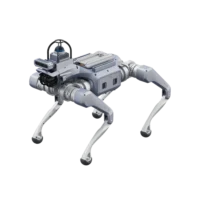
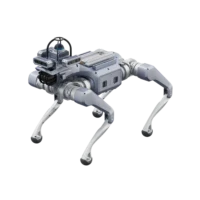
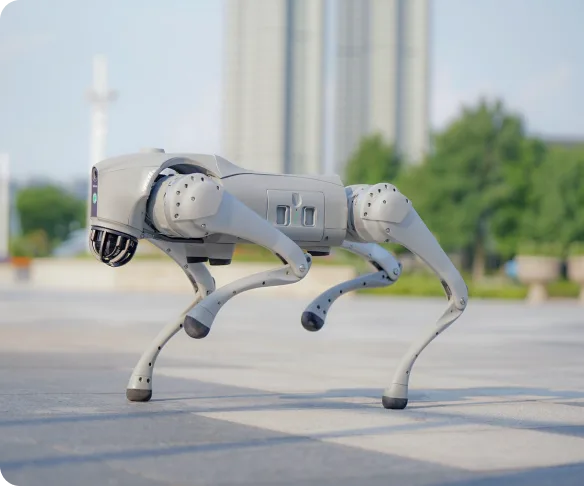
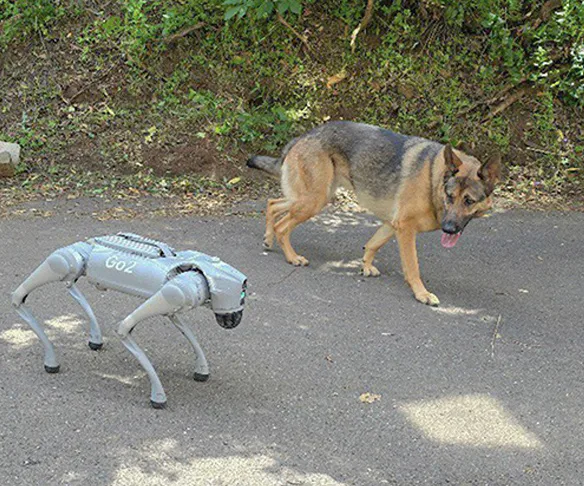
Toborlife AI gives professional U.S. buyers a clear, structured path to explore and acquire world-class humanoid and robotic dog platforms for events, education, research, and corporate innovation.
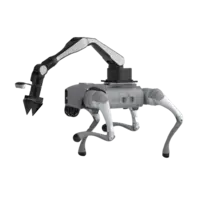
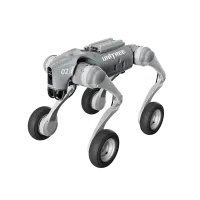
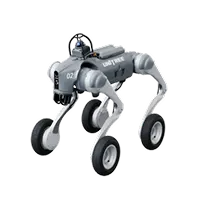
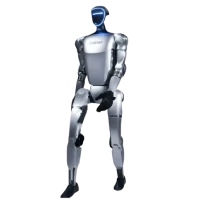
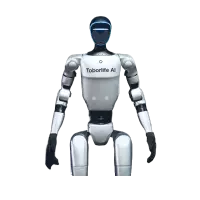
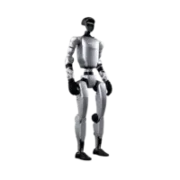
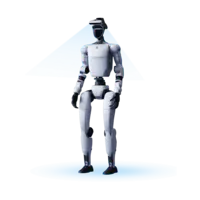
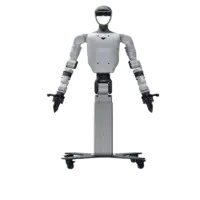
For teams looking for an approachable humanoid entry point, R1 Edu Smart can support early exploration, education, and public-facing demos. Buyers who want a stronger humanoid platform for advanced demonstrations or robotics development can explore options such as G1 Edu Pro B, G1 Edu Pro F, and G1-D models. Larger humanoid buyers can also look at H2 as the category continues moving forward.
That variety matters.
A corporate event team does not need the same robot as a university lab. A school does not need the same configuration as a developer team. A studio may care about visual impact, while a research program may care more about programmability and long-term testing.
The right robot depends on the use case.
Why This Trend Matters in 2026
Humanoid robots are being actively pulled into practical, real-world commercial environments long before total machine autonomy is completely solved by computer scientists. While this rapid deployment timeline may sound surprising to outside observers, it is exactly how almost all transformational technologies scale up throughout history.
First, the hardware creates immense public attention; next, it supports tightly controlled, heavily supervised use cases; then, it matures into a repeatable business tool; and finally, it integrates deeply into core operational systems. This is precisely the transitional frontier that workplace humanoids are successfully crossing right now.
They are not stepping onto commercial floors to instantly replace every human worker. Instead, they are empowering forward-thinking businesses, schools, and event organizers to accurately understand what physical AI can actually achieve in front of a live audience today.
Final Take: Humanoids Are Becoming Business Media
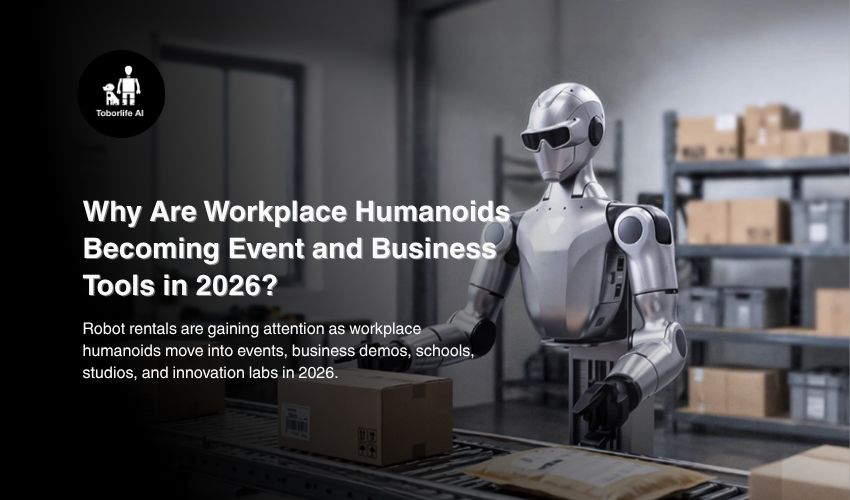
Workplace humanoids are becoming event and business tools because they sit at the intersection of automation, education, marketing, and public curiosity.
They can support operations.
They can teach robotics.
They can create audience engagement.
They can help companies explore physical AI without waiting for the entire industry to reach full autonomy.
That is why this trend is accelerating in 2026.
Humanoids are no longer only future-facing machines. They are becoming business media, training platforms, research tools, and public technology experiences.
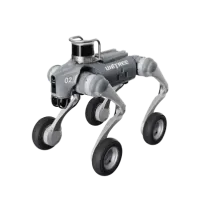
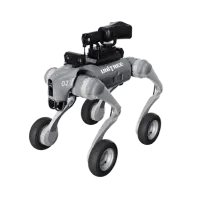
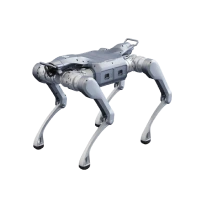
For organizations ready to explore humanoid robots for events, schools, studios, research, or innovation labs, visit Toborlife AI to browse Unitree-powered robots, or connect with the team through the Toborlife AI contact page for guidance on the right platform for your use case.


Comments are closed for this post.