Why Language Matters in Robotics (More Than Ever)
Voice is power in hospitality.
Think about the first impression you get at a front desk. A humanoid robot, standing upright with natural facial expressions and tone-accurate speech, delivers that moment with consistency—24/7.
No delays. No accents. No training period.
The Realbotix model does more than recite preprogrammed lines. It integrates with major AI platforms to translate, adapt, and respond in real time, creating what some hotel chains are calling “human-lite interaction.”
It supports American Sign Language too. This is serious accessibility tech.
Now, imagine pairing that same capability with Toborlife’s patrol-grade robots. A parking lot security robot that warns in Spanish, confirms guest IDs in French, and reports in English autonomously.
That’s not just a language upgrade; rather it’s a whole new kind of guest assurance.
Robots That Greet, Guide, and Remember
Hospitality is about how welcomed and understood a guest feels from the moment they arrive. That’s why multilingual humanoid robots like those from Realbotix are gaining traction in hotels, theme parks, and cultural venues.
Their features go beyond novelty and tap into what real-world users actually need.
Live Multilingual Conversations
These androids aren’t just reading scripts, they’re capable of fluid conversation in 15 different languages including English, Spanish, Mandarin, French, and more. Using AI-powered natural language processing, they interpret questions in real time and provide responses that sound natural and human-like.
This is key for international guests who expect service in their native language. It eliminates misunderstandings and helps create a seamless check-in or inquiry experience.
Facial Tracking and Emotion Recognition
These robots are built with cameras and sensors that detect facial expressions and subtle emotional cues. That means they can tell if a guest is frustrated, confused, or happy and respond accordingly.
For example, if someone appears lost, the robot can proactively ask if they need help. If someone smiles, it can mirror the emotion to build rapport. This kind of adaptive interaction enhances comfort and builds a more humanized connection between guests and machines.
Each robot can be programmed to understand and interact with a property’s specific layout, amenities, and service offerings. Ask where the pool is, and it will tell you and even show you the way.
Need information on dining hours, Wi-Fi access, or room service options? It’s all in the robot’s database, fully synced with the hotel’s management system.
The robot becomes a real-time, voice-activated concierge that never forgets details and never needs a break.
Use in Public Attractions
Beyond hotels, these robots are already being piloted in busy environments like museums and theme parks. They can give multilingual tours, provide information about exhibits, or help visitors find restrooms and exits.
Their ability to adapt to crowds and environments makes them an ideal fit for high-traffic spaces where clear communication is critical.
Where Toborlife Robots Outpace the Rest
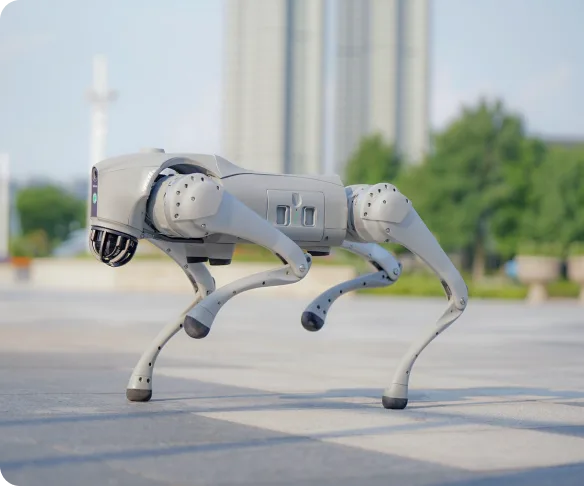
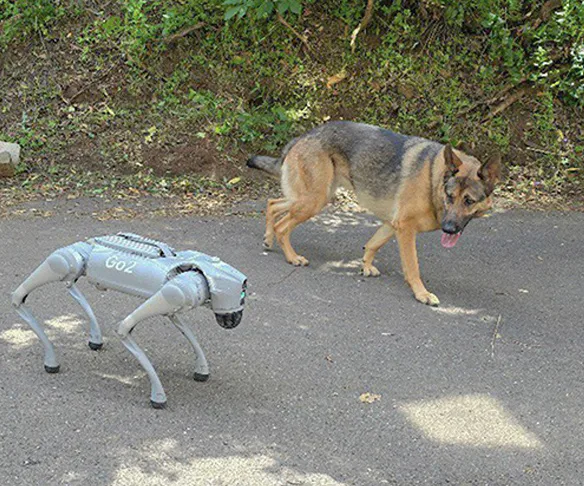
Toborlife’s robots are built for full-spectrum situational awareness. From intelligent threat detection to active response, our autonomous security platform delivers advanced features that go far beyond basic hospitality functions.
When integrated into hotel or commercial grounds, our robots deliver not only functional security but also culturally aware interaction. If your guests speak Mandarin or Arabic, so do we.
If intruders try to test boundaries, we don’t hesitate to respond in any language needed.
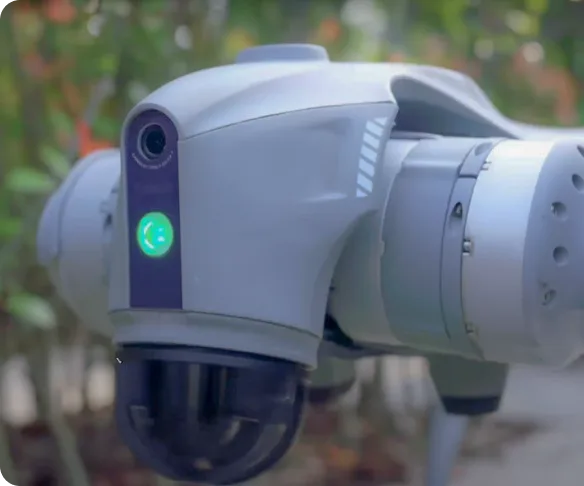
- Real-time surveillance with low-light vision
Maintain visibility even in dimly lit parking lots or service corridors, ensuring safety after hours.
- License plate recognition across multiple languages
Scan and log international plates accurately for guest management and access control.
- Cloud voice engine support for multilingual alerts
Deliver safety instructions, deterrent commands, or assistance prompts in the guest’s native language.
- Perimeter routing for parking structures, event gates, and back entrances
Patrol designated zones with GPS-guided precision, reducing blind spots and security gaps.
- Two-way communication with staff or emergency responders
Enables real-time voice or text interaction between on-site personnel and the robot, improving incident response times and coordination.


Comments are closed for this post.